

Mars cuts brand campaign creation from months to weeks
Mars moved One Demand AI, its agentic system for brand campaigns, onto Google's Gemini platform, where agents turn market research into briefs grounded in brand guidelines.
MarsUnited States (Global workforce across the Petcare, Snacking, and Food & Nutrition segments)Consumer productsIn production
- Scenario
- Brand campaign brief creation with AI agents
- Business function
- Sales and marketing
- Kind of solution
- Agentic process automation
- Who built it
- Built with a partner (Google Cloud and Accenture)
- Where it runs
- Public cloud
- Human oversight
- People approve each output
- Organization
- Enterprise, 100,000 employees or more
- AI types
- Generative AI, Agentic AI
tl;drMars's campaign brief agents cut the campaign workflow from months to weeks.See the results
Mars uses One Demand AI (ODAI), an agentic system on Google’s Gemini platform, to turn market research into brand campaign briefs1. Its brand intelligence and campaign brief agents synthesize research and trends data, draft briefs grounded in Mars brand guidelines, and route them for approval1.
In April 2026, at Google Cloud Next ‘26, Mars designated Gemini Enterprise as the primary AI operating system for its global workforce2, 5. Moving ODAI onto the platform was the first step, and by November 2026 the campaign workflow had gone from months to weeks1.
Before the deployment
Mars is a $65 billion family-owned business with more than 170,000 associates, and its brands include M&M’S, Royal Canin, and Ben’s Original1. Its marketing and brand teams built campaigns through a highly manual process1:
- Agencies and email: The process typically involved multiple external agencies and fragmented, email-heavy workflows1.
- Time: Orchestrating the campaign workflow took months1.
- Data: Decades of institutional knowledge sat in disconnected data and legacy systems1.
- Pace: Fragmented, manual processes made it hard to keep up with evolving trends and consumer demand1.
- Operating model: Mars is highly federated and decentralized, so AI services had to be open to everyone and still fit each business unit1.
What was built
ODAI is an agentic system that Mars built with Google Cloud and Accenture1. It acts as a front door that gives associates access to specialized agents for complex, multi-step work processes1. Mars moved ODAI to the Gemini platform as the first spoke of a hub-and-spoke architecture, in which each business function builds its own agents under central control1.
- Brand intelligence agent: Synthesizes market research and trends data into insights for a campaign1.
- Campaign brief agent: Generates the brief, grounded in Mars brand guidelines, and routes it for approvals1.
- Mars teams: Use the agents to generate creative briefs and preliminary brand assets, and hand external agency partners a data-driven foundation for global campaigns2.
- Technology teams: Track every agent built across Mars in Agent Registry and Agent Observability1.
“I don’t need to outsource or hire extra help to actually build out the entire pipeline. Google takes care of that through the Gemini platform managed service.”
Rollout
Beyond the campaign agents, Mars is launching an innovation agent that identifies popular flavor trends and an ecommerce agent that recommends demand and pricing for sales on online shopping platforms1. The wider Gemini Enterprise rollout across Mars continues through 20262, 4.
Technology and architecture
Gemini Enterprise gives Mars the tools to build, scale, govern, and optimize fleets of agents, and ODAI runs on it1. It sits within Mars IQ, Mars’s own modular AI platform, as a common layer for company knowledge and task-specific agents2, 3. Agent Registry is a catalog in which an organization registers, discovers, and governs agentic components such as agents and tools6.
| Layer | What they used | Role | Source |
|---|---|---|---|
| Solution platform | One Demand AI (ODAI) | Front door through which associates reach the specialized campaign agents | 1, 2 |
| Task agent | Brand intelligence agent | Synthesizes market research and trends data into insights | 1 |
| Task agent | Campaign brief agent | Generates briefs grounded in Mars brand guidelines and routes them for approval | 1 |
| Agent orchestration | Gemini Enterprise | Platform that runs ODAI and governs Mars’s agents in one control plane | 1, 2, 3 |
| Model hosting | Model Garden | Offers over 200 enterprise-ready models for teams to choose from | 1 |
| Audit trail | Agent Registry | Catalogs every agent built across Mars so technology teams can track it | 1, 6 |
| Monitoring | Agent Observability | Lets technology teams watch the agents in use | 1 |
Data inputs
- Market research and trends data: The brand intelligence agent synthesizes it into insights1.
- Mars brand guidelines: The campaign brief agent grounds each brief in them1.
Results
In November 2026, the customer story on Mars gave two accounts of how much faster campaign creation runs with the ODAI agents1.
| Metric | Before | After | Scope and timeframe | Reported by |
|---|---|---|---|---|
| Campaign workflow time | Months | Weeks | Brand campaign workflow, November 2026 | Shubham Mehrish, Mars, via Google Cloud, estimate1 |
| Campaign creation timelines | Months | Days | Global campaign creation, November 2026 | Google Cloud, estimate1 |
- Campaign workflow time: Shubham Mehrish, Mars’s chief AI and technology officer, describes the time to orchestrate the campaign workflow as going from months to weeks1.
- Campaign creation timelines: The summary at the top of Google Cloud’s story puts global campaign creation at months to days1.
- Associates reached: Google Cloud counts 62,000+ associates with agentic capabilities, and the initial rollout of the Gemini app covered 60,000 associates1.
Lessons learned
The governed common layer is the design choice behind the rollout. Mehrish names governing associates’ own agents in one control plane as decisive, and IT Brief US ties that emphasis to wider concern among large companies about disconnected AI tools and fragmented data access1, 3.
The two time figures disagree. Mehrish, speaking for Mars, says weeks, while Google Cloud’s summary of the same story says days1. Mars’s own words are the more conservative figure.
The agents don’t take people out of the campaign. Each brief still waits for approval, and external agency partners still build the global campaigns from what Mars teams give them1, 2.
Marketing led the early use. In April 2026, associates were beginning to use the platform for creative briefs and preliminary brand assets, and Mars expected sales and R&D use cases to follow4.
Access alone doesn’t make associates ready. Mehrish doesn’t expect every associate to learn AI on their own time, so Mars treats delivering the tooling as part of their education1.
The results are Mars’s and Google Cloud’s own, from Google Cloud’s customer story1. The trade coverage relayed the April 2026 announcement3, 4.
Case study scorecard
- months to weeks Time to orchestrate the campaign creation workflow1
- months to days Global campaign creation timelines1
Sources by publication date
- Vendors and partners 4
- Press, academic, and regulators 2
Build this solution yourself
Analysis
What you need
- An agent system to build on: Mars migrated ODAI, built with Google Cloud and Accenture, instead of starting the campaign agents from nothing1. Check that you have a working agent system or a partner who can build one.
- Brand guidelines an agent can read: Each brief is grounded in Mars brand guidelines, so you need guidelines that are current and in a form the agent can use1.
- Research data within reach: The brand intelligence agent starts from market research and trends data, so that data must be accessible to it1.
- An approval route: Every brief goes for approvals before agencies build on it, so you need named approvers in the workflow1, 2.
Reference architecture
Agentic process automation
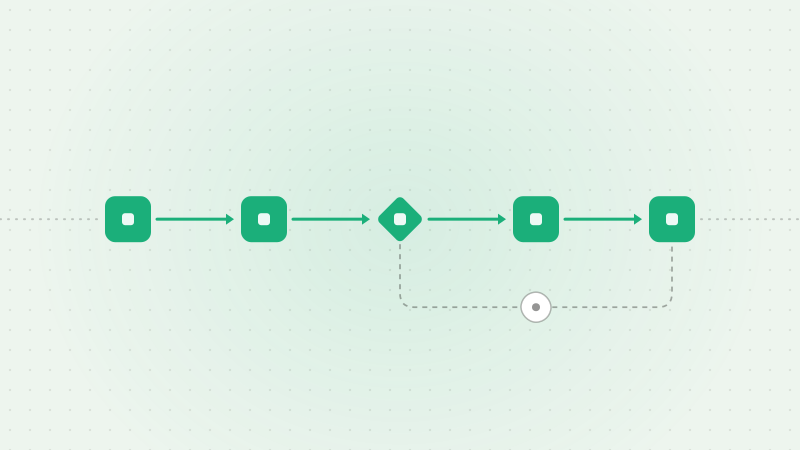
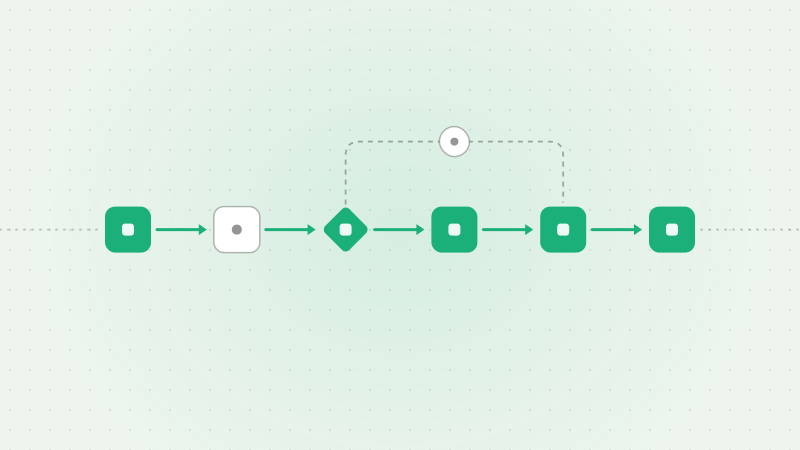
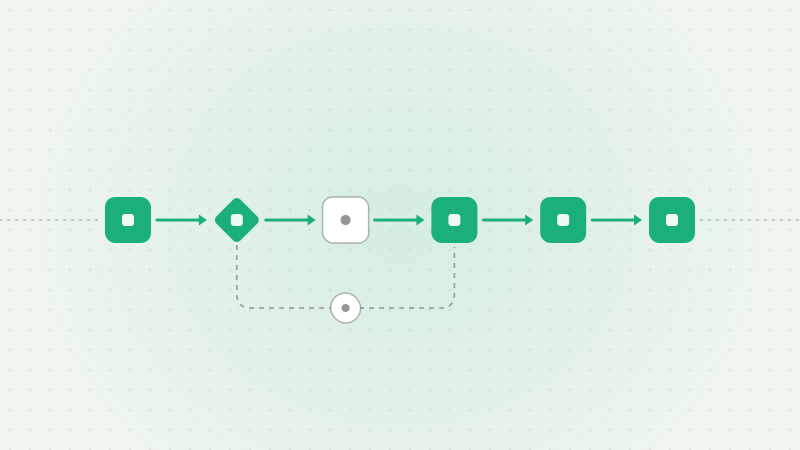
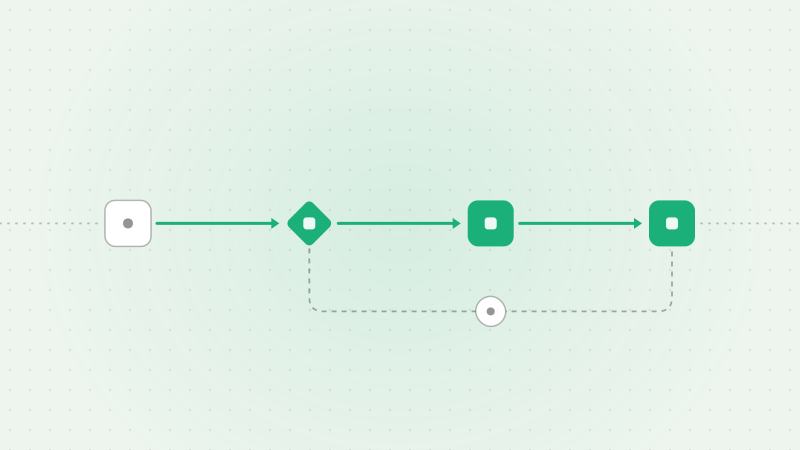
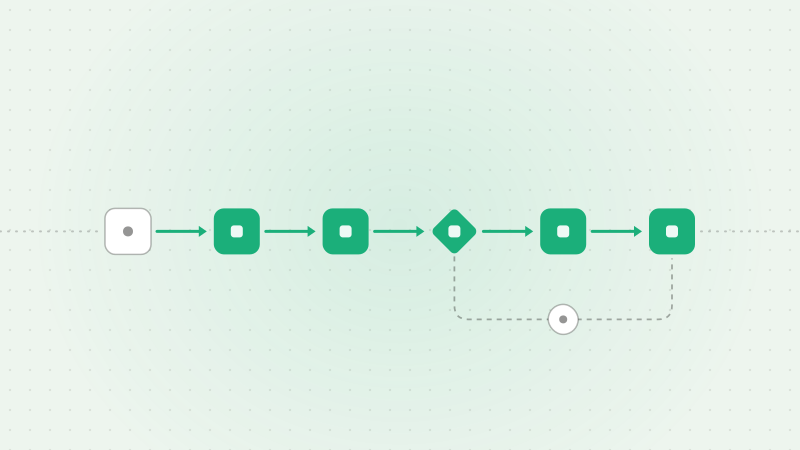
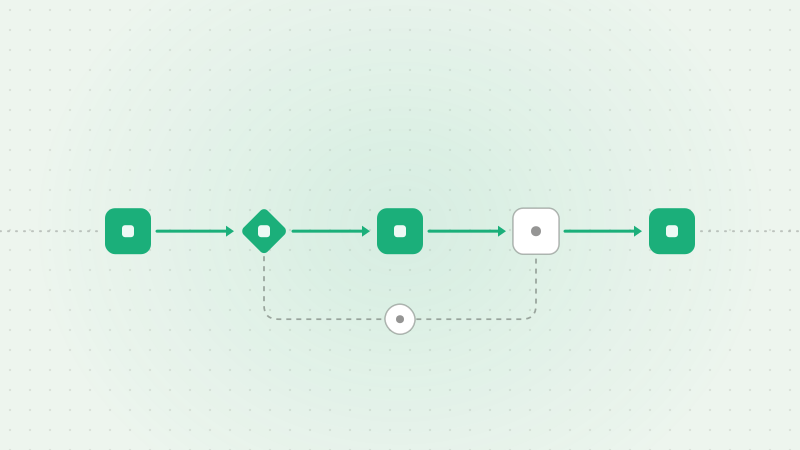
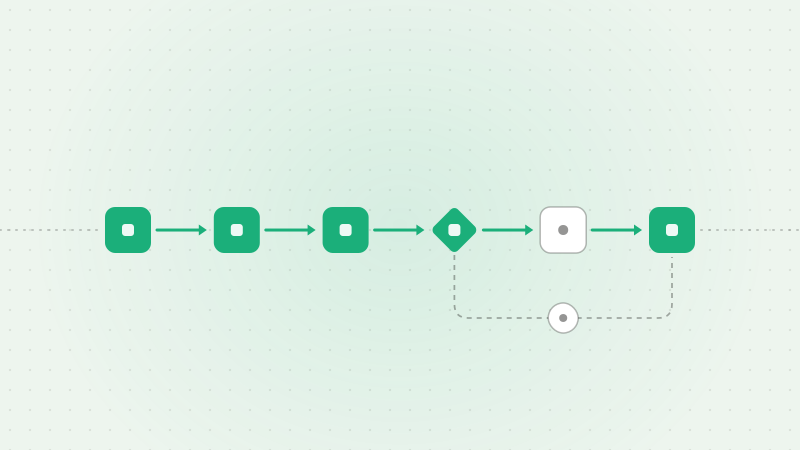
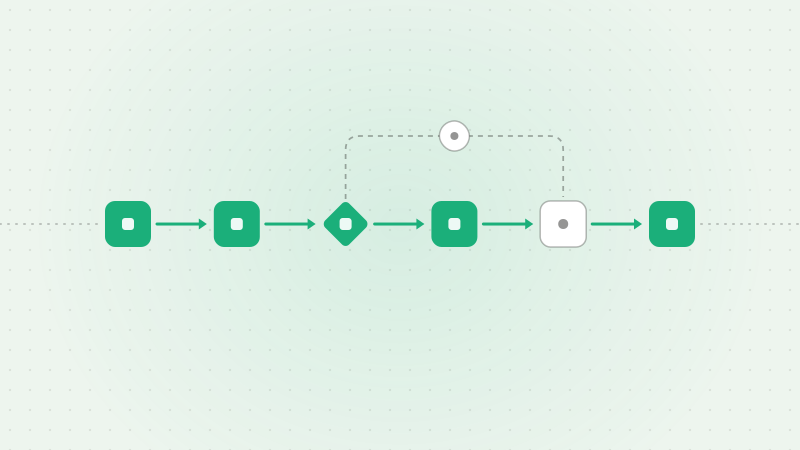
An agentic process automation solution gives the routine steps of a business process to software agents that carry each case across the business systems. A task agent reads each case, gathers what's missing, and takes or prepares the next step in the business systems, within limits that rules enforce. People set the limits, approve the outcomes that need approval, take the cases outside the agent's authority, and monitor the rest.
- Business systems
- Agent platform (documented in this case study)
- Orchestrator or planner (documented in this case study)
- Task agent (documented in this case study)
- Language model
- Checking agent
- Knowledge and context
- Shared data layer
- Tools and connectors
- Pricing and scoring models
- Rules and limits
- Fixed workflows
- Handoff to staff
- Review queue or workbench
- Audit trail (documented in this case study)
- Monitoring (documented in this case study)
A check mark shows a building block that this case study's sources document.
Open the reference architectureOthers who built it
- Lemonade: Lemonade's AI claims bot automates more than half of claims. Roughly 55% of Lemonade's claims run automated end to end, and AI Jim takes 96% of first reports.
- Meta: AI agents spread ML techniques across Meta's ads models. AI agents handle over 60% of Meta's technique propagation, with 3x engineering productivity.
- C.H. Robinson: AI agents handle freight quotes and orders at C.H. Robinson. Emailed freight quotes now go out in 32 seconds, and tenders become orders in about 90 seconds.
- Walmart: Walmart's AI negotiates deals with tail-end suppliers. The chatbot closed deals with 68% of the suppliers it approached, saving 3% on average.
- Saudia Cargo: Saudia Cargo answers emailed rate requests with AI agents. Saudia Cargo's AI workers now handle routine email rate requests end to end, quoting within seconds.
- C.H. Robinson: C.H. Robinson's AI agents price ocean freight in minutes. Ocean and air freight quotes that took a day or more now take two to three minutes.
Cite this case study
Enterprise AI Case Studies. "Mars cuts brand campaign creation from months to weeks." Updated Nov 25, 2026. https://case-studies.ai/case-studies/process-automation/PA-078-campaign-brief-agents-mars/
@misc{csai-pa-078,
  author = {{Enterprise AI Case Studies}},
  title = {{Mars cuts brand campaign creation from months to weeks}},
  year = {2026},
  note = {Updated 2026-11-25},
  url = {https://case-studies.ai/case-studies/process-automation/PA-078-campaign-brief-agents-mars/}
}Sources
The following reporting, and every passage quoted from it, belongs to its publisher, not to this site. Sources and ownership
- Source 1:
Supporting excerpts (29)
Reduced global campaign creation timelines from months to days
Empowering 62,000+ associates with agentic capabilities
Governing agent deployment using Agent Registry and Observability
Building enterprise-grade agents in weeks
As a $65 billion family-owned business with a global workforce of more than 170,000 associates
explains Shubham Mehrish, Mars' chief AI and technology officer
You have to design your strategy based on your business and the operating model of your company,
We are highly federated and decentralized and our operating model is different.
Mars also manages a vast ecosystem of disconnected data and legacy systems, hindering its ability to effectively use decades of valuable institutional knowledge.
many business processes remained fragmented and highly manual, making it difficult to move fast enough to meet evolving trends and consumer demand.
This is not a technology transformation—it's a process transformation,
Critical to this shift was the migration of One Demand AI (ODAI) to Gemini platform.
Built in partnership with Google Cloud and Accenture, this agentic system acts as a unified "front door" for associates, providing access to agentic capabilities and specialized agents that automate complex, multi-step work processes.
hub-and-spoke architecture, which allows different business functions to develop custom agents for their specific needs—whether in marketing, R&D, or finance—while maintaining centralized control.
With Gemini platform, Mars now has all the tools and infrastructure needed to build, scale, govern, and optimize fleets of agents
teams have access to over 200 enterprise-ready models in Model Garden, giving them the flexibility to choose the best model for their unique business needs.
Historically, Mars' marketing and brand teams had to navigate a highly manual process that typically involved multiple external agencies and fragmented, email-heavy workflows.
Associates can now use specialized brand intelligence and campaign brief agents that quickly synthesize market research and trends data into insights.
The agents then automatically generate briefs, grounded in Mars' brand guidelines before routing them for approvals.
Before AI, orchestrating this complicated workflow took us months to do. We're talking weeks now,
This includes an innovation agent for identifying popular flavor trends and an ecommerce agent that delivers personalized recommendations for demand, pricing, and optimized to help sales associates sell Mars' products on online shopping platforms.
I don't need to outsource or hire extra help to actually build out the entire pipeline. Google takes care of that through the Gemini platform managed service.
starting with an initial rollout of the Gemini app to 60,000 associates.
I don't think every associate will on their personal time learn about AI and come in AI-ready,
We have to deliver the tooling to get them there. Gemini is a big part of that education.
This is not a Wild West AI rollout, and especially as people build their own personal agents, the fact that we can govern in one common control plane with Gemini is what sealed the deal for us.
Mehrish highlights Gemini platform's Agent Registry and Agent Observability as critical for scaling and giving associates more confidence in AI.
These features allow technology teams to track every tool built across the organization, such as factory diagnostic assistants for troubleshooting production lines or supply chain partners that find ingredient sourcing alternatives.
This oversight ensures all tools are secure, compliant, and grounded in Mars' core principles.
- Source 2:
Mars Partners with Google Cloud to Empower Global Associates with Gemini Enterprise
Supporting excerpts (7)
Cloud Next '26 — Mars and Google Cloud today announced a major expansion of their strategic partnership, designating Gemini Enterprise as the primary AI operating system for its global workforce.
Mars Marketing, Sales, and R&D are starting to use Gemini Enterprise as an orchestration platform
Associates can use AI to assist with Innovation, R&D, generate creative briefs, and produce preliminary brand assets
providing their external agency partners with high-quality, data-driven foundations for global campaigns
strengthens the modular architecture powering our proprietary AI platform, Mars IQ
We see incredible potential in our partnership as we bring solutions like One Demand AI to Mars - accelerating our growth pillars of innovation, brand building, and end-to-end sales execution
The rollout of Gemini Enterprise across Mars global organization will continue throughout 2026
- Source 3:
Mars expands Google Cloud AI tie-up with Gemini Enterprise
Supporting excerpts (3)
Gemini Enterprise will sit within that structure as a common layer through which employees can access company knowledge and create task-specific agents using low-code and no-code tools.
Teams in marketing, sales, and research and development are beginning to use the system to support work such as innovation, research, creative briefs, and early brand materials.
The emphasis reflects broader concerns among large companies about the spread of disconnected AI tools across departments and the risks of fragmented data access.
- Source 4:
Mars, PepsiCo Partner With Google Cloud on Enterprise-Wide AI Transformations
Supporting excerpts (3)
Within marketing, associates are beginning to use the orchestration platform to generate creative briefs and preliminary brand assets.
Additionally, the company expects to see use cases across sales and R&D
Mars will continue rolling out capabilities enabled by Gemini Enterprise through the remainder of the year.
- Source 5:
Next '26: Building the agentic enterprise
Supporting excerpts (1)
Mars is adopting Gemini Enterprise as its primary AI operating system for its global Associates to build sophisticated AI agents that streamline marketing, R&D, and enterprise search.
- Source 6:
Supporting excerpts (2)
Agent Registry lets you register, discover, and govern agentic components,
maintains the authoritative registry of agents, MCP servers, tools, skills, and







Comments
Start the conversation.
Invited members of the library comment here. Sign in to join the conversation.