
Choose your region

    Lists show the case studies of your region first. Browse and search still hold every case study.

    Europe
    North America

    Document intelligence AI case studies

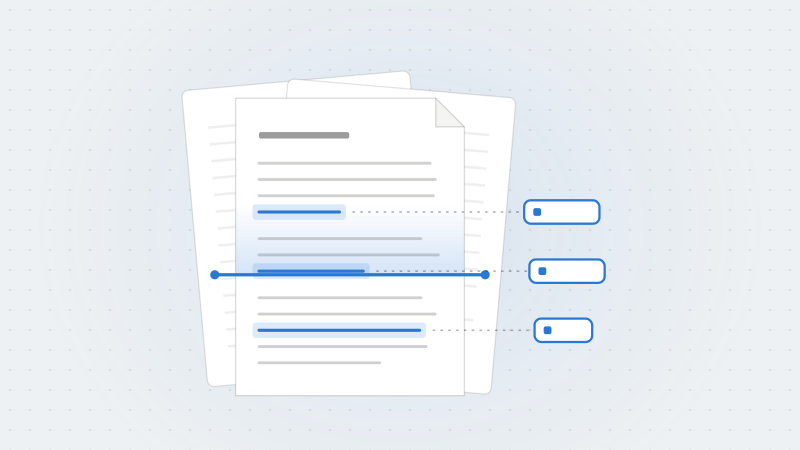
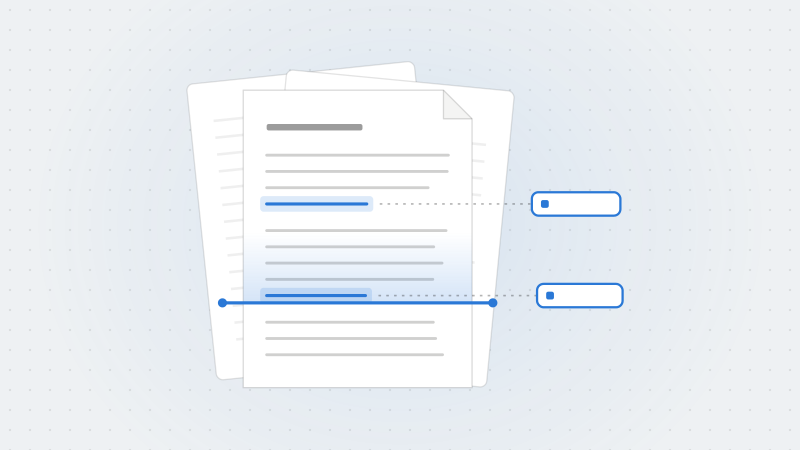
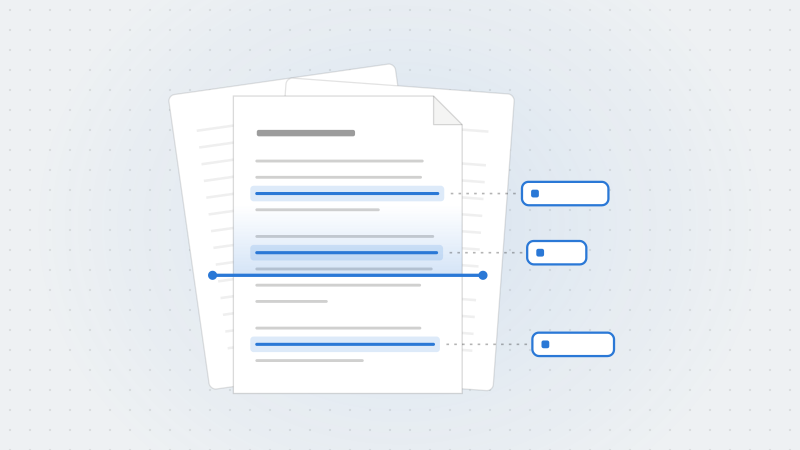
    Document intelligence covers software that reads paperwork such as invoices, contracts, loan files, and clinical notes. The software turns it into data that a person or a system can act on.

    Property and casualty insurance

    How Nationwide uses generative AI to summarize claim notes

    Nationwide built a generative AI engine that condenses the log notes of each claim, so claims service representatives can answer a caller without first reading every note on the file.


    More in Document Intelligence

    For and worldwideEvery region

    Reference architectures used here

    All reference architectures

    Techniques used here

    All topics

    Scope and deployments

    Document intelligence systems handle documents of many kinds, from insurance submissions to contracts.

    • Hiscox: Gemini drafts a priced terrorism quote from a broker’s emailed submission. An underwriter in London decides whether to send it.
    • Customs Support Group: Software pre-fills a customs declaration from invoices, packing lists, and bills of lading. A declarant checks it.
    • Other deployments: The document is a supplier invoice at Uber, a borrower’s upload at Rocket Mortgage, or a contract at A&O Shearman.

    Typical workflow

    1. Documents arrive by email, upload, or scanner, and the system sorts them by type.
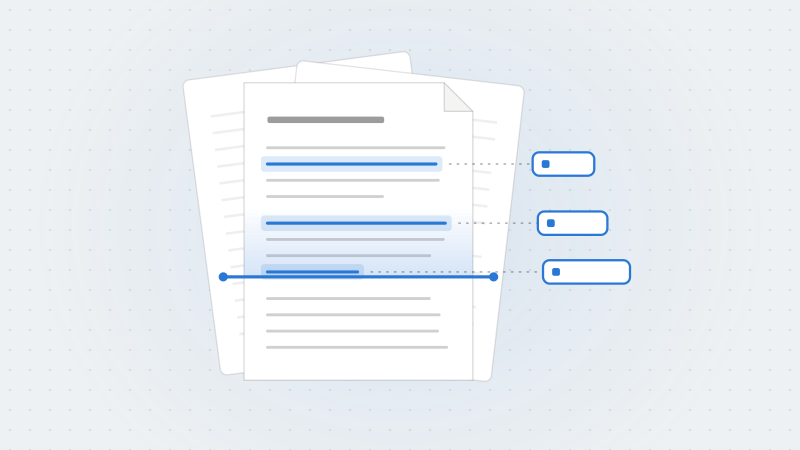
    2. Optical character recognition (OCR) or a vision model turns each page into text, and a model extracts the fields that the process needs.
    3. Business rules check those fields against the system of record, such as the ledger or the loan file.
    4. Confident results move on, and the rest wait in a review queue.

    A person usually signs off before anything is paid, filed, or sent. At Uber, for example, an operator reviews every invoice before payment.
    Results and evidence

    • Uber: The TextSense invoice reader cut average handling time per invoice by 70%. Uber didn’t publish the baseline.
    • Seattle: In the city’s permit pilot, CivCheck found 87% of in-scope intake rejection reasons on 29 historical applications. The city also published the misses. In plan review, CivCheck missed corrections on 6.4% of checks, where it passed an item on which reviewers then required a fix.
    • Amazon Pharmacy: In a production test, the MEDIC copilot produced 33% fewer direction-related near-misses than the previous system. Nature Medicine published the result.
    • Kaiser Permanente: By estimate, the ambient AI scribes saved Northern California physicians nearly 16,000 hours of documentation time in their first year. No controlled trial measured that saving.