
Hoeksche Waard anonymizes Woo documents with an LLM
Hoeksche Waard led six Dutch councils in building an open source tool that uses a large language model to replace personal data in documents published under the Open Government Act.
Gemeente Hoeksche WaardNetherlandsLocal and regional governmentPilot
- Scale
- Trialled by several councils and suppliers; six councils in the project
- Scenario
- Document redaction for freedom of information requests
- Business function
- Legal and compliance
- Kind of solution
- Document review and drafting
- Who built it
- Built with a partner (Conduction, Centric, Acato, Remdam, Ministry of the Interior and Kingdom Relations, and BedrijfsvoeringsPartner)
- Where it runs
- On premises
- Human oversight
- Assists people
- Organization
- Public sector
- AI types
- Generative AI
- Sites
- 6
tl;drSeveral councils trialled the LLM tool, which won the Computable Award 2025 for government projects.See the results
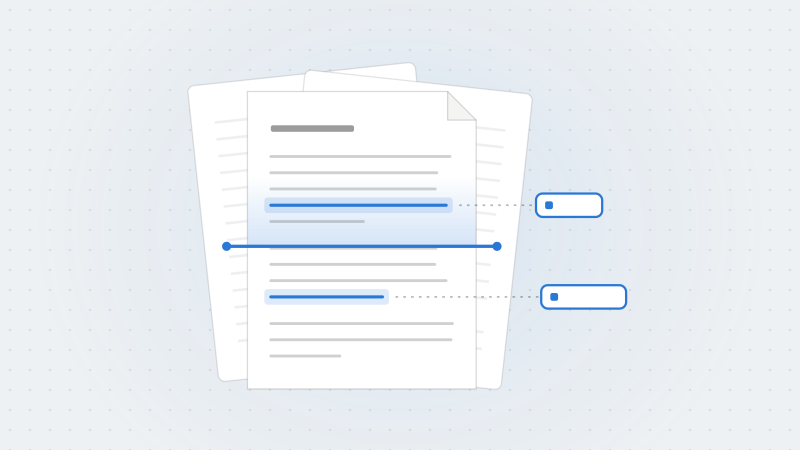
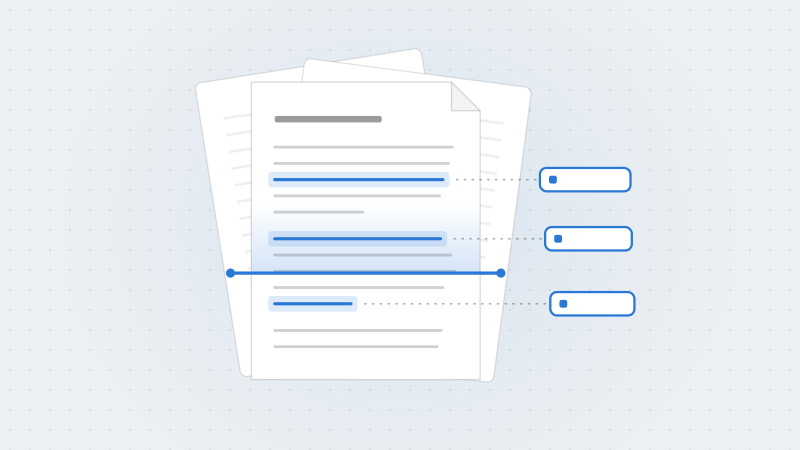
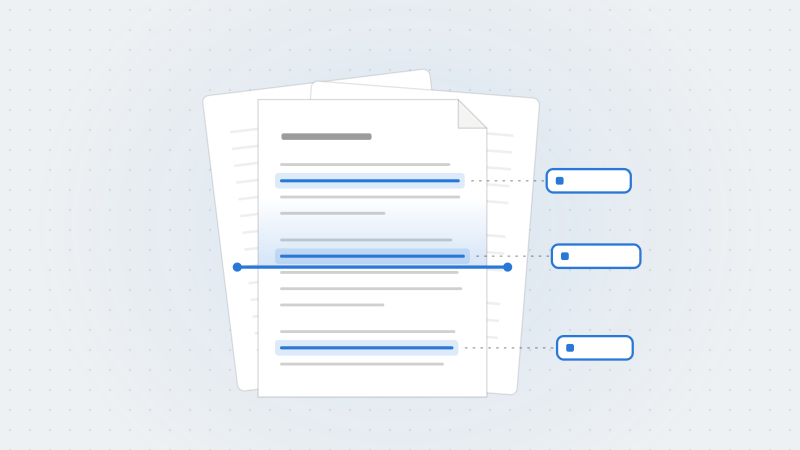
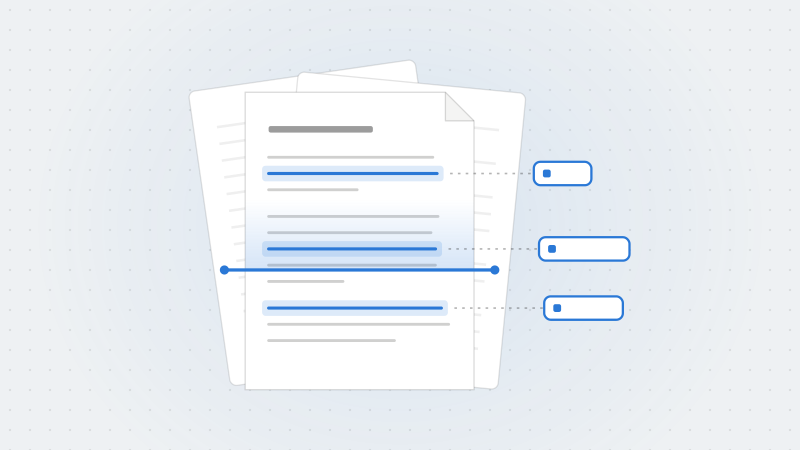
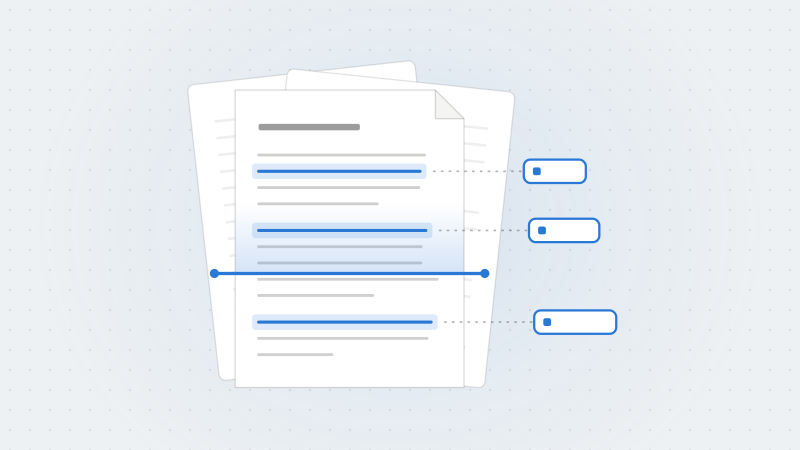
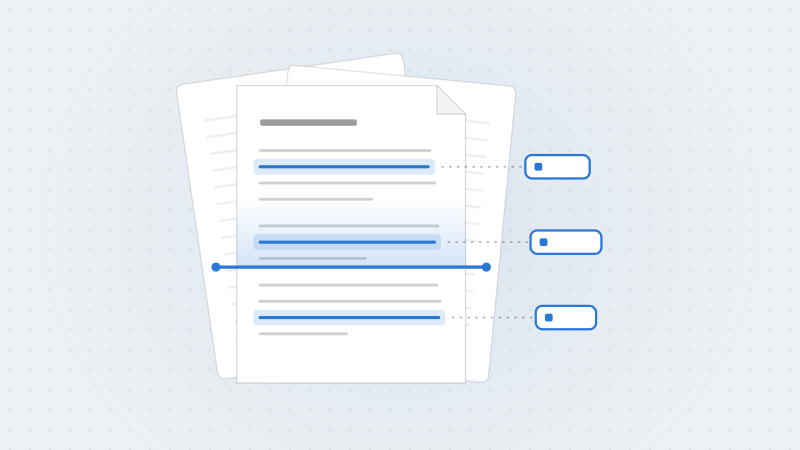
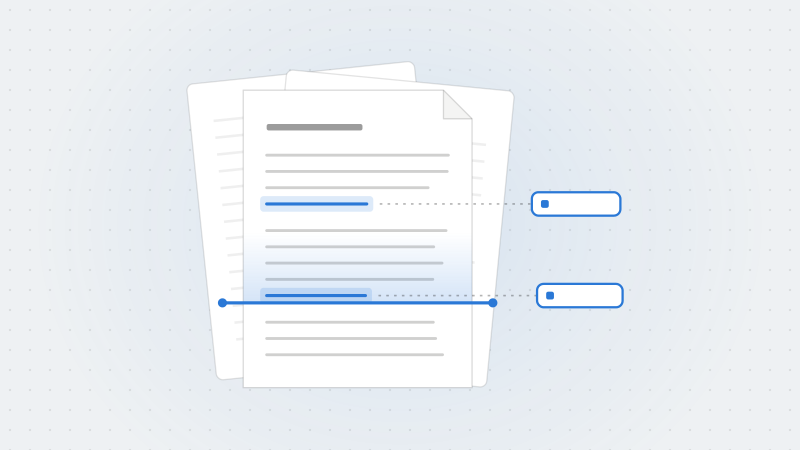
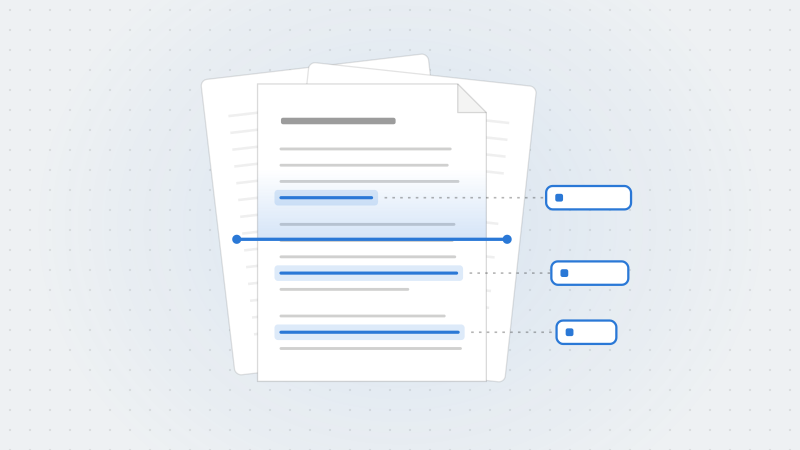
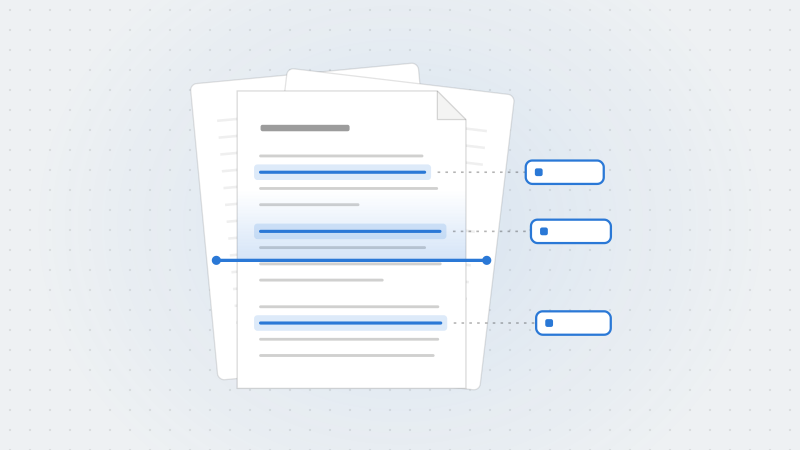
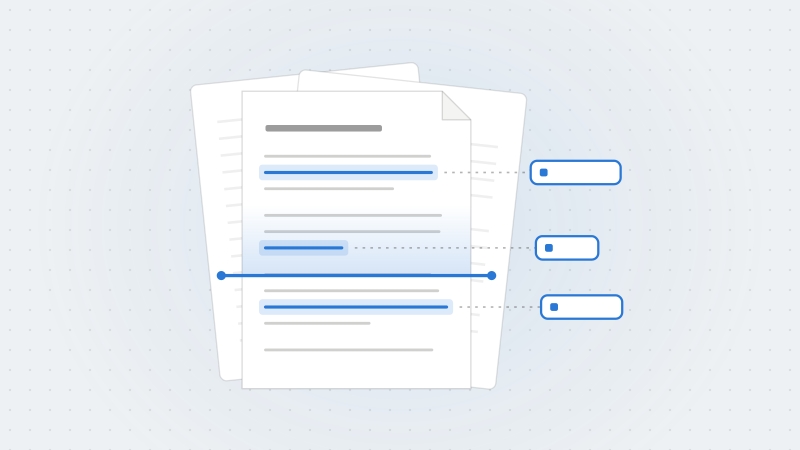
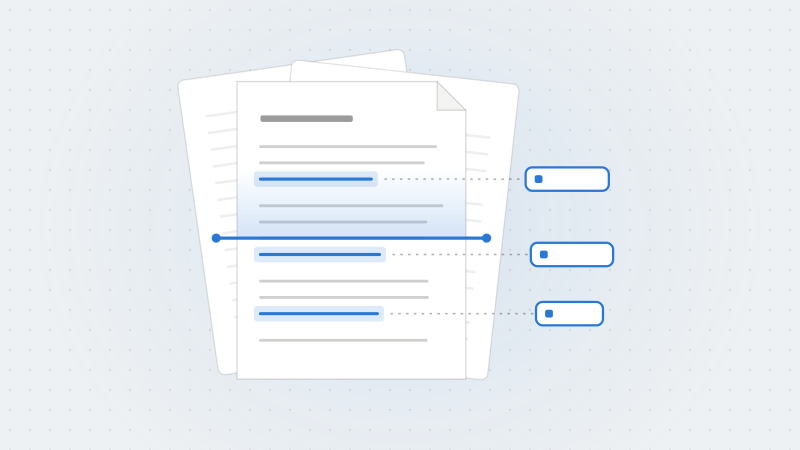
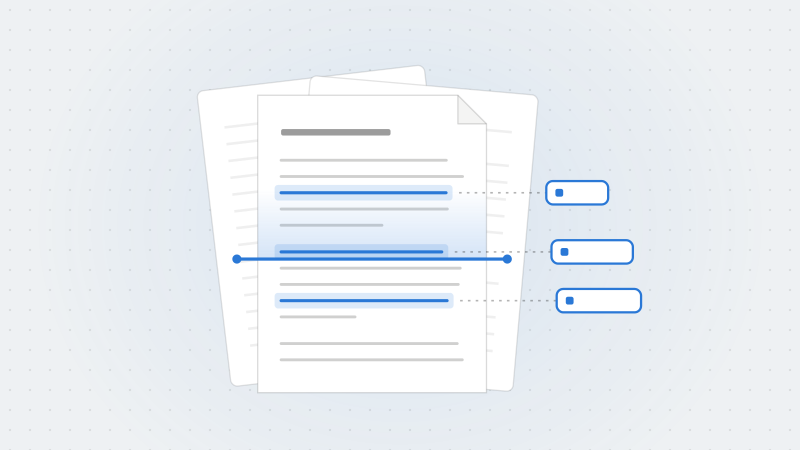
Hoeksche Waard, a municipality in South Holland, uses a large language model to anonymize documents before it publishes them under the Dutch Open Government Act (Woo)1, 3. The model replaces names and other personal details with neutral terms instead of blacking them out, so the text stays readable2.
The municipality led a project of six councils that builds the tool as open source, with funding from the Ministry of the Interior and Kingdom Relations2, 3. Several councils and suppliers, including Centric, were trialling the first version, called Anonimiseren met LLM, in November 20252.
The project won the Computable Award 2025 for government projects2. In May 2026, the councils were turning the tool into a product for Dutch municipalities, with a first version planned for the Nextcloud app store1.
Before the deployment
Before the project, municipal staff checked Woo documents by hand or used software that covered personal data with black bars3, 4.
- Volume: Municipalities faced a large and growing volume of Woo requests, and much of the information held personal data that had to be anonymized before publication3.
- Time and cost: Checking documents by hand took a lot of time and was expensive, which left staff less time to help residents4, 1.
- Errors: Manual methods were error-prone3.
- Accessibility: Black bars don’t work with screen readers, which conflicts with the councils’ duty to offer digital accessibility4.
In 2024, Hoeksche Waard took the lead in the Innovation Budget project Anonimiseren met LLM4. Its partners were the BedrijfsvoeringsPartner of Albrandswaard, Barendrecht and Ridderkerk, and the municipalities of Buren and Krimpen aan den IJssel4, 2.
What was built
The tool finds names and other personal details in a document and writes a version in which neutral terms replace them1, 2. A screen reader then reads out an alternative term instead of a beep, and the text keeps its meaning1.
- Language model: Detects the personal data in a document and replaces each name or sensitive detail with a neutral term2, 3.
- Tool checks: The source-level version anonymizes documents in bulk and checks each result for WCAG accessibility and readability2.
- Staff: A person always stays in the loop1.
- Lawyers: Decide how far anonymization must go under the Woo1.
“In the end, anonymisation should become as routine as saving or sharing a file.”
Rollout
The first phase centered on the technology1. The phase that started in October 2025 turns the tool into a product that fits Dutch municipalities1. It moves anonymization to where the documents are stored, to reduce the risk that they are intercepted1.
Technology and architecture
| Layer | What they used | Role | Source |
|---|---|---|---|
| Language model | Large language model | Detects personal data and replaces names and sensitive details with neutral terms | 2, 3 |
| Solution platform | Anonimiseren met LLM | Open source anonymization tool, built with open source components and trialled by several councils and suppliers | 2, 3, 4 |
| Guardrails | Accessibility and readability checks | Check each anonymized document for WCAG accessibility and readability | 2 |
The tool takes government documents that hold personal data, mainly documents requested under the Woo3, 4. In the source-level version, everything runs inside the municipality’s own secure environment instead of on external servers2.
The source-level tool uses an open source model, which isn’t a black box, so users can inspect and adapt it without depending on one supplier1. The project works on two variants of it1:
- On-premises variant: A light version that is easy to install1.
- Software-as-a-service variant: A heavier version with a more modern large language model and more computing and storage capacity, hosted by the supplier1.
Conduction handles the technical design and implementation, Centric works on the development, and Acato builds the front end within Nextcloud1, 2.
Results
The tool reached trial use, and the project drew national recognition and interest from other councils:
- Trial use: Several councils and suppliers, including Centric, were trialling the LLM Anonymisation tool in November 20252.
- Time saved: Hoeksche Waard’s information manager called the time saved by the project enormous1.
- Jury score: The independent expert jury of the Computable Awards gave the project 8.25, one of the ten highest-rated government projects of the year3.
- Award: Hoeksche Waard won the Computable Award 2025 in the Government Project category on November 18, 20252.
- Interest: The award’s visibility led to broad interest from other municipalities1.
In May 2026, the councils planned a minimum viable product in the Nextcloud app store before the summer, with scaling to more governments as the goal1. The project also plans to use the tool for reports, permit applications and enforcement case files2.
Lessons learned
The approach answers two problems at one time. Neutral terms protect personal data and keep the text readable for screen readers, which black bars don’t1, 2, 4.
The first version proved the concept but was too technical for everyday users2. The project’s second phase therefore focuses on usability, after a first phase that centered on the technology1.
The tool can’t guarantee that its anonymization is always fully correct, said Remco Damhuis, the project leader from Remdam1. It removes addresses in principle, but the town hall’s address should stay, and officials don’t need to be anonymous1.
The technology can’t decide how far anonymization must go under the Woo, because lawyers decide that1. The project team considers a fully automatic system without human control unrealistic, so a person always stays in the loop1.
Data protection shaped the design. The team moved away from sending sensitive documents to external servers and chose an open source model that gives more control2, 1.
The account comes from the project team, in interviews with Computable and the funding ministry’s Digital Government site and in a report by the European Commission’s Open Source Observatory1, 2, 3. The time saving is the information manager’s own assessment1.
Case study scorecard
Sources by publication date
- Vendors and partners 2
- Press, academic, and regulators 4
Build this solution yourself
Analysis
What you need
- Lawyers who set the scope: The model can’t decide which addresses or officials’ names stay in a Woo document, so you need lawyers who set how far anonymization goes1.
- A place to run the model near the documents: Hoeksche Waard stopped sending sensitive documents to external servers, so check that the model can run in your own environment2.
- Partner councils and an open source route: Six councils shared the work with Innovation Budget funding, and open source lets other councils adopt and improve the tool2, 3.
Reference architecture
Document review and drafting
A document review and drafting solution reads a case's documents against a written standard, precedents, or a list of questions and drafts a review, summary, clause, or report with its sources for an expert to finish. The solution pulls the case's documents, and a language model answers each question from the passages that bear on it, with its source. Fixed logic settles what must not vary, and an expert checks the draft against the sources and makes the decision.
- Source system
- Connector to the source system
- Review and drafting platform (documented in this case study)
- Text recognition
- Document preparation
- Passage index
- Access control
- Questions and templates
- Drafting model (documented in this case study)
- Private model endpoint
- Fixed logic
- Review workbench
- Reviewer feedback
- Tests on known cases
A check mark shows a building block that this case study's sources document.
Open the reference architectureOthers who built it
In the library
- How Nationwide uses generative AI to summarize claim notes Nationwide
- Merck drafts clinical study reports in days with gen AI Merck & Co.
- AI drafts clinical study reports in minutes at Novo Nordisk Novo Nordisk
- Corona, California speeds building plan review with AI City of Corona
- Denver pre-screens permit applications with CivCheck AI City and County of Denver
- Court strikes down DOGE's ChatGPT screening of NEH grants United States DOGE Service
Cite this case study
Enterprise AI Case Studies. "Hoeksche Waard anonymizes Woo documents with an LLM." Updated Nov 21, 2026. https://case-studies.ai/case-studies/document-intelligence/DI-042-woo-document-anonymization-hoeksche-waard/
@misc{csai-di-042,
  author = {{Enterprise AI Case Studies}},
  title = {{Hoeksche Waard anonymizes Woo documents with an LLM}},
  year = {2026},
  note = {Updated 2026-11-21},
  url = {https://case-studies.ai/case-studies/document-intelligence/DI-042-woo-document-anonymization-hoeksche-waard/}
}Sources
The following reporting, and every passage quoted from it, belongs to its publisher, not to this site. Sources and ownership
- Source 1:
Gemeenten lanceren ai-tool voor bron-anonimisering
Supporting excerpts (28)
Zo helpt een groot taalmodel de gemeente Hoeksche Waard documenten automatisch te anonimiseren zonder tekst te verwijderen of zwart te lakken.
Woorden of namen worden om privacyredenen vervangen door neutrale termen.
Dit voorkomt dat informatie onleesbaar wordt of verkeerd wordt geïnterpreteerd.
Wordt zo’n naam voorgelezen, dan hoor je geen piep, maar een alternatieve term.
De Zuid-Hollandse gemeente ontving in november vorig jaar de Computable Award 2025 in de categorie Overheidsproject.
vervulde de gemeente de rol van regievoerder in een samenwerking tussen zes gemeenten
Dit innovatieproject richt zich op anonimisering op de plek waar documenten worden opgeslagen, zodat het risico op onderschepping wordt geminimaliseerd.
Anonimisering door mensen kost veel tijd en moeite; uren die beter kunnen worden besteed aan publieke dienstverlening.
Bij de ontwikkeling van een llm-gebaseerde tool voor anonimisering stond vooral de techniek centraal.
In de huidige fase, die in oktober vorig jaar is gestart, wordt de tool doorontwikkeld tot een gebruiksvriendelijk product dat beter aansluit op de behoeften van Nederlandse gemeenten.
Het technische ontwerp en de uitvoering liggen bij Conduction, terwijl Centric meewerkt aan de ontwikkeling.
Acato bouwt de front-end binnen het framework van NextCloud.
Nog voor de zomervakantie moet een minimum viable product gereed zijn en beschikbaar binnen de NextCloud app-store, dat geschikt is voor breed gebruik.
Opschaling naar meerdere overheden is het doel.
Amanda Hanemaaijer (informatiemanager gemeente Hoeksche Waard) en Remco Damhuis (projectleider vanuit Remdam)
Maar er bestaat geen garantie dat dit altijd volledig correct gebeurt.
Adressen worden in principe altijd weggelaten, maar bij het gemeentehuis is dat juist niet de bedoeling.
En ook bestuurders hoeven niet anoniem te zijn.
Bij de Wet open overheid bepalen juristen hoe ver anonimisering moet gaan. De techniek kan dat niet volledig oplossen.
Zodat data de server niet hoeven te verlaten.
Binnen het project wordt gewerkt met twee varianten: een lichte on-premises-variant die eenvoudig te installeren is, en een zwaardere software-as-a-service (saas)-variant.
Deze laatste maakt gebruik van een moderner groot taalmodel met meer reken- en opslagcapaciteit.
Hosting vindt in dat geval plaats bij de leverancier.
is gekozen voor een opensourcemodel dat meer grip, zekerheid en veiligheid biedt.
Het is geen black box, waardoor gebruikers inzicht houden en aanpassingen kunnen doen zonder afhankelijk te zijn van één leverancier.
Een volledig automatisch systeem zonder menselijke controle is volgens de betrokkenen niet realistisch. Er blijft altijd een mens in de loop.
Maar de tijdwinst van het ai-project is enorm.
veel zichtbaarheid, wat leidde tot brede interesse vanuit andere gemeenten.
- Source 2:
We're creating something that benefits all of government
Supporting excerpts (19)
Hoeksche Waard Council, working with Conduction and the Open Web Concept, has developed a new solution: source-level anonymisation.
This de-identification tool automatically anonymises documents while keeping the text readable.
Building on the success of their LLM Anonymisation tool (currently being trialled by several councils and suppliers, including Centric)
Information Manager at Hoeksche Waard Council
Large Language Models help us anonymise more effectively.
Most tools either remove text or use black bars, which destroys context and can make information unreadable or even misleading.
Our approach replaces names and sensitive details with neutral terms, so the text remains clear and useful.
The initial version proved the concept but was too technical for everyday users.
With funding from the Innovation Budget (Dutch), the team is now refining the tool.
We wanted to move away from sending sensitive documents to external servers. Now, everything occurs within our own secure environment, making it safer and more efficient.
We’ve also added new features, like bulk anonymisation, WCAG accessibility checks, and readability testing.
This means the tool not only anonymises but also ensures documents are accessible and easy to understand.
Hoeksche Waard Council won the Computable Award 2025 in the Government Project category (Dutch) on 18 November.
The award recognised the Anonymisation with LLM project, a collaboration involving 6 councils.
We work open source and share all our knowledge. If one council adds or improves something, everyone benefits.
In the end, anonymisation should become as routine as saving or sharing a file.
Source anonymisation will soon be available for various processes, including requests for information under the Open Government Act (Wet Open Overheid, WOO request), reports, permit applications, and enforcement case files.
The tool will be added to the Nextcloud App Store in 2026
Hoeksche Waard Council and the BedrijfsvoeringsPartner (a collaboration of the municipalities of Albrandswaard, Barendrecht, and Ridderkerk) are the initiators, backed by the Open Web Concept movement. Conduction handles the technical design and implementation.
- Source 3:
Dutch GovTech solution receives recognition
Supporting excerpts (10)
the municipality of Hoeksche Waard has taken an innovative step by developing an anonymisation solution that uses large language models (LLMs) to automatically detect and mask personal data in documents.
The idea originated from the growing challenge municipalities face with the large volume of information requests under the Wet open overheid (Woo)(Dutch Open Government Act).
Much of this information contains sensitive personal data that must be anonymized before publication. Traditional manual methods were too time-consuming and error-prone.
The anonymisation tool, built with open source components and self-learning algorithms, replaces old practices where documents are manually redacted or censored with black bars.
the LLM-based approach allows municipalities to share information securely while maintaining compliance with the Dutch Open Government Act (WOO) and digital accessibility standards.
The independent expert jury for the Awards gave the initiative a score of 8.25, making it one of the ten highest-rated government projects of the year.
Anonymisation is a shared obligation, and by making the solution open and locally deployable, we combine data sovereignty with broad usability.
Amanda Hanemaaijer, the project leader on behalf of gemeente Hoeksche Waard
Development is made possible with innovation budgets of the Ministry of the Interior and Kingdom Relations (BZK).
By releasing the anonymisation technology as open source, other municipalities and organizations can adopt, adapt, and improve the tool without having to start from scratch.
- Source 4:
Supporting excerpts (7)
Het anonimiseren van overheidsdocumenten, nodig voor de WOO, is moeilijk.
De huidige software maakt zwarte balken die niet werken met schermlezers voor bijvoorbeeld visueel beperkten.
Dit past niet bij de verplichting en ambitie van gemeenten om digitale toegankelijkheid te bieden.
Handmatig controleren van documenten kost veel tijd en is duur.
Dit innovatieproject wil deze taak automatiseren met bestaande open source software en zelflerende algoritmes.
Gemeente Hoeksche Waard
De Bedrijfsvoeringspartner (namens gemeente Barendrecht, Ridderkerk en Albrandswaard) Gemeente Buren, Gemeente Krimpen aan den IJsel
- Source 5:
Anonimiseren (Gemeente Berkelland)
Supporting excerpts (2)
Voor publicatie worden deze gegevens automatisch verwijderd of vervangen.
De uitkomsten van het algoritme worden door medewerkers beoordeeld, gecontroleerd en indien nodig aangepast voordat een document definitief wordt gepubliceerd.
- Source 6:
Anonimiseren (Gemeente Nissewaard)
Supporting excerpts (2)
Het algoritme markeert persoonsgegevens in documenten. Een medewerker controleert alles handmatig en geeft daarna de opdracht om de gemarkeerde info onomkeerbaar te verwijderen of onleesbaar te maken.
Een aandachtspunt is dat de tekstlaag van het document door een Microsoft Azure server wordt geanalyseerd.












Comments
Start the conversation.
Invited members of the library comment here. Sign in to join the conversation.