
Denver pre-screens permit applications with CivCheck AI
The City and County of Denver put Clariti's CivCheck in front of its E-permits portal so applicants catch missing documents and errors before city staff see an application.
City and County of DenverUnited States (Denver, Colorado)Local and regional governmentIn production since 2026
- Scenario
- Building permit application pre-screening
- Business function
- Legal and compliance
- Kind of solution
- Document review and drafting
- Who built it
- Built with a partner (Clariti)
- Human oversight
- Assists people
- Organization
- Public sector
- AI types
- Machine learning, Document AI
- Contract value
- $4.6 million
tl;drDenver's AI assistant now checks permit applications for missing information before submission.See the results
The City and County of Denver uses CivCheck, an AI plan review product from Clariti, to check permit applications before applicants submit them1, 2. The Denver Permitting Office runs it as the StartSmart: Application Intake Assistant, which connects to the city’s E-permits portal2.
The city started implementing the tool in April 2026, after the City Council approved the contract in March1, 4. In November 2026, the assistant went live for formal site development plan and building permit applications2. It flags missing information and errors before submission, and city staff still decide whether an application is ready for plan review2. No results have been published since the launch.
Before the deployment
Applicants submitted every application electronically through the E-permits portal, and a permit review technician checked it at intake3. Intake staff and plan reviewers told the Denver Permitting Office that application quality tended to be poor, which created extra rounds of review1.
- Volume: The city received close to 1,000 permit applications a month, with roughly 38% accepted without issue3.
- Intake effort: Each application took about 30 minutes of initial review6.
- Seven agencies: The permitting system spans seven city agencies, and staff in each provide final review3.
- Deadline: Executive Order 151 requires approval of every development project within 180 days of city review time8.
- Fewer staff: Budgeted positions in Community Planning and Development fell from 310 to 251 for 2026, after layoffs triggered by a $250 million budget deficit3.
The Denver Permitting Office was created in 2025 to coordinate plan review and permitting for private development8. Its plan for its second year included a guided intake tool to help customers submit a complete application8. When the contract went to council, Robert Peek, development systems performance director, pointed to AI intake tools in Honolulu, Vancouver, New York City and Seattle3.
What was built
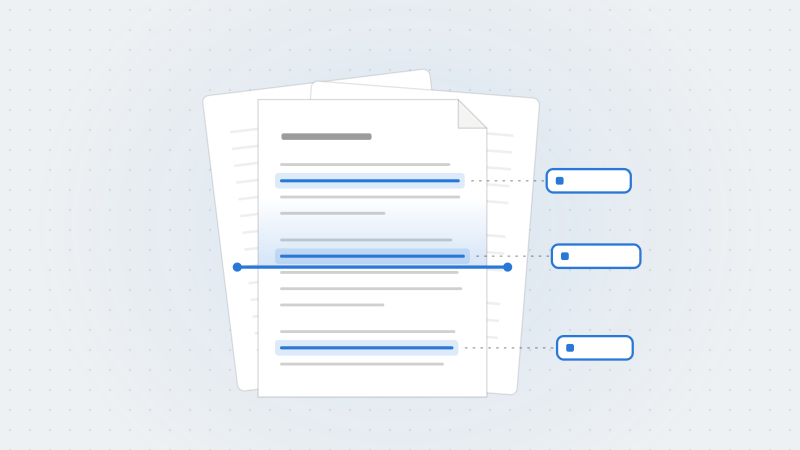
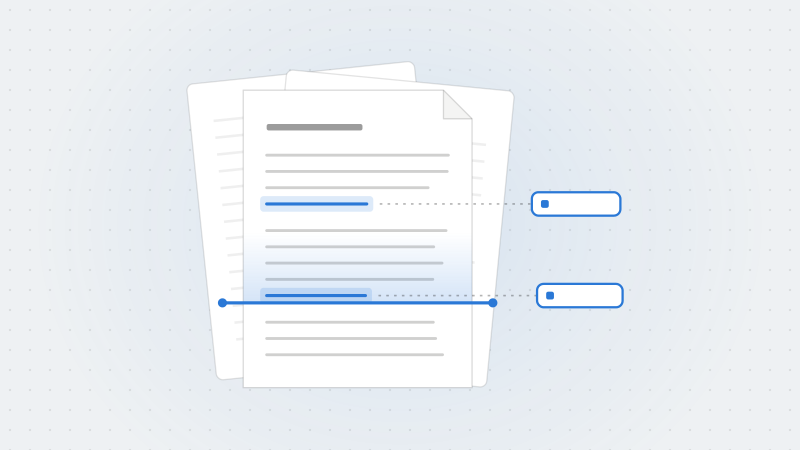
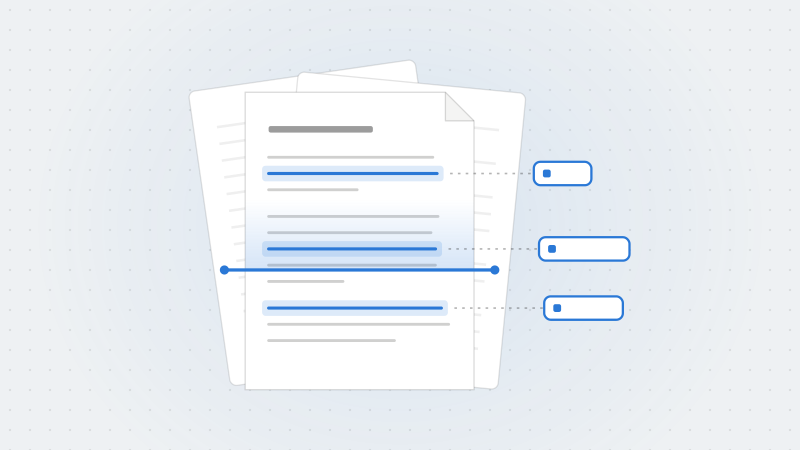
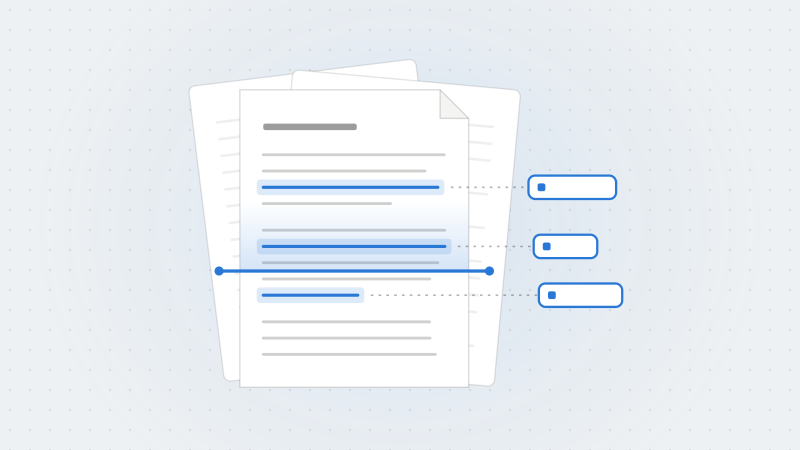
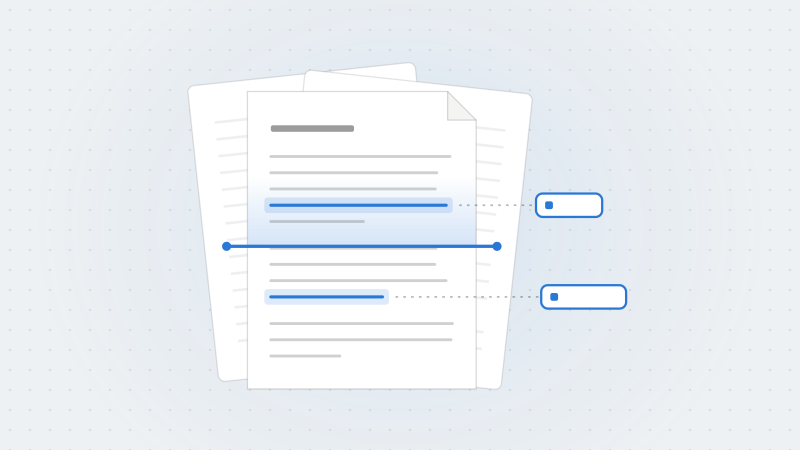
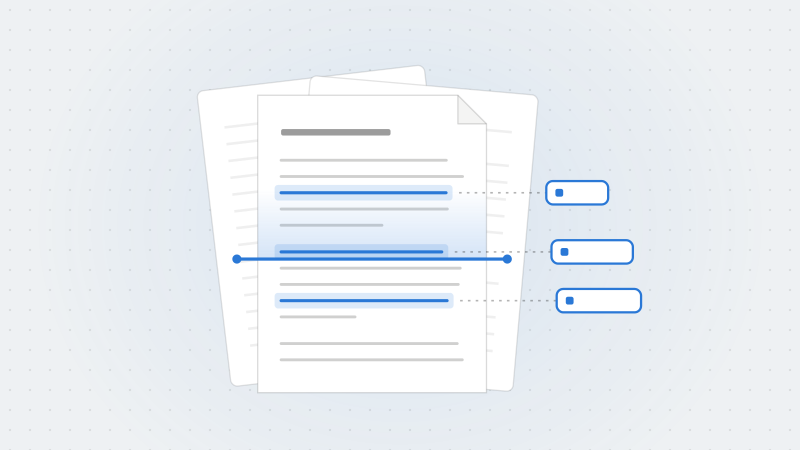
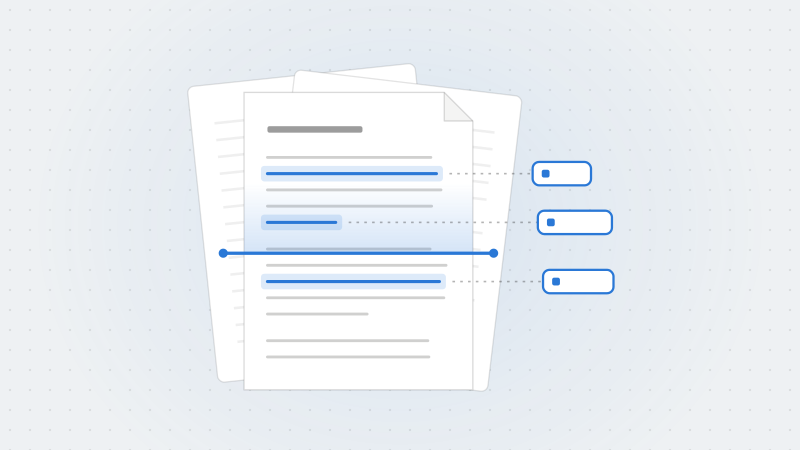
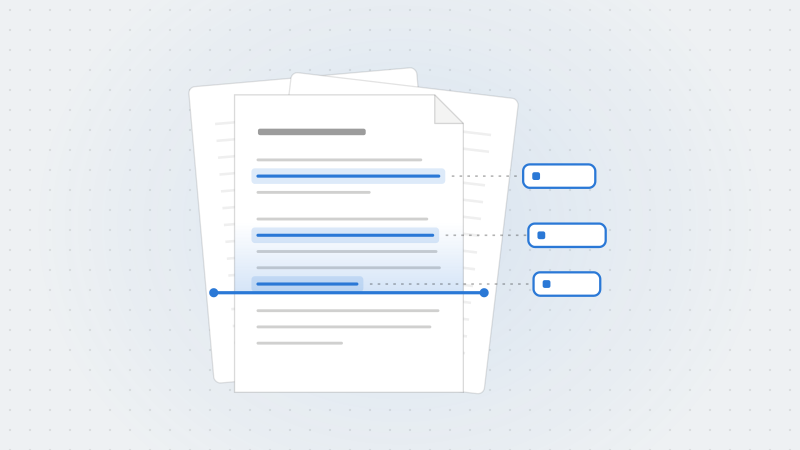
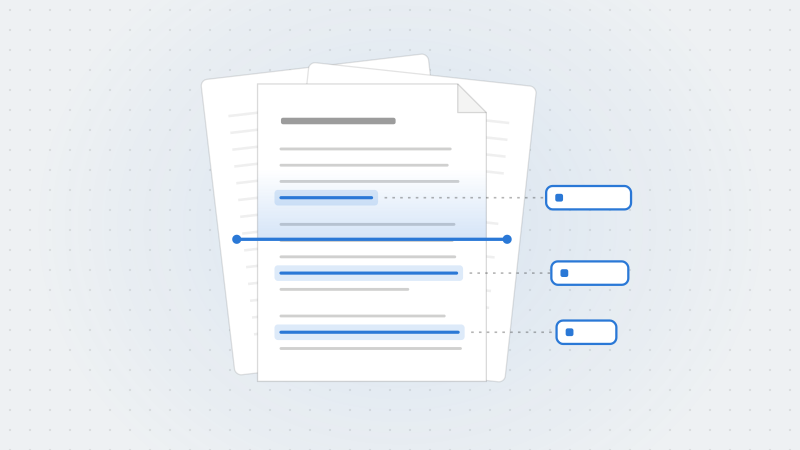
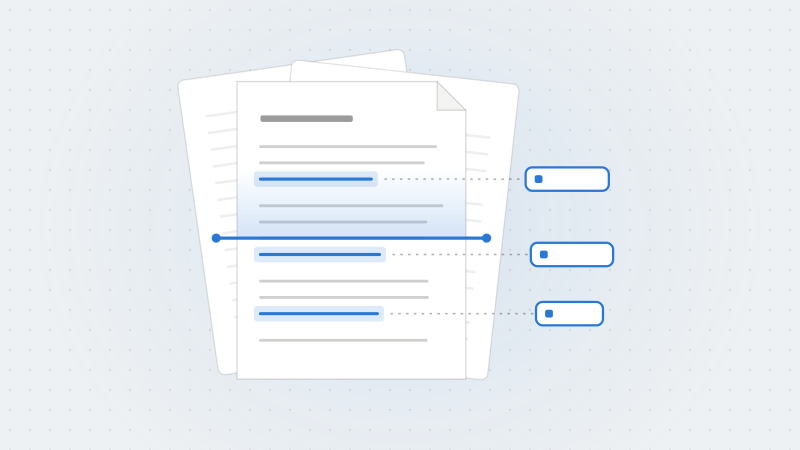
The assistant reads the plans and forms that an applicant uploads, checks them against the project’s requirements, and gives immediate feedback before the application reaches the city2, 6. Peek described it as a tool that “works like a smart checklist or validation engine for our customers”3.
- CivCheck: Scans the uploaded documents, suggests how the files map to city requirements, and flags missing information6. It turns the uploads into an interactive application with fields for the applicant to check1.
- Code requirement checks: Apply consistent rule-based checks tied to local codes, within parameters that city departments set7.
- Applicants: Review the flagged fields, override any AI-generated field, and correct issues before they submit1, 3.
- City staff: Receive an AI-generated project report with each submitted application1. They decide whether the application is ready for plan review and whether the project qualifies for a permit2.
“They can work with their design team or their contractor, figure out what the city needs for our requirements, and then upload their plans to the tool.”
Rollout
The city selected CivCheck through a competitive request for proposals2. CivCheck had demonstrated its technology at Denver’s DenAI Summit2. Peek described the rollout as gradual, with modules added over the life of the five-year contract4.
Technology and architecture
CivCheck is Clariti’s guided AI plan review product, which Clariti acquired5. In this deployment, it checks each application for missing documentation and incomplete information tied to the applicable requirements7. City officials described it as using AI automation, machine learning and “intelligent document analysis”3.
| Layer | What they used | Role | Source |
|---|---|---|---|
| Solution platform | CivCheck | Reads uploaded plans and forms, maps them to city requirements and flags missing information | 1, 3, 6 |
| Customer app or website | StartSmart: Application Intake Assistant | Applicant-facing intake tool that gives immediate feedback before submission | 2 |
| Rules and decision logic | Code requirement checks | Applies rule-based checks tied to local codes, within parameters set by city departments | 7 |
| Review workbench | AI-generated project report | Gives city staff a report of the project with each submitted application | 1 |
| Business or operational system | E-permits portal | Receives every permit application; the assistant connects to it | 2, 3 |
Data and integrations
- Plan sets and forms: Applicants upload construction drawings and permit documents3. CivCheck works with PDFs, required forms and hand-drawn plans9.
- City requirements: The tool compares the plan sets with the municipal code and the project requirements5, 2.
- E-permits portal: The assistant connects to the portal, which receives every permit application to the city2, 3.
How one application moves through intake
- The applicant works out what the city requires with their design team or contractor, and uploads the plans to the tool3.
- CivCheck checks scope and completeness first, and flags missing documents and required information9.
- CivCheck generates an interactive application with data fields for the applicant to review for accuracy and completeness1. If the AI isn’t confident in a result, it prompts the user to provide or verify the information9.
- The applicant corrects the flagged issues and can override any AI-generated field1.
- The applicant submits the complete application to the city through E-permits2, 3.
- City staff receive the application with an AI-generated report of the project1.
- A permit review technician evaluates the application, and staff decide whether it’s ready for plan review3, 2.
Results
In November 2026, Denver made the intake assistant available online for formal site development plan and building permit applications2. Applicants now get immediate feedback on missing information before they submit2. The city expects to add more application types in 20272.
The office set a target of 80% of applications accepted on the first round4. It plans to measure the tool’s impact by two figures1:
- Review cycles: The number of cycles an applicant needs to get through the review process1.
- First-round acceptance: The number of projects accepted on the first round1.
Lessons learned
The design keeps every decision with the city. Clariti configured CivCheck as decision support rather than an approval engine, and staff decide on readiness and permit eligibility7, 2. Applicants can override any field the AI fills in1.
Reliability was the main objection. Councilmember Flor Alvidrez cast the sole vote against the contract, and architects told her that AI tools “may not be ready to handle the full complexity of codes, building codes, and site-specific conditions.”4 Peek agreed that the tool needs to be built up before it expands4.
The launch scope is narrow. The assistant covers formal site development plan and building permit applications, and other types are planned for 20272.
Cost against staffing drew criticism. Councilmember Sarah Parady said the money could otherwise go to staff after layoffs in Community Planning and Development, and suggested an evaluation in a year4. Other council members asked the same question6.
The sources give different figures. The first-round baseline appears as roughly 30%1, 37%4, 5 and 38%3. The contract appears as a five-year, $4.6 million deal4, and as a $1.05 million contract with potential spending of $4.6 million6. Julia Richman of Clariti said the $4.6 million is the city’s total spending authority5.
The performance figures cited for the tool come from other cities. Peek quoted 99% alignment with reviewer expectations and up to 70% less reviewer time from other jurisdictions3, and Richman said the tool had cut review times by 60-70% elsewhere5. Denver’s own figures were already improving from other changes. On-time permit reviews rose from 77% in 2025 to 88% in 20265, and one-and-done concept review cut average cycles to 1.378.
Case study scorecard
Sources by publication date
- Organization 1
- Vendors and partners 2
- Press, academic, and regulators 6
Build this solution yourself
Analysis
What you need
- Requirements that city departments can write down as checks: The rule-based checks run within parameters the departments set, so each department’s requirements must be stated precisely7.
- One electronic submission channel: Every Denver application already went through E-permits, which gave the assistant one place to connect3, 2.
- A first-round acceptance baseline: Denver set its target against the share of applications accepted on the first round, so you need that figure before launch to judge the tool4.
Reference architecture
Document review and drafting
A document review and drafting solution reads a case's documents against a written standard, precedents, or a list of questions and drafts a review, summary, clause, or report with its sources for an expert to finish. The solution pulls the case's documents, and a language model answers each question from the passages that bear on it, with its source. Fixed logic settles what must not vary, and an expert checks the draft against the sources and makes the decision.
- Source system (documented in this case study)
- Connector to the source system
- Review and drafting platform (documented in this case study)
- Text recognition
- Document preparation
- Passage index
- Access control
- Questions and templates
- Drafting model
- Private model endpoint
- Fixed logic (documented in this case study)
- Review workbench (documented in this case study)
- Reviewer feedback
- Tests on known cases
A check mark shows a building block that this case study's sources document.
Open the reference architectureOthers who built it
- Nationwide: How Nationwide uses generative AI to summarize claim notes. Nationwide's AI now summarizes the log notes of thousands of claims every week.
- Merck & Co.: Merck drafts clinical study reports in days with gen AI. First drafts of clinical study reports take three to four days instead of two to three weeks.
- Novo Nordisk: AI drafts clinical study reports in minutes at Novo Nordisk. NovoScribe cut clinical study report creation from 12 weeks to 10 minutes at Novo Nordisk.
- City of Corona: Corona, California speeds building plan review with AI. AI cut Corona's permit plan-review time by 97% across 20 permit types.
- United States DOGE Service: Court strikes down DOGE's ChatGPT screening of NEH grants. A federal court struck down DOGE's ChatGPT-aided cancellation of more than 1,400 NEH grants.
- Ulster County Sheriff's Office: Ulster County sheriff drops AI report drafting after pilot. The sheriff's office dropped Axon Draft One after a 90-day pilot that ended in October 2026.
Cite this case study
Enterprise AI Case Studies. "Denver pre-screens permit applications with CivCheck AI." Updated Nov 26, 2026. https://case-studies.ai/case-studies/document-intelligence/DI-076-permit-application-intake-ai-denver/
@misc{csai-di-076,
  author = {{Enterprise AI Case Studies}},
  title = {{Denver pre-screens permit applications with CivCheck AI}},
  year = {2026},
  note = {Updated 2026-11-26},
  url = {https://case-studies.ai/case-studies/document-intelligence/DI-076-permit-application-intake-ai-denver/}
}Sources
The following reporting, and every passage quoted from it, belongs to its publisher, not to this site. Sources and ownership
- Source 1:
Denver launches AI platform to boost permitting efficiency and housing development
Supporting excerpts (11)
Denver is using CivCheck, an AI-enabled plan review software solution from the company Clariti
The city started implementing the tool last month after the city council approved the contract with Clariti earlier this year.
roughly 30% of all reviews get approved on the first round, and our goal is to increase that to at least 80%
we heard from our intake staff and plan reviewers that the quality of
applications tends to be poor, and that automatically creates extra rounds of review
For customers, the AI platform prompts users to upload any required documents that the tool generates into an interactive application that flags any data fields that the applicant can review for accuracy and completeness
Customers can also manually override any AI-generated data fields in the application
Once the complete application is submitted, city staff receive an AI-generated report of the project, which helps to expedite the time from review to approval.
real-time feedback from the tool so that they can go in and resolve any issues right away
will track data like the number of cycles it takes for customers to get through the review process and the number of projects accepted on the first round
one part of the solution
- Source 2:
Denver launches AI tool to speed permit application review
Supporting excerpts (9)
Denver has launched an artificial intelligence tool that checks permit applications for missing information and errors before submission, aiming to shorten an intake process that can take days.
The StartSmart: Application Intake Assistant is available online for formal site development plan and building permit applications.
E-permits portal, with additional application types expected in 2027.
The tool checks applications against project requirements and provides immediate feedback.
City staff will continue to make final decisions on whether applications are ready for plan review and whether projects qualify for permits. The tool does not replace intake or plan review approvals.
This tool has the ability to flag missing information for our customers before they submit
Our staff works hard to get everyone through the intake process quickly, and the more information we can provide up front, the easier it is for everyone
The Denver Permitting Office developed the assistant with other city agencies and CivCheck, a vendor selected through a competitive request for proposals.
CivCheck previously demonstrated its technology at Denver
- Source 3:
Denver considers AI-powered permitting contract
Supporting excerpts (14)
a five-year, $4.6 million contract with ComplyAI, Inc. for implementation of CivCheck, an online tool for permitting intake and plan review.
Officials said the platform uses AI automation, machine learning and
intelligent document analysis
works like a smart checklist or validation engine for our customers
They can work with their design team or their contractor, figure out what the city needs for our requirements, and then upload their plans to the tool.
the platform will flag potential issues, allowing applicants to correct them before submitting to the city for final review, where it will be evaluated by a permit review technician.
The (Denver) permitting system is made up of seven different agencies across the city and multiple functions within those agencies, and staff will still provide final review for accuracy
all application submittals to the city are currently done electronically through the city
The city receives close to 1,000 permit applications per month on average, with roughly 38% accepted without issue.
Other metro areas are already using AI-assisted pre-application and intake review tools, including Honolulu, Vancouver, New York City and Seattle.
The results include 99% alignment with reviewer expectations and up to 70% reduction in reviewer time, and intake time has dropped from approximately 30 minutes to under 10 minutes in those jurisdictions.
had a total of 310 budgeted positions
For 2026, that number has been pared down by 59 positions to 251, according to city documents.
shortly after citywide layoffs were triggered by a $250 million budget deficit spanning 18 months.
- Source 4:
Denver approves $4.6M AI-powered permit review contract
Supporting excerpts (11)
The Denver City Council approved a $4.6 million contract with ComplyAI on Monday
The council approved the five-year contract on a 10-1 vote.
District 7 Councilmember Flor Alvidrez cast the sole dissenting vote, citing concerns about the system
especially when they are also asked to interpret complex rules and regulations
may not be ready to handle the full complexity of codes, building codes, and site-specific conditions.
At-large Councilmember Sarah Parady suggested the city evaluate the program in a year.
Because this is a lot of money that otherwise could go towards staff, and we know that Community Planning and Development lost a lot of staff in layoffs.
Peek said it would be a gradual process, adding subsequent modules over the life of the contract.
I think we realize that, as well, and that we need to build up the tool, see the value, and then start to expand from there
Right now, we see about 37% of our applications get accepted on the first round of submittal, which is quite low.
Peek said his department aims to increase the number of successful first-round submittals to 80% using the new AI tool.
- Source 5:
Woman who faced months-long wait with Denver permitting working on AI solution
Supporting excerpts (9)
While humans will still review all the permits, the CivCheck tool will automatically flag issues or missing information from uploaded materials so applicants can quickly fix them
the company that acquired CivCheck
Richman said the CivCheck tool offers different modules to handle different kinds of applications
The $4.6 million deal represents the city
I think it's really smart of the city to take bite-sized pieces
We're using what eventually becomes public information, in general, information from the plan sets, the municipal code, and we compare the two
Richman said the tool has previously cut review times by 60-70%.
The city previously told Denver7, its goal is to accept 80% of permit submissions on the first round. Last year, that number was only 37%.
have increased from 77% in 2025 to 88% so far this year.
- Source 6:
AI Permit Software Rolls Out in Denver to Cut Development Review Times
Supporting excerpts (5)
Denver signed a $1.05 million contract with CivCheck, a Chicago-based AI permitting tool, to reduce delays in its development approval process.
with potential spending reaching $4.6 million over five years if the city expands AI capabilities
receives roughly 1,000 permit applications monthly, each requiring about 30 minutes for initial review.
CivCheck scans uploaded documents, suggests how files map to city requirements, and flags missing information before applications enter the review queue.
Some Denver City Council members questioned whether the funding should go toward hiring more staff instead of technology.
- Source 7:
City of Denver Selects CivCheck to Improve Permitting Efficiency
Supporting excerpts (8)
The City and County of Denver has selected CivCheck
supports pre-review screening by allowing applicants to upload plan documents and receive structured feedback before entering the city
The system identifies missing documentation and incomplete information tied to applicable requirements
Final permit approvals and code interpretations remain with the City and County of Denver
CivCheck is configured as a decision-support system rather than an autonomous approval engine. It operates within parameters established by city departments, applies consistent rule-based checks tied to local codes, and generates traceable outputs that reviewers can evaluate.
Its role is limited to intake support and issue identification at the pre-review stage.
Most plan review delays start upstream, when submissions enter the queue incomplete or inconsistent
Responsible Technology Framework
- Source 8:
DPO delivers permitting improvements and innovations in its first year
Supporting excerpts (5)
The DPO was announced April 14, 2025, and launched a month later
to coordinate and oversee plan review and permitting for private development in the City and County of Denver
Executive Order 151 mandated that all development projects be approved in no more than 180 days of city review time.
Launch a new guided intake tool to help customers ensure they have a complete application before submitting it to the city for review.
The implementation of one-and-done concept site plan review has decreased the average number of review cycles from more than 3 cycles (for concepts completed at the end of Q4 2024) to 1.37 cycles (for those completed in Q1 2026).
- Source 9:
CivCheck | Guided AI Plan Review Software
Supporting excerpts (3)
CivCheck is PDF-native, so applicants can submit hand-drawn plans, required forms, and all standard permit documents.
If the AI isn't confident in a result, it won't make a guess. Instead, it prompts the user to provide or manually verify the information.
The platform first checks for scope and completeness, flagging missing documents and required information before the applicant goes any further.













Comments
Start the conversation.
Invited members of the library comment here. Sign in to join the conversation.