
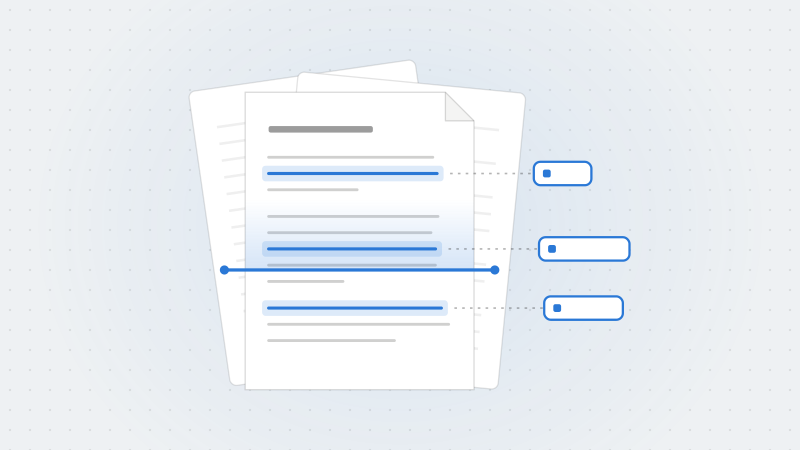
Arendt reviews UCITS fund prospectuses with AI agents
Luxembourg law firm Arendt & Medernach built AVA, a multi-agent AI platform that checks UCITS fund prospectuses against its own library of regulatory controls for its lawyers to review.
Arendt & MedernachLuxembourgLegal servicesIn production since Jul 2026
- Scenario
- Fund prospectus regulatory compliance review
- Business function
- Legal and compliance
- Kind of solution
- Document review and drafting
- Who built it
- Built with a partner
- Human oversight
- Assists people
- Organization
- Enterprise
- AI types
- Generative AI, Agentic AI, Document AI
tl;drArendt's AVA cuts UCITS prospectus reviews that can take lawyers weeks to mere days.See the results
Arendt & Medernach, a Luxembourg law firm specializing in investment funds, uses AVA (Arendt Visa Agent) to check UCITS fund prospectuses for regulatory compliance1. AVA splits each review among AI agents that test the prospectus against a library of atomic controls, and the firm’s lawyers assess the results2.
Arendt announced the launch of AVA in July 2026, after more than a year of testing1, 2. The tool cuts a UCITS prospectus review that can take lawyers weeks to mere days3.
Before the deployment
UCITS (Undertakings for Collective Investment in Transferable Securities) are the EU’s regulated retail investment funds. Reviewing a UCITS prospectus has long been one of the most demanding legal tasks in Luxembourg’s fund industry2.
- Scale of each document: A prospectus runs to hundreds of pages and multiple sub-funds, and must comply with thousands of pages of European and Luxembourg regulation2.
- Time: The review can take lawyers weeks3.
- Cost pressure: Fund managers, boards and service providers face pressure on the cost and timing of compliance-driven legal work1.
- Board liability: The directors of a SICAV are personally accountable for the accuracy and completeness of its prospectus1.
The regulator changed the process in April 2025. The CSSF (Commission de Surveillance du Secteur Financier) replaced its visa-stamping of fund prospectuses with an e-Identification system and a list of amendments that no longer need its prior approval4. The new approach puts the responsibility for compliant fund documentation on the funds’ governing bodies4.
What was built
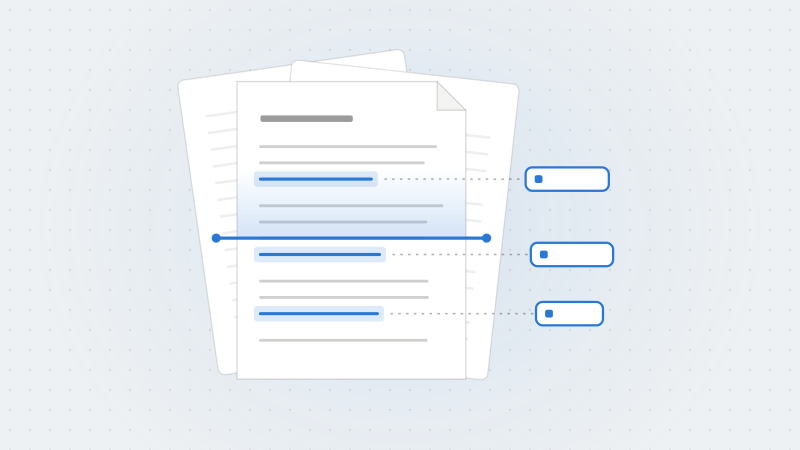
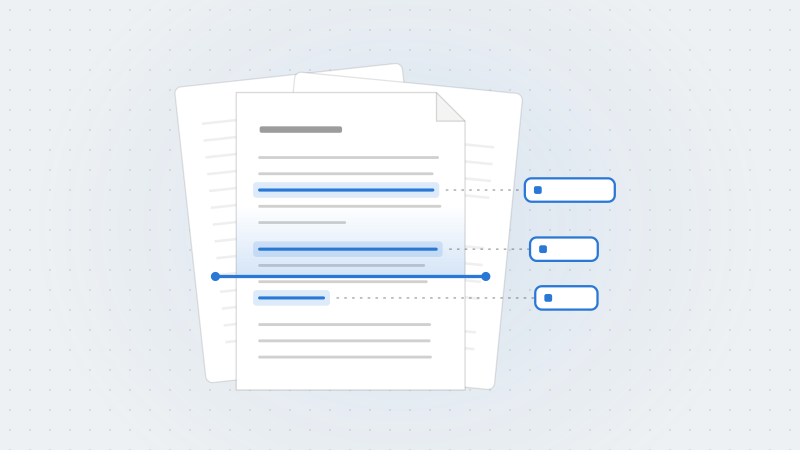
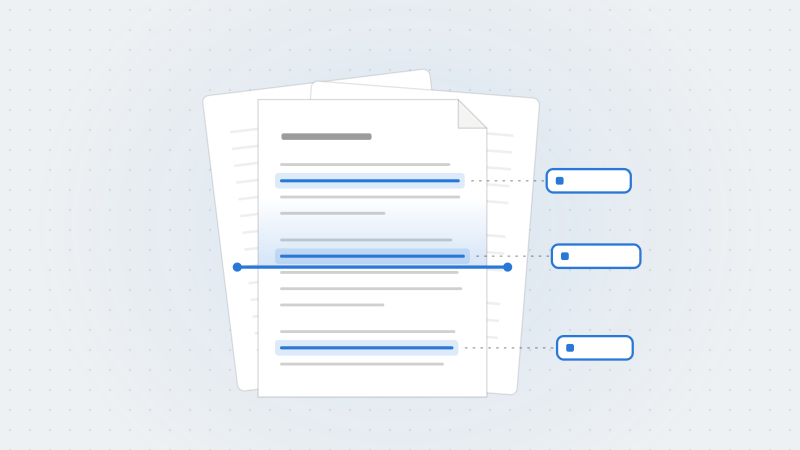
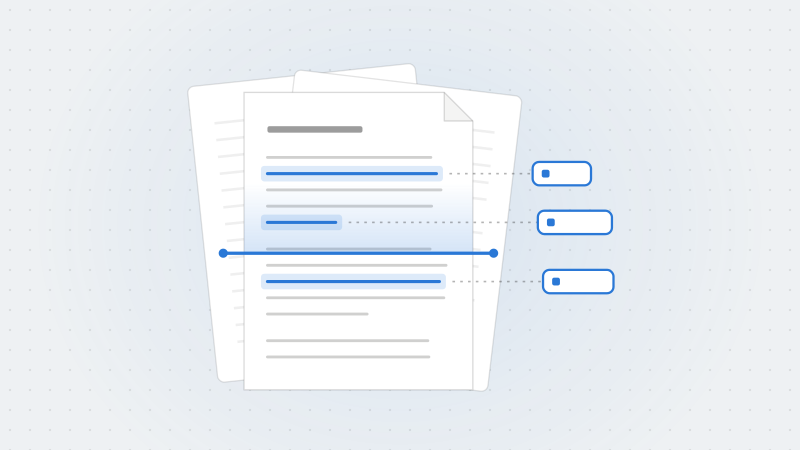
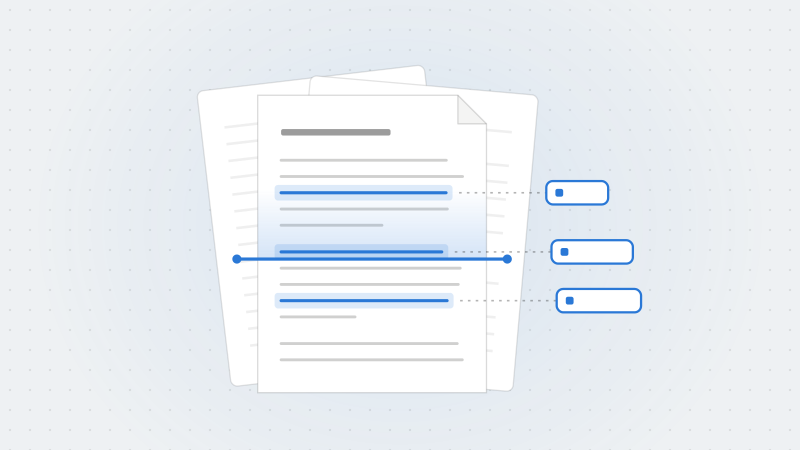
AVA is an AI compliance review platform built for UCITS prospectuses2. Arendt turned the UCITS disclosure obligations in more than 5,000 pages of legislation into approximately 1,500 atomic controls, which are binary compliance checks that the AI analyzes one at a time2. Agents, software and lawyers divide the work:
- AI agents: Identify the sub-funds, isolate the sections each control needs, test the controls, repeat the analysis for stability and audit the conclusions2.
- Compliance report: Sorts every finding as Compliant, Non-Compliant, Inconclusive or Not Applicable, so that lawyers focus on the points that need legal assessment1.
- Lawyers: Set the scope of each review, instruct and supervise the analysis, assess the results and judge the conclusions1.
- Governance committee: Partners, counsels, senior associates and associates oversee user feedback, regulatory interpretation and control updates1.
- Senior lawyers: Keep the final say on regulatory positions, including responses to new CSSF guidance1.
Where the client agrees, Arendt can issue a compliance certificate addressed to the fund’s board of directors, which the board can rely on1.
“The lawyer remains fully responsible for the final assessment. AI accelerates the review and strengthens consistency, but professional judgement remains essential.”
Alternatives considered
- A single large language model: The project started with one model, and that approach quickly proved insufficient2.
- An off-the-shelf solution: Arendt developed AVA in-house on its own legal knowledge and methodology instead, with a specialist AI technology partner that delivered the technical architecture1.
Rollout
- May 2025: Arendt presented its enhanced prospectus review service, built on a technological solution to assist with reviewing prospectuses, in a client webinar5.
- July 2026: Arendt announced the launch of AVA after more than a year of testing by experienced lawyers1, 2.
Technology and architecture
AVA is a multi-agent system, in which different AI agents perform specialised tasks2. The control library is the structure that the agents work through: the regulation broken into controls on one side, and the prospectus broken into the provisions each control tests, sub-fund by sub-fund, on the other2.
| Layer | What they used | Role | Source |
|---|---|---|---|
| Solution platform | AVA (Arendt Visa Agent) | Runs the compliance review of each UCITS prospectus and produces the compliance report | 1, 2 |
| Agent orchestration | Multi-agent architecture | Splits the review into specialised tasks, each run by its own AI agent | 2 |
| Task agent | Sub-fund identification agent | Identifies the sub-funds in a prospectus so that controls run sub-fund by sub-fund | 2 |
| Task agent | Section isolation agent | Isolates the sections each control needs, from about 500 pages to about 20 | 2 |
| Language model | Large language models | Test the isolated provisions against each atomic control, with the analysis repeated for stability | 2 |
| Checker model | Audit agent | Audits the conclusions against the firm’s internal standards and adds legal context | 2 |
| Knowledge content | Control library | Holds about 1,500 atomic, binary compliance checks built from UCITS legislation | 1, 2 |
| Review workbench | Compliance report | Lists each finding as Compliant, Non-Compliant, Inconclusive or Not Applicable for the lawyers | 1 |
Data inputs
- The prospectus: The UCITS prospectus under review, hundreds of pages long across multiple sub-funds2.
- The control library: About 1,500 atomic controls built from Arendt’s UCITS knowledge1, 2.
- Internal standards: The firm’s own standards, against which an agent audits the conclusions2.
How one prospectus flows through AVA
- Arendt’s lawyers determine the scope of the review1.
- An agent identifies the sub-funds in the prospectus2.
- A second agent isolates the relevant sections, which reduces roughly 500 pages to around 20 pages before the legal analysis begins2.
- Language model agents test the provisions against each atomic control. Additional agents repeat the analysis several times to improve stability2.
- An agent audits the conclusions against the firm’s internal standards and adds legal context where needed2.
- AVA generates a compliance report that sorts each finding into one of its four categories1.
- The lawyers assess the findings, concentrating on those that need legal assessment or further investigation1.
- Where agreed with the client, Arendt issues a compliance certificate to the fund’s board1.
Results
AVA went into use in July 2026 for Arendt’s UCITS prospectus compliance reviews1.
| Metric | Before | After | Scope and timeframe | Reported by |
|---|---|---|---|---|
| Time for a UCITS prospectus compliance review | Weeks | Mere days | UCITS prospectus reviews, at launch in July 2026 | Arendt, via Investment Officer, estimate3 |
| Prospectus text that reaches the legal analysis | Roughly 500 pages | Around 20 pages | One UCITS prospectus | Arendt, via Paperjam, estimate2 |
- Review time: A review that can take lawyers weeks takes mere days with AVA3.
- Pages in the legal analysis: The section isolation agent cuts the text that reaches the analysis from roughly 500 pages to around 20 pages per prospectus2.
Lessons learned
Breaking the regulation into atomic controls answered the core technical problem. In counsel Xavier Mangeard’s words, large language models “are not designed to process an entire Ucits prospectus in a reliable way,” and the control structure is what makes the analysis stable and auditable2.
A single model wasn’t enough. Mangeard said that the first tests with a single language model “simply weren’t consistent enough,” and that assigning specialised tasks to different agents improved both stability and accuracy2.
The AI doesn’t replace legal judgment. It can identify issues, but it can’t assess their relative importance in practice, so lawyers validate the conclusions and interpret the complex regulatory questions2. The controls also need ongoing work. A committee of partners, counsels and associates keeps them current with regulatory interpretation and new CSSF guidance1.
Arendt places the value in its legal knowledge rather than the AI. The firm says the innovation lies in turning decades of legal expertise into a structured review method, and that this expertise is what creates its advantage2.
The time and page figures are Arendt’s own, relayed by Investment Officer and Paperjam from the firm and its lawyers2, 3.
Case study scorecard
- weeks to mere days Time for a UCITS prospectus compliance review3
- around 20 pages Prospectus text that reaches the legal analysis2
Sources by publication date
- Organization 3
- Press, academic, and regulators 2
Build this solution yourself
Analysis
What you need
- Rules that break into binary checks: AVA works because Arendt turned more than 5,000 pages of legislation into about 1,500 controls that an agent can test one at a time2. You need specialists who can do that for your rule set.
- Experts who own every review: Lawyers scope, supervise and judge each AVA review, because the AI can’t weigh which issues matter1, 2.
- A body that keeps the controls current: Arendt’s committee updates the controls as regulators issue new guidance1. Check that you can staff that work after launch.
Reference architecture
Document review and drafting
A document review and drafting solution reads a case's documents against a written standard, precedents, or a list of questions and drafts a review, summary, clause, or report with its sources for an expert to finish. The solution pulls the case's documents, and a language model answers each question from the passages that bear on it, with its source. Fixed logic settles what must not vary, and an expert checks the draft against the sources and makes the decision.
- Source system
- Connector to the source system
- Review and drafting platform (documented in this case study)
- Text recognition
- Document preparation
- Passage index
- Access control
- Questions and templates
- Drafting model (documented in this case study)
- Private model endpoint
- Fixed logic
- Review workbench (documented in this case study)
- Reviewer feedback
- Tests on known cases
A check mark shows a building block that this case study's sources document.
Open the reference architectureOthers who built it
- Nationwide: How Nationwide uses generative AI to summarize claim notes. Nationwide's AI now summarizes the log notes of thousands of claims every week.
- Merck & Co.: Merck drafts clinical study reports in days with gen AI. First drafts of clinical study reports take three to four days instead of two to three weeks.
- Novo Nordisk: AI drafts clinical study reports in minutes at Novo Nordisk. NovoScribe cut clinical study report creation from 12 weeks to 10 minutes at Novo Nordisk.
- City of Corona: Corona, California speeds building plan review with AI. AI cut Corona's permit plan-review time by 97% across 20 permit types.
- City and County of Denver: Denver pre-screens permit applications with CivCheck AI. Denver's AI assistant now checks permit applications for missing information before submission.
- United States DOGE Service: Court strikes down DOGE's ChatGPT screening of NEH grants. A federal court struck down DOGE's ChatGPT-aided cancellation of more than 1,400 NEH grants.
Cite this case study
Enterprise AI Case Studies. "Arendt reviews UCITS fund prospectuses with AI agents." Updated Nov 25, 2026. https://case-studies.ai/case-studies/document-intelligence/DI-062-ucits-prospectus-review-arendt/
@misc{csai-di-062,
  author = {{Enterprise AI Case Studies}},
  title = {{Arendt reviews UCITS fund prospectuses with AI agents}},
  year = {2026},
  note = {Updated 2026-11-25},
  url = {https://case-studies.ai/case-studies/document-intelligence/DI-062-ucits-prospectus-review-arendt/}
}Sources
The following reporting, and every passage quoted from it, belongs to its publisher, not to this site. Sources and ownership
- Source 1:
Arendt Launches AVA, Its Proprietary AI-powered Prospectus Compliance Review Tool
Supporting excerpts (12)
announced the launch of AVA (Arendt Visa Agent), a proprietary, purpose-built AI solution designed for UCITS prospectus compliance review.
Developed in-house and built on Arendt's own legal knowledge and methodology, with the technical architecture delivered in close collaboration with a specialist AI technology partner
Fund managers, boards and other service providers face increasing pressure to manage the cost and timing of compliance-driven legal work
Rather than relying on an off-the-shelf solution
This knowledge has been structured, translated into a comprehensive library of controls and adapted for use within AVA's review framework.
Directors bear personal accountability for the accuracy and completeness of the prospectus
AVA is designed as a human-in-the-loop solution. Arendt's lawyers remain at the centre of every review: they determine the scope of the exercise, instruct and supervise the analysis, assess the results and exercise independent professional judgement on the conclusions.
AVA supports this process by structuring the review and generating a detailed compliance report. Its findings are categorised as Compliant, Non-Compliant, Inconclusive or Not Applicable, enabling lawyers to focus their review on the points requiring legal assessment or further investigation.
Where agreed with the client and appropriate in the circumstances, Arendt may issue a compliance certificate addressed to, and intended to be relied upon by, the board of directors.
A dedicated committee of partners, counsels, senior associates and associates oversees all aspects of the tool, including user feedback, regulatory interpretation, and control updates.
Clear protocols govern who reviews findings and when, and Arendt's senior lawyers keep ultimate arbitration authority on regulatory positions, including responses to new CSSF guidance.
The tool is always supervised by Arendt's professionals; AI remains a tool, not a decision-maker.
- Source 2:
At Arendt, AI enters Ucits compliance as regulation outpaces manual review
Supporting excerpts (23)
Reviewing a Ucits prospectus has long been one of the most demanding legal exercises in Luxembourg's fund industry.
Each document must comply with thousands of pages of European and Luxembourg regulation while remaining consistent across hundreds of pages and multiple sub-funds.
fund managers face growing pressure to deliver compliant documentation faster and at lower cost, without compromising legal certainty.
an AI-powered compliance review platform designed specifically for Ucits prospectuses
Our objective was not to replace legal judgement but to help clients manage growing regulatory complexity while maintaining the highest standards of consistency and quality
The innovation does not primarily lie in the artificial intelligence itself, but in the way decades of legal expertise have been translated into a structured review methodology.
Arendt identified the relevant Ucits disclosure obligation contained across more than 5,000 pages of legislation before converting them into approximately 1,500
binary compliance checks that AI can analyse individually.
Large language models are extremely powerful, but they are not designed to process an entire Ucits prospectus in a reliable way.
We therefore broke down both sides of the equation: the regulatory framework into approximately 1,500 atomic controls; and the prospectus itself, into the precise provisions that each control needs to test, sub-fund by sub-fund. That structure is what makes the analysis both stable and auditable
the project initially relied on a single large language model. According to Arendt, that approach quickly proved insufficient.
The firm instead developed a multi-agent architecture in which different AI agents perform specialised tasks.
One identifies the various sub-funds within a prospectus.
Another isolates only the relevant sections, reducing the review from roughly 500 pages to around 20 pages before the legal analysis even begins.
Additional agents repeat the analysis several times to improve stability, audit the conclusions against the firm's internal standards and provide additional legal context where necessary.
Our first tests with a single language model simply weren't consistent enough. By assigning specialised tasks to different AI agents – from identifying sub-funds to auditing the final result – we significantly improved both stability and accuracy
senior lawyers continue to define the review, validate the conclusions and interpret complex regulatory questions.
More than a year of testing and continuous governance by experienced lawyers are intended to ensure that the platform remains aligned with evolving regulatory expectations.
AI can identify issues, but it cannot assess their relative importance from a practical perspective.
The lawyer remains fully responsible for the final assessment. AI accelerates the review and strengthens consistency, but professional judgement remains essential.
Arendt believes regulators themselves will increasingly rely on artificial intelligence.
According to Arendt, that accumulated expertise – not the technology itself – is what creates the competitive advantage.
Arendt believes that, by the end of the decade, AI will handle much of the basic groundwork involved in prospectus reviews.
- Source 3:
Arendt launches AI tool to cut Ucits prospectus review times
Supporting excerpts (1)
The Luxembourg law firm Arendt has launched an AI tool to help review Ucits prospectuses for regulatory compliance, cutting a process that can take lawyers weeks to mere days.
- Source 4:
Supporting excerpts (3)
replacing as of April 2025 the current visa-stamping procedure via the introduction of a new
The main enhancement introduced by the modernised process is the establishment of a predefined list of amendments that do not require prior CSSF approval
the CSSF promotes an approach that emphasises the responsibility of funds governing bodies to ensure compliance with regulatory requirements for fund products and their related documentation.
- Source 5:
Cracking the code: the Arendt solution to prospectus review challenges
Supporting excerpts (2)
on 20 May from 1:00 PM to 1:45 PM CEST
how we can support you with our enhanced prospectus review service, using our technological solution designed to assist with reviewing prospectuses.













Comments
Start the conversation.
Invited members of the library comment here. Sign in to join the conversation.