

Corona, California speeds building plan review with AI
The City of Corona, California, worked with Blitz Permits on an AI model that reads building plans and flags missing items and errors for applicants and plan reviewers.
City of CoronaUnited States (Corona, California)Local and regional governmentIn production since 2025
- Scale
- More than 20 permit types
- Scenario
- Building permit application pre-screening
- Business function
- Legal and compliance
- Kind of solution
- Document review and drafting
- Who built it
- Built with a partner (Blitz Permits)
- Human oversight
- Assists people
- Organization
- Public sector
- AI types
- Generative AI, Computer vision, Document AI
tl;drAI cut Corona's permit plan-review time by 97% across 20 permit types.See the results
The City of Corona, California, uses Blitz AI to check building plans against its permit requirements before and during plan review2, 4. Applicants run a free AI prescreen of their plan sets, and city staff supervise automated checks across more than 20 permit types2, 4.
Corona and Blitz Permits built the tool together, and the city joined as an early adopter to help develop it3, 4. By April 2025, the model returned results within five minutes with an accuracy rate of 90%3.
In November 2026, Corona took first place in its population category of the 2026 Digital Cities Survey1. The award write-up credits AI with a 97% reduction in permit plan-review time across 20 permit types1.
Before the deployment
Residents and developers submitted building plans that Corona’s reviewers checked against hundreds of policies and requirements3. The work sat with the Building Division’s plan check staff, who also prescreened each submittal for missing items4.
- Getting a permit could take several weeks to several months, and sometimes more than a year3.
- Staff took up to 3 business days to prescreen plans after an application was submitted4.
- Applicants often sent incomplete applications to get into the queue sooner, and reviewers had to flag the errors and return them3.
- Staff and budget constraints left too few resources for incoming and backlogged permits3.
- California tasked local governments with creating 2.5 million new housing units by 20303.
Chris McMasters, the city’s chief information officer, called the permit delays a constant pain point3. The city has since reorganized IT to include a dedicated Data and AI Systems division1, 2.
What was built
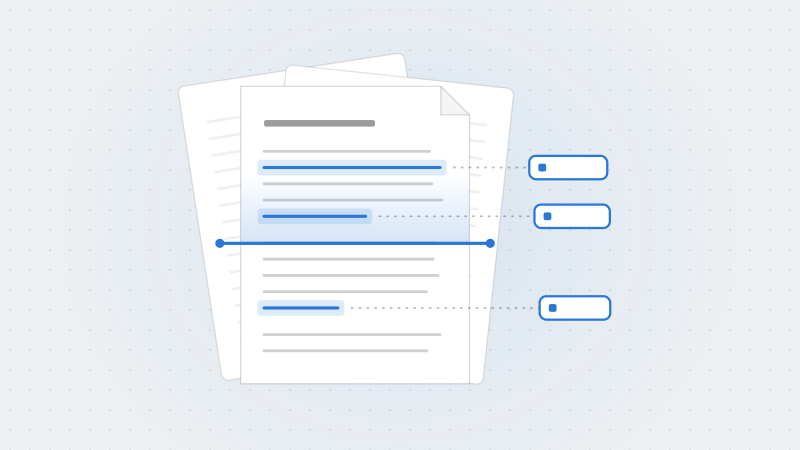
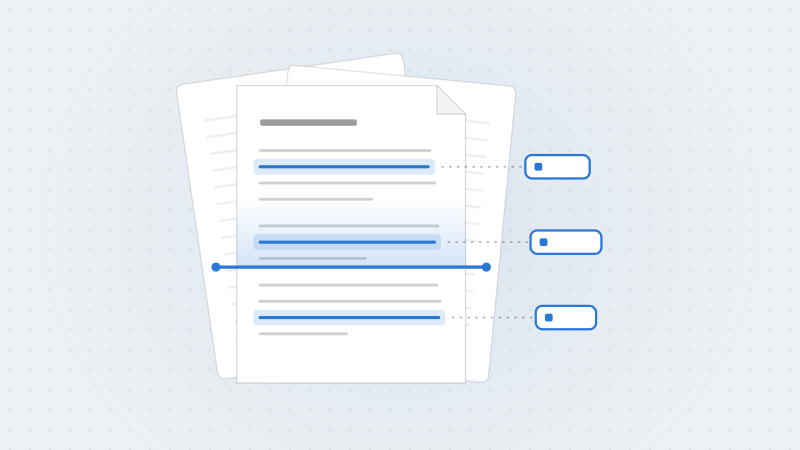
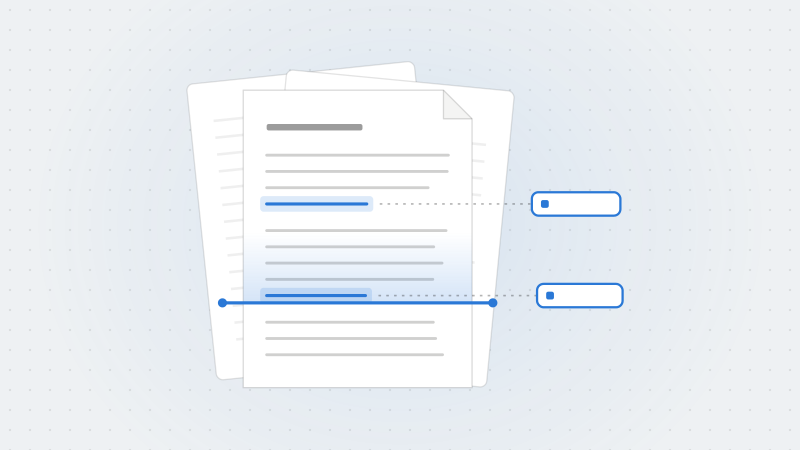
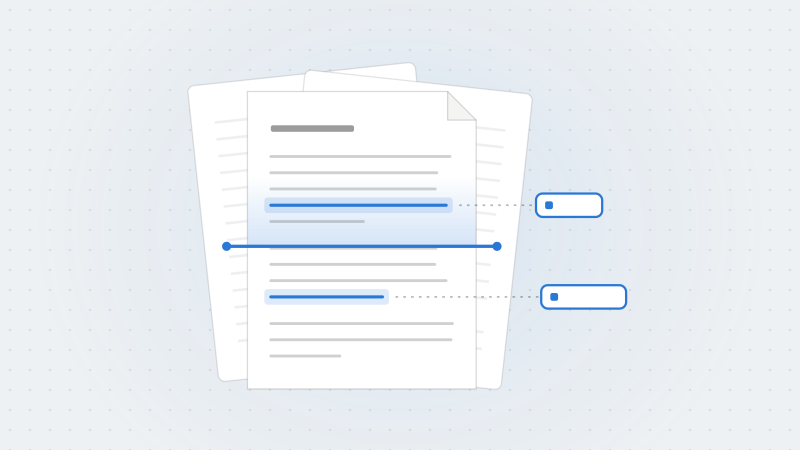
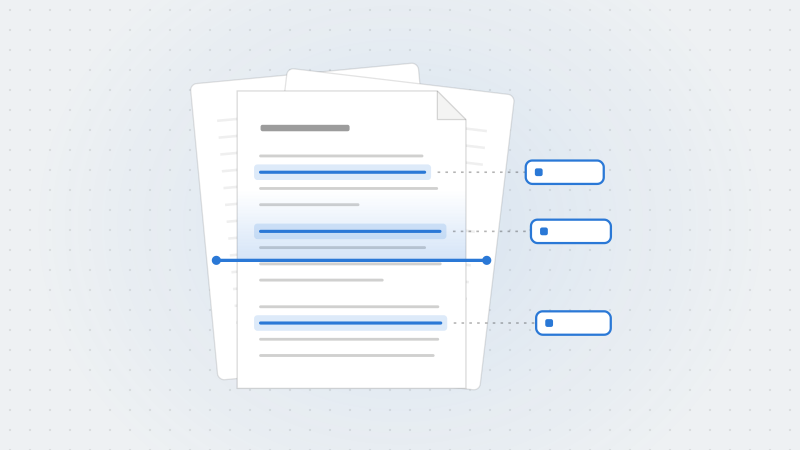
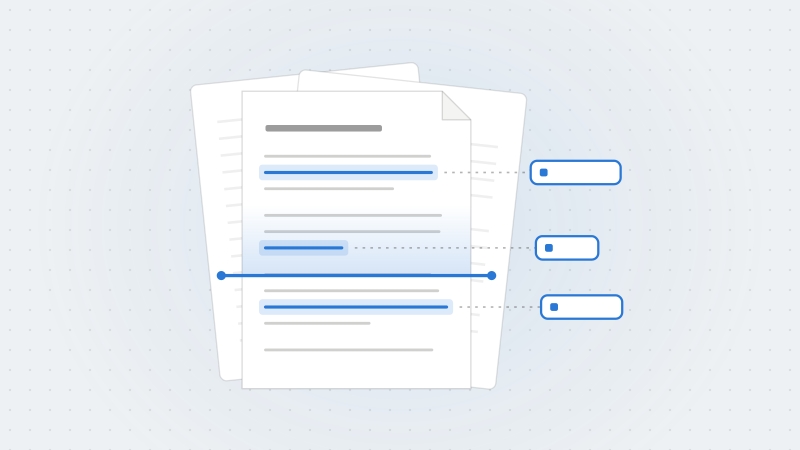
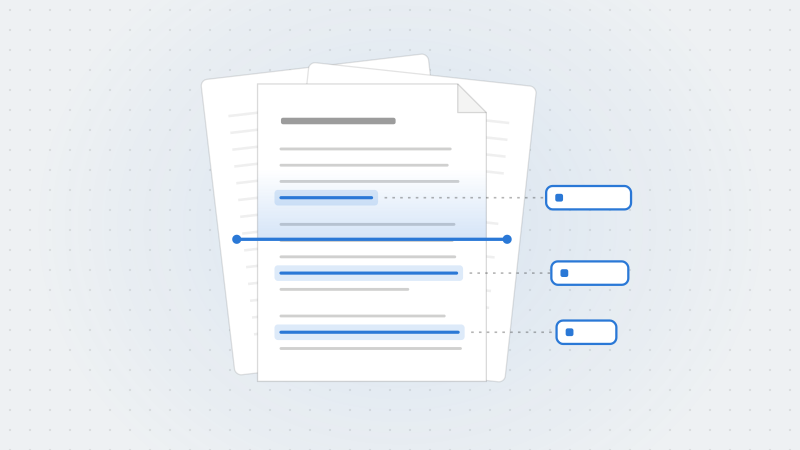
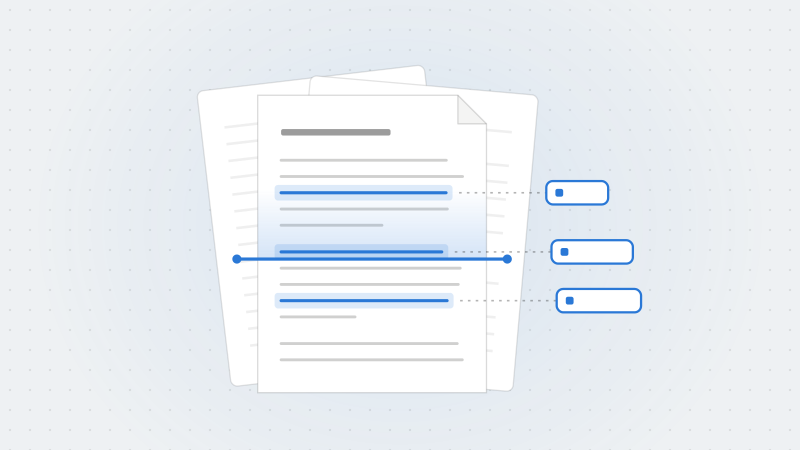
Corona and Blitz Permits developed an internal large language model that uses visual AI to check electronic permit documents for errors or missing data3. The model compares each document with the city’s housing and development policies, which were used to build and train it3. It can tell, for example, when the number of parking spots on an application doesn’t match city requirements3.
“you’re not telling it to create art, you’re just telling it to compare this against that”
The model, the portal, and two groups of staff divide the work:
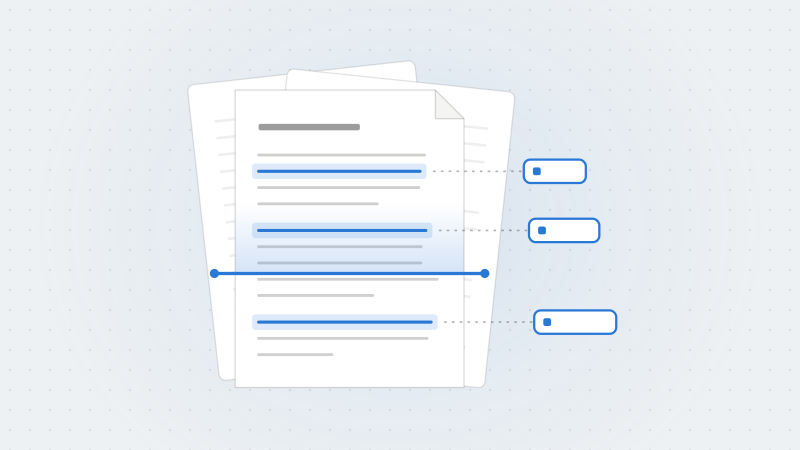
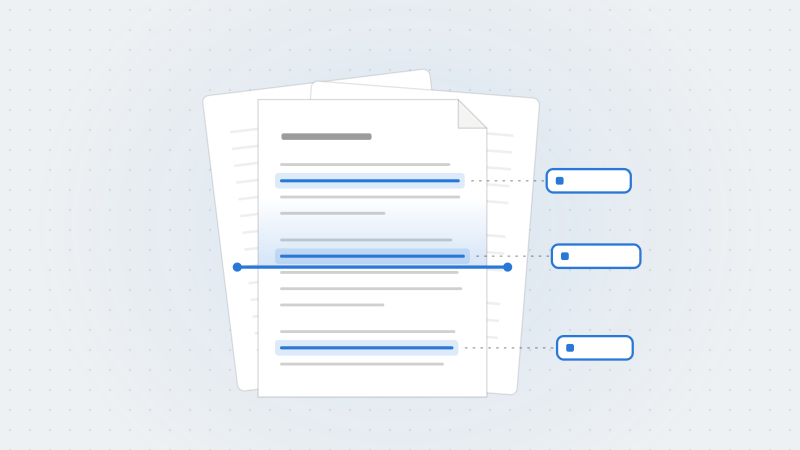
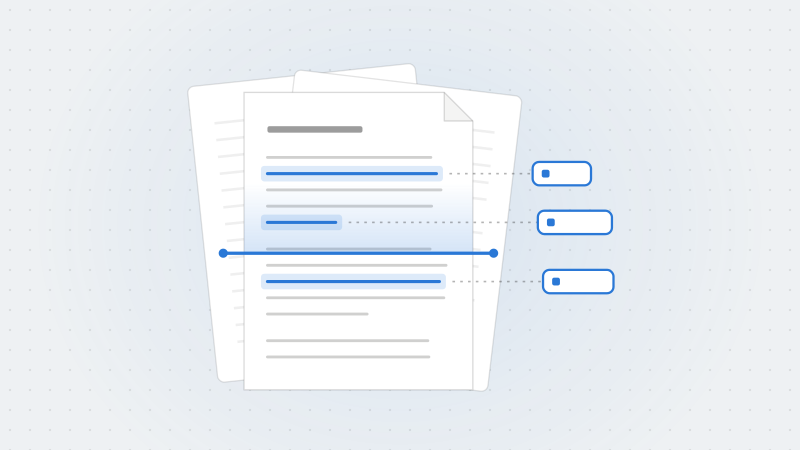
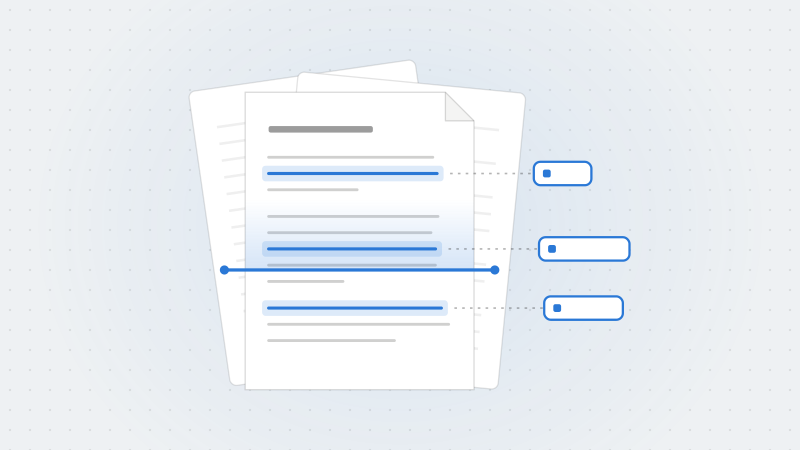
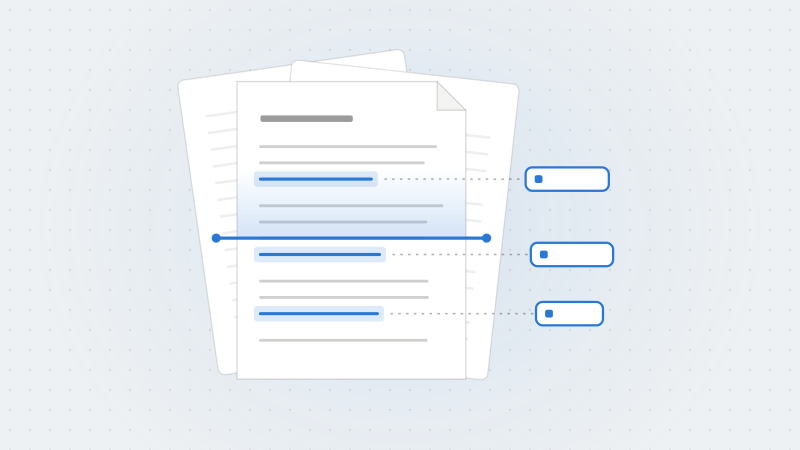
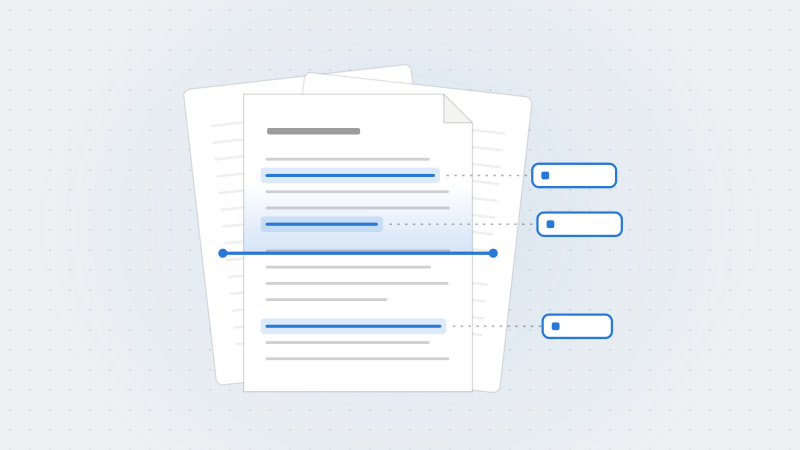
- AI model: Reads each plan set, checks it against the submittal requirements, and highlights checklist items that look missing3, 4.
- Prescreen portal: Lets applicants upload plans before they apply for plan check, at no cost, and returns a report of each checklist item4.
- Supervising staff: City employees supervise the automated checks and check the AI’s results2, 3.
- Plan check staff: Give the official prescreen comments and review code compliance in the formal plan check, which applicants start in eTrakit4.
The applicant prescreen covers six project types, from a New Single Family Dwelling to Commercial Electric Vehicle Charging Stations4. Each applicant gets 20 credits by default, each set of plans uploaded uses 5, and the city replenishes credits for free4.
Rollout
- April 2025: Blitz Permits announced the partnership with Corona to automate pre-checks and plan reviews5. The city was also developing the customer-facing component3.
- November 2026: The platform ran automated checks across more than 20 permit types2.
Technology and architecture
Blitz AI is a plan review platform with two products: one screens applications for completeness, and one assists reviewers with code-compliance diagnostics7. Its reports come back in minutes, with each finding tied to a specific code reference and sheet location7. In Corona, it runs the applicant prescreen and the automated checks that city employees supervise2, 4.
| Layer | What they used | Role | Source |
|---|---|---|---|
| Solution platform | Blitz AI | Plan review platform that runs the applicant prescreen and the automated checks city staff supervise | 2, 4, 5, 7 |
| Language model | Internal large language model with visual AI | Reads electronic permit documents and flags errors or missing data against city policies | 3 |
| Customer app or website | AI Prescreen Review portal | Lets applicants upload plan sets and returns a checklist report before they apply for plan check | 4, 6 |
| Reference data | Plan check submittal requirements | Checklists of required documents and plan details that the AI checks each plan set against | 4 |
Data inputs
- Plan sets: The electronic permit documents and plans that applicants upload or staff check3, 4.
- Submittal requirements: The plan check checklists that each plan set must meet4.
- City policies: The housing and development policies that were used to build and train the model3.
- Feedback: Applicant and staff feedback, which the city says makes the tool faster and more accurate4.
How one plan set flows through the prescreen
- The applicant adds a project with its name and address, and the portal scans the plan6.
- The portal deducts 5 credits for the set of plans uploaded4.
- The AI model analyzes the plans against the plan check submittal requirements4.
- The model highlights potential missing checklist items4.
- The portal returns a report that says whether each checklist item is in the plans4.
- The applicant submits the plans for plan check through eTrakit4.
- City staff give the official prescreen comments, and plan check staff review code compliance4.
Results
| Metric | Before | After | Scope and timeframe | Reported by |
|---|---|---|---|---|
| Reduction in permit plan-review time | Not disclosed | 97% | 20 permit types, November 2026 | GovTech, Digital Cities Survey 2026 write-ups, measured1, 2 |
| Accuracy of the AI’s output | about 60% | 90% | April 2025 | Chris McMasters, CIO of the City of Corona, via Route Fifty, measured3 |
| Time for the AI to return results | hours | within five minutes | April 2025 | Chris McMasters, CIO of the City of Corona, via Route Fifty, measured3 |
- Plan-review time: The 97% reduction covers 20 permit types in the November 2026 Digital Cities write-up1. The category write-up puts the reduction at as much as 97% across more than 20 permit types2.
- Accuracy: The share of the AI’s output that was correct rose from about 60% in early versions to 90% by April 20253.
- Time to results: Early versions took hours to generate an output, and by April 2025 the model returned results within five minutes3.
Lessons learned
The model improved across iterations. McMasters said the first versions were not great but still better than human-only reviews. He said the model keeps learning from the city’s documents, and grows more accurate the more data the city feeds it3.
The AI assists reviewers and doesn’t replace them. McMasters said humans are still needed to check over the AI’s results, and city employees supervise the automated checks2, 3.
The city states the limits of the applicant prescreen. Its page says the tool is in an introductory development and testing phase, might not screen for all submittal requirements, and might not be accurate or all inclusive4. Use is voluntary, and the prescreen doesn’t evaluate code compliance4.
The two GovTech write-ups state the headline result differently. One gives a 97% reduction across 20 permit types1. The other gives as much as 97% across more than 20 permit types2. The city’s applicant prescreen lists six project types4.
The 97% figure comes from the Digital Cities Survey write-ups, and the speed and accuracy figures are the CIO’s own, given in an interview1, 3. The press release’s claims about cutting review time describe the Blitz platform in general5.
The applicant prescreen answers a documented cause of delay. Applicants sent incomplete plans to get into the queue sooner, and the prescreen lets them find missing submittal requirements before staff spend up to 3 business days on a prescreen3, 4.
Case study scorecard
- 97% Reduction in permit plan-review time1, 2
- 90% Accuracy of the AI's output3
- within five minutes Time for the AI to return results3
- Source quality: 73%, High quality. Rests on a news report.
Sources by publication date
- Organization 1
- Vendors and partners 2
- Press, academic, and regulators 4
Build this solution yourself
Analysis
What you need
- A written checklist for each permit type: The prescreen checks plans against the city’s plan check submittal requirements, so you need a current checklist for every permit type you cover4.
- Your own policies and documents to train on: Corona’s model was built and trained on the city’s housing and development policies, and its accuracy grew with more documents3.
- Staff who own the official comments: City employees supervise the checks and give the official prescreen comments, so you need plan check staff with time for that role2, 4.
Reference architecture
Document review and drafting
A document review and drafting solution reads a case's documents against a written standard, precedents, or a list of questions and drafts a review, summary, clause, or report with its sources for an expert to finish. The solution pulls the case's documents, and a language model answers each question from the passages that bear on it, with its source. Fixed logic settles what must not vary, and an expert checks the draft against the sources and makes the decision.
- Source system
- Connector to the source system
- Review and drafting platform (documented in this case study)
- Text recognition
- Document preparation
- Passage index
- Access control
- Questions and templates
- Drafting model (documented in this case study)
- Private model endpoint
- Fixed logic
- Review workbench
- Reviewer feedback
- Tests on known cases
A check mark shows a building block that this case study's sources document.
Open the reference architectureOthers who built it
- Nationwide: How Nationwide uses generative AI to summarize claim notes. Nationwide's AI now summarizes the log notes of thousands of claims every week.
- Merck & Co.: Merck drafts clinical study reports in days with gen AI. First drafts of clinical study reports take three to four days instead of two to three weeks.
- Novo Nordisk: AI drafts clinical study reports in minutes at Novo Nordisk. NovoScribe cut clinical study report creation from 12 weeks to 10 minutes at Novo Nordisk.
- City and County of Denver: Denver pre-screens permit applications with CivCheck AI. Denver's AI assistant now checks permit applications for missing information before submission.
- United States DOGE Service: Court strikes down DOGE's ChatGPT screening of NEH grants. A federal court struck down DOGE's ChatGPT-aided cancellation of more than 1,400 NEH grants.
- Ulster County Sheriff's Office: Ulster County sheriff drops AI report drafting after pilot. The sheriff's office dropped Axon Draft One after a 90-day pilot that ended in October 2026.
Cite this case study
Enterprise AI Case Studies. "Corona, California speeds building plan review with AI." Updated Nov 27, 2026. https://case-studies.ai/case-studies/document-intelligence/DI-081-building-plan-prescreening-corona/
@misc{csai-di-081,
  author = {{Enterprise AI Case Studies}},
  title = {{Corona, California speeds building plan review with AI}},
  year = {2026},
  note = {Updated 2026-11-27},
  url = {https://case-studies.ai/case-studies/document-intelligence/DI-081-building-plan-prescreening-corona/}
}Sources
The following reporting, and every passage quoted from it, belongs to its publisher, not to this site. Sources and ownership
- Source 1:
Supporting excerpts (4)
In Corona, California, AI has helped cut permit plan-review time by 97%.
using AI to achieve a 97% reduction in permit plan-review time across 20 permit types
reorganizing IT and establishing a dedicated Data and AI Systems division, adopting a comprehensive technology policy suite
2026 Digital Cities Survey, which celebrates its 25th anniversary this year
- Source 2:
Digital Cities 2026: 125,000 to 249,999 Population Category
Supporting excerpts (3)
A prime example of this work comes in the form of the Blitz Permits platform, which uses the technology to reduce building plan reviews by as much as 97 percent.
The platform allows users to conduct automated checks across more than 20 permit types under the supervision of city employees.
The IT department was recently reorganized to include a Data and AI Systems division tasked with supporting emerging technologies and enterprise analytics
- Source 3:
California city turns to AI to meet housing goals
Supporting excerpts (19)
Residents and developers are constantly submitting building plans that have to undergo evaluation by reviewers who have to check those documents against hundreds of policies and requirements
chief information officer for Corona, California
That means obtaining a permit in Corona could take several weeks to several months, sometimes even stretching out to more than a year.
with staff and budget constraints, current resources to sift through the incoming and backlogged permit processes are
We see that as a constant pain point
In California, local governments have been tasked with creating 2.5 million new housing units by 2030, one million of which are supposed to be affordable.
you're not telling it to create art, you're just telling it to compare this against that
Corona officials have developed an internal large language model that leverages visual AI to check electronic permitting documents for errors or missing data
housing and development policies that were used to build and train the model
The tool can, for instance, distinguish if information on an application does not match city requirements, like the number of parking spots.
though still significantly better than human-only reviews
early versions of the AI tool could take hours to generate an output with about 60% accuracy.
But now, the tech can output results within five minutes with an accuracy rate of 90%.
It continues to learn against your documents
the more data we feed it.
The city is also developing a customer-facing component of the tool
Sometimes, for instance, people submit incomplete permit applications because they want their plans to get in the queue sooner.
Plan reviewers then have to flag any errors or empty fields and return it to the applicant before all parties can move forward with the process, further delaying progress.
humans are still necessary to check over the AI
- Source 4:
Supporting excerpts (22)
The City is partnering with Blitz AI to offer a voluntary Prescreen Review service to screen plans for minimum submittal requirements prior to applying for plan check.
This software is in an introductory development and testing phase and we need your help!
This prescreen review is not a plan check and does not evaluate code compliance.
Analyze the plans against plan check submittal requirements to ensure submittal requirements are present
Highlight potential missing checklist items required prior to plan check submittal
Provide a report of checklist items and whether or not the item is included in the plans
It can take up to 3 business days for staff to prescreen your plans after your application is submitted.
By using this tool before applying for plan check, you can identify missing submittal requirements in advance, helping you save time in the prescreen process.
delivering faster and more accurate results as the tool gains experience from feedback provided
where applicants are given 20 credits by default, and when plans are uploaded the credits are reduced by 5 for each set of plans uploaded.
If more credits are needed, applicants can request more and the credits will be replenished for free.
New Single Family Dwelling
Commercial Electric Vehicle Charging Stations
This tool is still in early development and may not screen for all submittal requirements at this early phase.
The City of Corona has partnered with this third-party software developer as an early adopter, to assist in the development of this revolutionary technology to help transform and benefit the entire industry.
Use of this tool is voluntary at this point and the city is asking for your help and feedback!
The official prescreen review comments will be provided by city staff.
To submit plans for review, please visit eTrakit
Plan review comments will be provided during the plan check process.
The report and comments provided by this tool may not be accurate or all inclusive.
Staff reserves the right to add or remove any prescreen requirements based on the submittal documents provided.
Have feedback? Let us know! Call or email us at the information below!
- Source 5:
City of Corona Leverages AI to Improve Housing Affordability by Automating Pre-checks & Plan Reviews
Supporting excerpts (4)
The City of Corona has partnered with Blitz Permits
This move will streamline development reviews, reduce permitting delays, and deliver faster service to residents and builders.
By combining pre-check automation with AI-driven code compliance, it slashes review time and increases efficiency.
Supporting PDF, CAD, and BIM formats
- Source 6:
AI Pre-Check and AI Plan Review Software for Local Governments
Supporting excerpts (4)
Adding a project is as easy as putting in the project name, adding the address
the plan is scanned and reviewed in seconds
It generates a check-by-check list of items.
Kyle Edgeworth Deputy CIO, City of Corona, CA
- Source 7:
Buyer's Guide: AI Tools for Building Permitting
Supporting excerpts (4)
Two products: one screens applications for completeness (missing
sheets, details, and errors) on day one, and one assists reviewers with code-
Reports come back in minutes, with each finding tied to a
specific code reference and sheet location.










Comments
Start the conversation.
Invited members of the library comment here. Sign in to join the conversation.