

GE Aerospace cuts engine record processing time with AI
At its Celma overhaul site in Brazil, GE Aerospace built an AI-enabled tool that collects the technical records each CFM56 engine shop visit requires.
GE AerospaceBrazilAerospace and defenseIn production
- Scale
- Each CFM56 shop visit at Celma
- Scenario
- Engine shop visit technical records collection
- Business function
- Field operations and maintenance
- Kind of solution
- Document extraction
- Who built it
- Built in-house
- Organization
- Enterprise
- AI types
- Document AI
- People served
- more than 30
- Sites
- five sites
tl;drRecord processing time for CFM56 shop visits at Celma fell by around 25% with the AI tool.See the results
GE Aerospace uses an AI-enabled tool at Celma, its largest maintenance, repair and overhaul (MRO) site, to collect the technical records that each CFM56 engine shop visit requires1.
The Celma team in Brazil developed the tool to accelerate the gains of FLIGHT DECK, the company’s lean operating model1, 3. It automates one of engine maintenance’s less visible steps2.
In October 2026, CEO Larry Culp said that the tool helped decrease record processing time by around 25%1.
Before the deployment
Celma overhauls engines in Brazil for airlines in other countries3, 4. Each CFM56 shop visit requires a set of technical records1. These figures describe the site and the pressure on it:
- About 30 international airlines depend on Celma to keep the CFM56, LEAP and other engines in service with as little turnaround time as possible3.
- The Celma operation has nearly 3,000 employees across five sites and serves more than 30 customers, mainly in the United States and Europe4.
- Lean work under FLIGHT DECK cut turnaround time in the CFM56 fan cell line by 32%, from 68 days in 2023 to 46 days3.
- GE Aerospace expects the LEAP installed base to more than double between 2025 and 2030, which raises the importance of maintenance capacity2.
The site uses FLIGHT DECK to diagnose its operational and transactional processes and to improve them3. The records step is a transactional process of that kind.
What was built
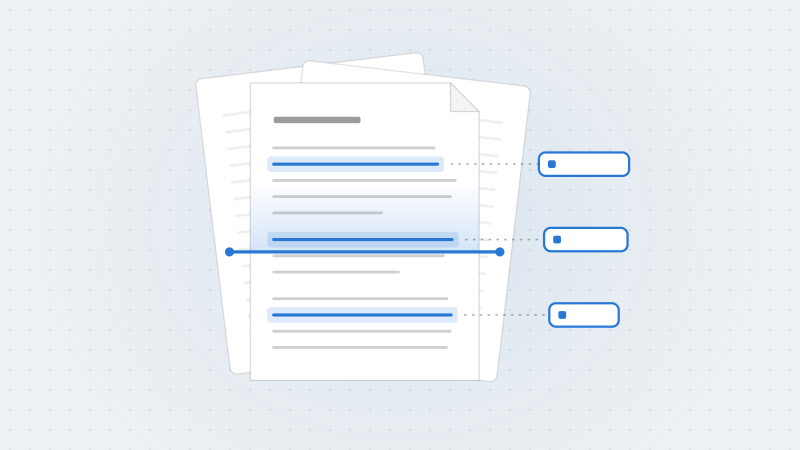
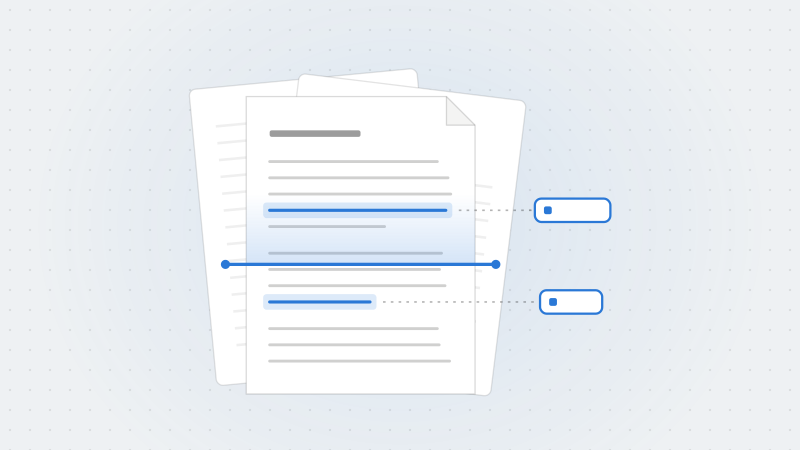
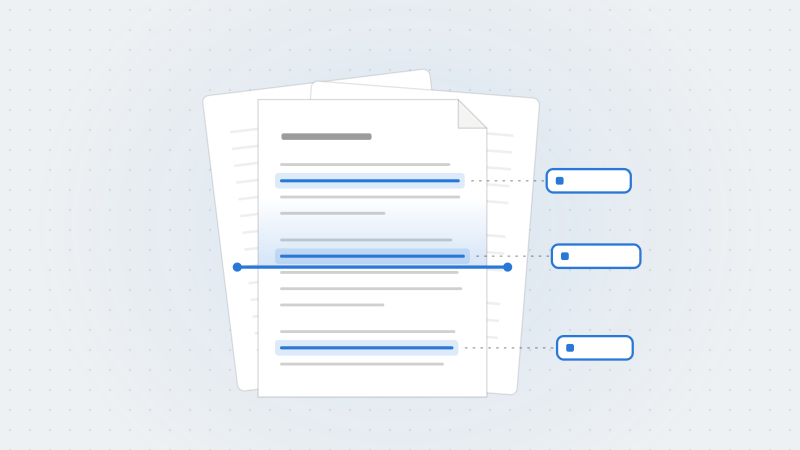
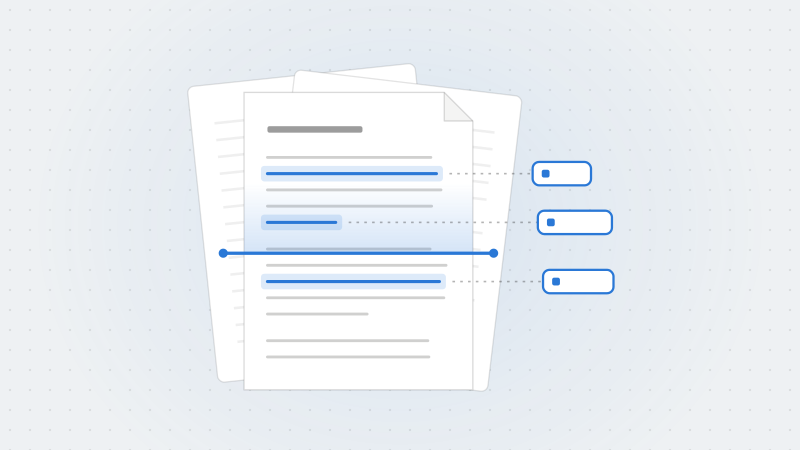
The tool automates the collection of technical records for each CFM56 shop visit, so that the records step takes less time1. It speeds up the processing of records, an administrative step within the larger maintenance process2.
- AI-enabled records tool: Collects the technical records that each CFM56 shop visit requires1, 2.
- FLIGHT DECK: GE Aerospace’s proprietary lean operating model, which the site uses to find and fix delays. The tool extends its gains1, 3.
- Celma team: Developed the tool at the site, and carries out the shop visit itself1, 3.
“The gains we’re driving with FLIGHT DECK are further accelerated with AI.”
Technology and architecture
The tool is an in-house application that the Celma team developed1.
| Layer | What they used | Role | Source |
|---|---|---|---|
| Solution platform | AI-enabled records tool | Automates collection of the technical records required for each CFM56 shop visit | 1, 2 |
Its input is the set of technical records required for each CFM56 shop visit1. The tool most likely reads these from the systems where the site keeps each engine’s documentation.
Results
| Metric | Before | After | Scope and timeframe | Reported by |
|---|---|---|---|---|
| Record processing time | Not disclosed | Down by around 25% | CFM56 shop visits at Celma, reported October 20, 2026 | GE Aerospace, measured1, 2 |
- Record processing time: The time to process the technical records for a CFM56 shop visit. Culp reported the decrease on the third-quarter 2026 earnings call in October 20261.
Culp named the tool as one of the actions across GE Aerospace’s network behind another quarter of record internal shop visit output1. Across that network, turnaround time fell by over a week since the end of 2025, and LEAP turnaround fell by two weeks1.
Lessons learned
The tool targets a step that repeats for every CFM56 shop visit, which gives the gain a clear unit of measure1. It builds on a site that already ran a lean routine for transactional processes3.
The 25% figure covers record processing, not the engine repair. Benzinga stressed that the figure applies to the records step, a specific administrative step within a much larger maintenance process, and not to a complete engine repair2.
Turnaround for airlines depends on more than records. Benzinga named parts availability, the scope of work and shop capacity as factors beyond repair processing, and called the tool one piece of a larger productivity effort2.
The network turnaround figures cover all of GE Aerospace’s actions, and Culp presented the tool as one of them1. The 25% figure is GE Aerospace’s own, from Culp’s prepared remarks, and Benzinga relayed it1, 2.
Case study scorecard
Sources by publication date
- Organization 3
- Press, academic, and regulators 4
Build this solution yourself
Analysis
What you need
- A records step that repeats for each unit of work: The tool collects the same kind of records for every CFM56 shop visit, so check that your records step has a defined scope that a tool can automate1.
- A measure for that step on its own: Celma reported the gain as record processing time, not as engine turnaround, so you need to time the records step before and after the change1, 2.
- An improvement routine around it: The site already used FLIGHT DECK to diagnose transactional processes, and GE presents AI as accelerating those gains1, 3.
Reference architecture
Document extraction
Document extraction reads the documents, forms, and images that an organization receives, sorts each one to its case, and turns it into structured fields for the business system that acts on it. Models read each document into fields, and ordinary software checks the fields against business rules and the organization's reference records. A reviewer compares the fields with the source before they reach the business system, or sees only the doubtful ones, and the corrections measure and improve the models.
- Document intake
- Document extraction platform (documented in this case study)
- Preparation
- Text recognition
- Extraction model
- Validation rules
- Reference records
- Workflow engine
- Review workbench
- Answer explanation
- Connectors
- Business system
- Corrections log
- Accuracy monitoring
A check mark shows a building block that this case study's sources document.
Open the reference architectureOthers who built it
- Carlyle Aviation Partners: The lessor tested GE Aerospace’s GenAI Assistant for maintenance records in a private preview in 20245.
- Active Partners: The firm adopted Soji AI’s platform, which it says reduces manual document search in aircraft records6.
- Airborne Capital: The asset manager partnered with an aviation AI platform for technical records review in its end-of-lease services7.
In the library
- Condé Nast speeds rights contract analysis with Claude Condé Nast
- Cargolux drafts cargo quotes from customer emails with AI Cargolux Airlines International
- Air France KLM Martinair Cargo uses AI to book and quote Air France KLM Martinair Cargo
- Pennsylvania's AI check cuts illegible benefit documents Pennsylvania Department of Human Services
- How Liberty Global matches supplier invoices with GenAI Liberty Global
- Parte embeds AI in property managers' email in 27 offices Parte
Cite this case study
Enterprise AI Case Studies. "GE Aerospace cuts engine record processing time with AI." Updated Nov 21, 2026. https://case-studies.ai/case-studies/document-intelligence/DI-045-engine-shop-visit-records-ge-aerospace/
@misc{csai-di-045,
  author = {{Enterprise AI Case Studies}},
  title = {{GE Aerospace cuts engine record processing time with AI}},
  year = {2026},
  note = {Updated 2026-11-21},
  url = {https://case-studies.ai/case-studies/document-intelligence/DI-045-engine-shop-visit-records-ge-aerospace/}
}Sources
The following reporting, and every passage quoted from it, belongs to its publisher, not to this site. Sources and ownership
- Source 1:
Q3 2026 General Electric Company earnings call transcript
Supporting excerpts (7)
The gains we're driving with FLIGHT DECK are further accelerated with AI.
At Celma, our largest MRO site, the team developed an AI-enabled
tool to automate collection of technical records required for each CFM56 shop visit.
This helped decrease record processing time by around 25%.
Actions like this across our network resulted in another quarter of record
internal shop visit output, with turnaround time down by over a week since the end of 2025, including LEAP now down two weeks.
OCTOBER 20, 2026 / 11:30AM, GE.N - Q3 2026 General Electric Company Earnings Call
- Source 2:
GE Aerospace Turns To AI To Ease Engine Maintenance Bottlenecks
Supporting excerpts (7)
GE Aerospace (NYSE:GE) has found a way to use artificial intelligence to speed up one of engine maintenance’s less visible steps: collecting technical records.
During GE Aerospace’s third-quarter earnings call, CEO Larry Culp said the company developed an AI-enabled tool at Celma, its largest maintenance, repair and overhaul (MRO) site, to automate the collection of technical records required for each CFM56 engine shop visit.
The tool cut processing time by about 25%
GE has not said the AI tool makes a complete engine repair 25% faster. It speeds up the processing of records needed during a shop visit — a specific administrative step within a much larger maintenance process.
although the actual impact depends on factors beyond repair processing, including parts availability, the scope of work and shop capacity.
The company said the LEAP installed base is expected to more than double between 2025 and 2030, increasing the importance of maintenance capacity as more engines enter service.
For investors, the AI tool is best viewed as one piece of a larger productivity effort, rather than a standalone revenue catalyst.
- Source 3:
Supporting excerpts (3)
About 30 international airlines depend on the employees at the Celma site to keep the CFM56* engine, the LEAP* engine, and others operating safely with as little turnround time (TAT) as possible.
a 32% TAT reduction in the CFM56 fan cell line — bringing it down from 68 days in 2023 to 46 days
We use FLIGHT DECK to diagnose how our operational and transactional processes are working and to reveal how they can be improved
- Source 4:
GE Aerospace's Celma location at 75: A legacy of excellence in Brazil, a future built for flight
Supporting excerpts (2)
Today, about 25% of GE Aerospace’s engine maintenance demand worldwide is supported by the Brazilian operation, which spans five sites in the cities of Petrópolis, Rio de Janeiro and Três Rios.
With nearly 3,000 employees, Celma performs maintenance and overhaul work on the CFM56*, CF6 and GEnx engine families and serves more than 30 customers worldwide, primarily in the United States and Europe.
- Source 5:
GE Aerospace Develops AI Maintenance Records Tool
Supporting excerpts (1)
Over the summer, lessor Carlyle Aviation Partners tested GenAI Assistant in a private preview, with initial results showing that the tool could save what GE says is multiple hours of work.
- Source 6:
Soji AI, Active Partners exploring AI for MRO records
Supporting excerpts (2)
Their decision to adopt our platform reflects a broader shift in the industry
This collaboration with Soji does not simply digitise documents, it reduces manual document search and accelerates records by surfacing inconsistencies earlier.
- Source 7:
MRO Memo: Could AI Speed Up Lease Transitions?
Supporting excerpts (1)
Asset manager Airborne Capital is stepping up its commitment to end-of-lease services by partnering with an aviation-focused artificial intelligence (AI) platform for technical records review.













Comments
Start the conversation.
Invited members of the library comment here. Sign in to join the conversation.