
HCA Healthcare drafts nurse shift handoffs with Google AI
HCA Healthcare and Google Cloud built Nurse Handoff, an app that drafts the shift report from the patient's chart, so nurses check and finish it at the bedside instead of assembling it from memory and paper.
HCA HealthcareUnited StatesHospitals and health systemsIn production since Sep 2026
- Scale
- Eight pilot hospitals plus 15 more Florida hospitals from September 2026; a plan for about 100 hospitals reported in November 2026
- Scenario
- Nurse shift handoff summaries
- Business function
- Clinical care
- Kind of solution
- Document review and drafting
- Who built it
- Built with a partner (Google Cloud)
- Where it runs
- Public cloud
- Human oversight
- Assists people
- Organization
- Enterprise, 100,000 employees or more
- AI types
- Generative AI
- Sites
- 15 additional Florida hospitals
tl;drNurses at eight pilot hospitals rated the AI-drafted handoff reports 97% accurate.See the results
HCA Healthcare uses Nurse Handoff, an app it built with Google Cloud, to draft the nurse shift handoff report from the patient’s chart2, 4. The two nurses switching shifts check and finish the draft together at the bedside4.
After about three years of testing and pilots, the tool reached 15 more Florida hospitals in September 20267. In November 2026, a newsletter summarizing a Becker’s Hospital Review report described HCA’s plan to take it to about 100 hospitals over the next two months1.
In pilots at eight hospitals, nurses rated the drafts 97% accurate and 95% helpful4. A 2025 study of the tool indicated an 83% reduction in safety events related to shift handoff5.
Before the deployment
HCA nurses work 12-hour shifts, so every patient changes hands twice a day, and the handoff report is the main thing that passes between them3. Nurses often completed it with a clipboard at the bedside2. It rested on what the outgoing nurse remembered of the shift’s events, conversations and data points, which left room for error and inconsistency2, 9.
The old process had the following costs and problems:
- Volume: Nurses repeated the handoff around 60,000 times a day across HCA, and 24 million times a year2, 4.
- Time: A nurse at an HCA facility typically spent about 40 minutes on the handoff for a shift, which HCA estimates at 10 million hours a year across its nurses2, 3.
- Fragmented records: Nurses spent minutes navigating fragmented electronic health record (EHR) screens to piece together the patient’s story4.
- Variation: Each nurse judged what mattered, so reports varied and details could be left out5. In 2023, the process was manual and time-consuming, with varying levels of detail8.
- New nurses: HCA hired about 12,000 new nurses in 2023, and for a novice the handoff can be an intimidating process9, 2.
The idea came from the nurses. HCA’s Digital Transformation and Innovation department (DT&I) surveyed them, and the handoff came out as a top area to improve2. Generative AI could process both the structured and the unstructured parts of the EHR, which made the handoff a natural fit2. HCA framed the work primarily as a quality initiative, about the accuracy and consistency of what gets passed on4.
What was built
Nurse Handoff reads the patient’s chart and generates an automated shift report5. The report holds a summary of the encounter from admission to the present, a timeline of care and significant events, and handoff data such as assessments, laboratory results and imaging5.
Michael Schlosser, HCA’s senior vice president and chief transformation officer, who runs DT&I, wanted a system that would “organize information like a nurse and figure out key pieces of information that it needs to extract from the chart”2.
The work is divided as follows:
- Language model: Google’s generative models draft the report from the chart, with citations to the chart entries behind the content2.
- Nurse Handoff app: Shows the draft on a hospital-issued phone, with the EHR on one side of the screen and the AI output on the other2, 3. Nurses arrange the screen with drag-and-drop widgets2.
- Outgoing nurse: Reviews and edits the draft before passing it on, and adds notes during the shift9, 2.
- Both nurses: Review, edit and finalize the report together in real time, in front of the patient, who can ask questions4. HCA calls the practice “caring out loud”4. The nurses remain in control of the handoff and of their clinical decisions7.
Whitney Staub-Juergens, DT&I’s vice president of transformation operations, tied the widgets to adoption: “It’s really important for adoption that we give the nurse a sense of, ‘this is my assistant.’”2
Development with nurses
Nurses shaped the model as much as the screen, through the following work:
- Responses: HCA’s product team collected more than 7,000 responses from nurses at four facilities in three divisions5.
- Draft reviews: Early testers, among them Samantha Hall, a registered nurse at TriStar Hendersonville Medical Center in Tennessee, marked what was unnecessary, repetitive, inaccurate or missing in the drafts2, 3.
- Prompt and template changes: The team fed the model the information nurses want to know, prompted it in many ways and rebuilt its templates around their answers. The cycle ran three or four times2.
- Interviews and observation: During alpha testing, teams interviewed and observed nurses to capture their concerns and expectations, then changed the product4.
“Nurses were able to spend less time digging through the charts and having to recall details at the end of the shift. The AI handoff tool helped them organize all the necessary information in one place.”
The work ran out of HCA’s Innovation Hubs, hospitals staffed with engineers who work directly with caregivers2. The first hub was UCF Lake Nona Hospital in Orlando, where frontline nurses and Google Cloud developed Nurse Handoff7. The tool isn’t an off-the-shelf product5.
Rollout
The tool spent about three years in testing and pilots, on medical-surgical (med-surg) units, before the wider rollout to Florida hospitals8, 6, 7. The team started on med-surg units because narrowing the use cases helped ensure the foundation model gave reliable results, with more complex care areas to follow2.
The 2023 version read the previous 12 hours of a patient’s data, and Schlosser called it a proof-of-concept stage13. Over 2024, DT&I and Google Cloud’s healthcare solutions team built and tuned the app that became Nurse Handoff3.
In July 2025, the plan was a version for all 99,000 nurses in the system after the pilot2. In July 2026, HCA still called the tool beta-tested. If results continue to hold, it plans to scale Nurse Handoff across its 100,000 nurses4.
Technology and architecture
Nurse Handoff integrates directly with the EHR and produces concise summaries of the patient’s current status4. The app feeds the summaries, with the full record, to widgets on the nurse’s HCA Mobile Heartbeat configured iPhone4. Everything runs within a highly secure cloud environment, to keep patient information confidential2.
The model has been named twice. In March 2024, MedLM, Google’s medically tuned model family, wrote the drafts9. In July 2025, Becker’s Hospital Review reported that the tool used Google’s MedLM models12. In September 2026, a UCF Lake Nona Hospital release described the tool as an agentic AI system that organizes information from the patient’s EHR into a concise shift report7.
The team built three things around the model, as K.C. DeShetler, the registered nurse who is product owner for Nurse Handoff, describes them2:
- Prompts: Feed the model the information nurses want to know2. In 2023, the prompts steered the model toward medication changes, laboratory results, vital sign fluctuations, patient concerns and the patient’s overall response to treatment8.
- Retrieval-augmented generation (RAG): Looks up the relevant chart entries and uses them to attach citations to what the model writes2.
- Templates: Lay the information out the way nurses asked for it, so every report has the same structure2. The structure answers the variation between reports, because HCA meant the tool to standardize the language of the bedside shift report5.
The following table lists the parts of the solution.
| Layer | What they used | Role | Source |
|---|---|---|---|
| Language model | MedLM | Drafted the handoff summary in the 2024 and 2025 pilots | 9, 12 |
| Prompt and context management | Prompts and handoff templates | Steer the model and set the report’s structure | 2, 8 |
| Solution platform | Nurse Handoff | HCA’s app that generates and presents the shift report | 2, 4, 5 |
| Review workbench | Side-by-side review screen | EHR beside the AI output, with drag-and-drop widgets | 2, 3 |
| Mobile or field app | HCA Mobile Heartbeat configured iPhone | Shows the summary widgets at the bedside | 4, 7 |
| Cloud platform | Google Cloud | Runs the models in a secure environment | 2, 8 |
Data inputs
The model draws on the following data from the EHR and from the nurses:
- Clinical notes: The model drafts the summary of the encounter from admission to date from the patient’s notes2, 5.
- Orders, tests and other clinical information: The model draws them from the record into the report2, 7.
- Assessments, laboratory results and imaging: The report presents them as pertinent handoff data5.
- Nurses’ own notes: Nurses add them to the automated shift report during the shift, so the report keeps building2.
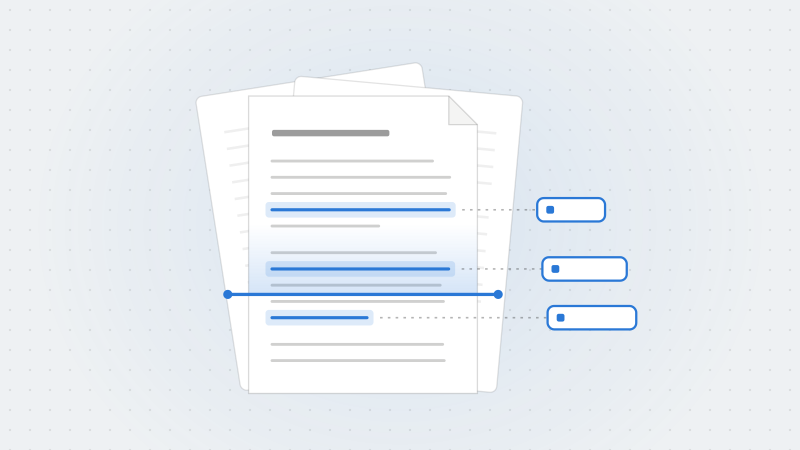
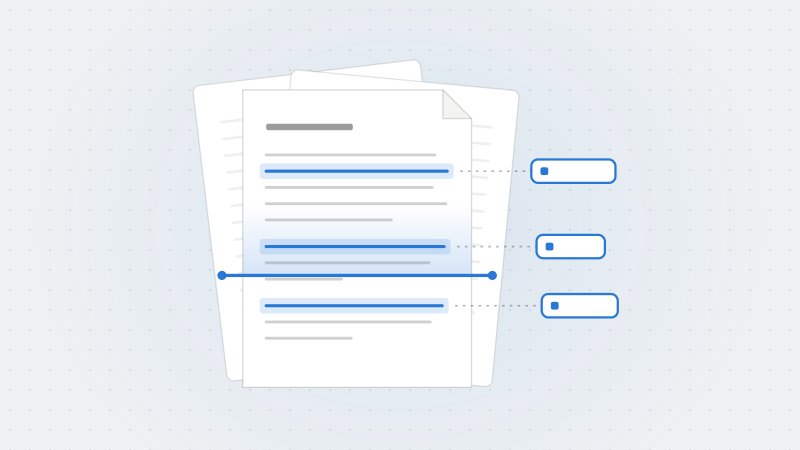
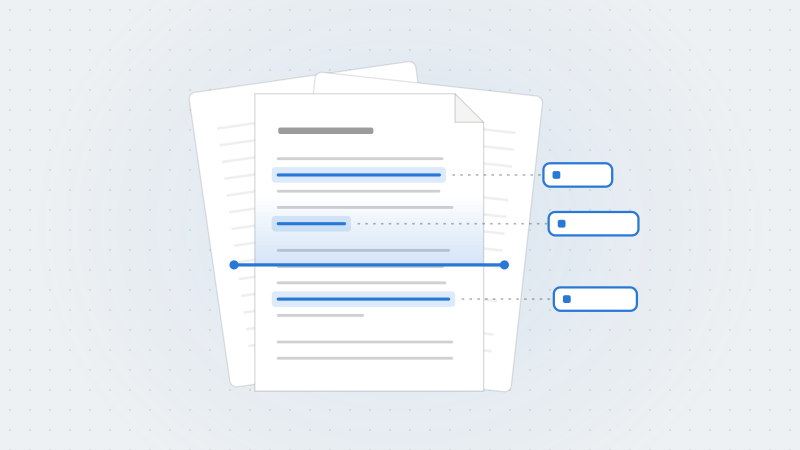
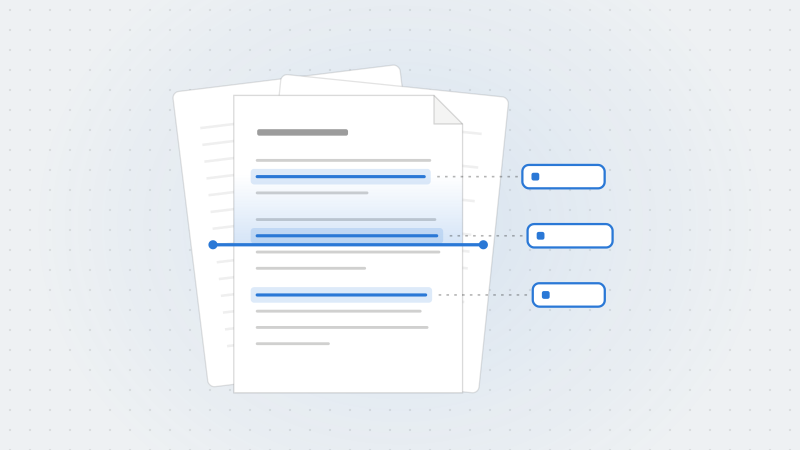
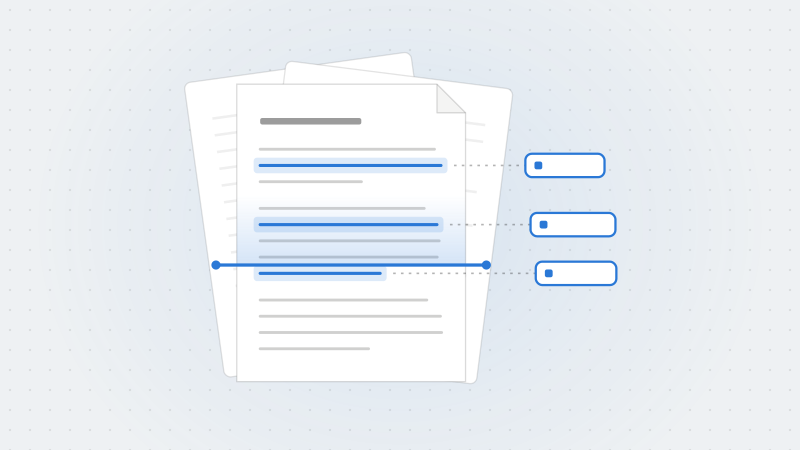
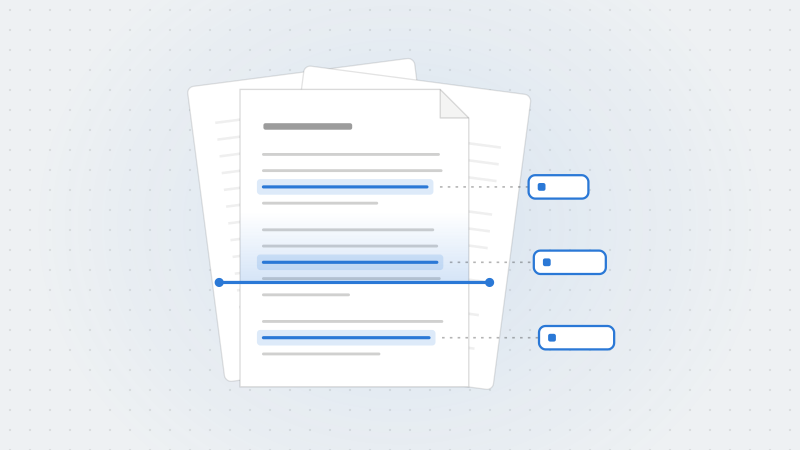
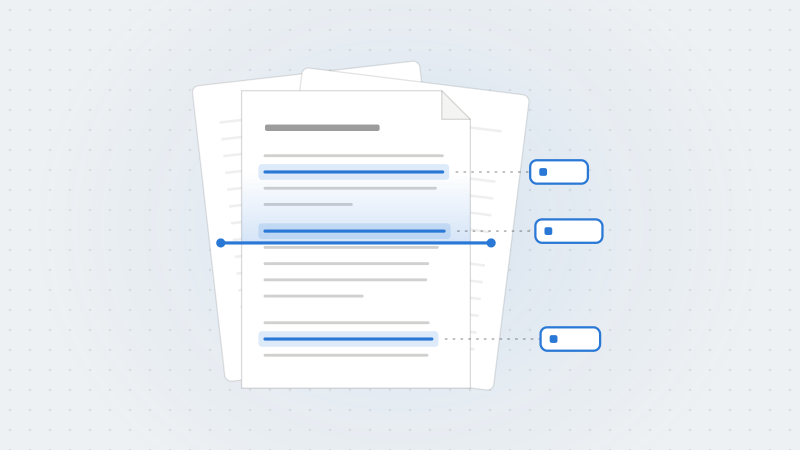
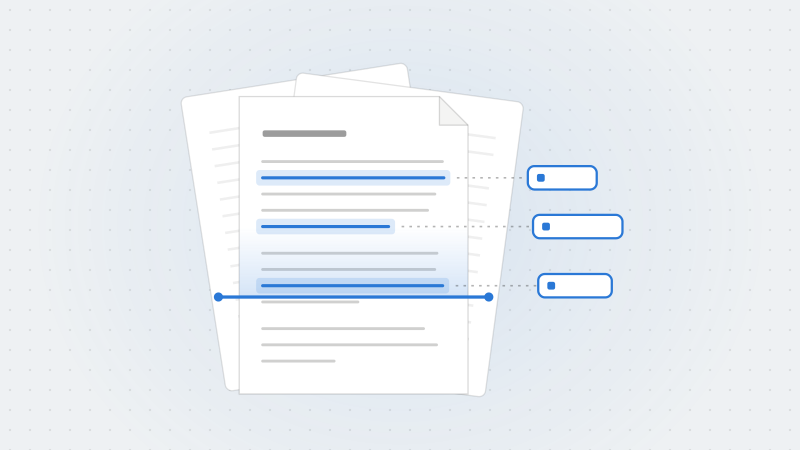
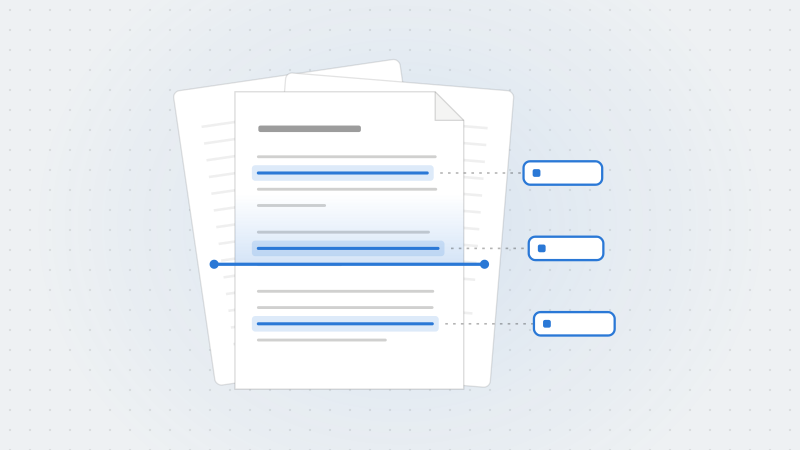
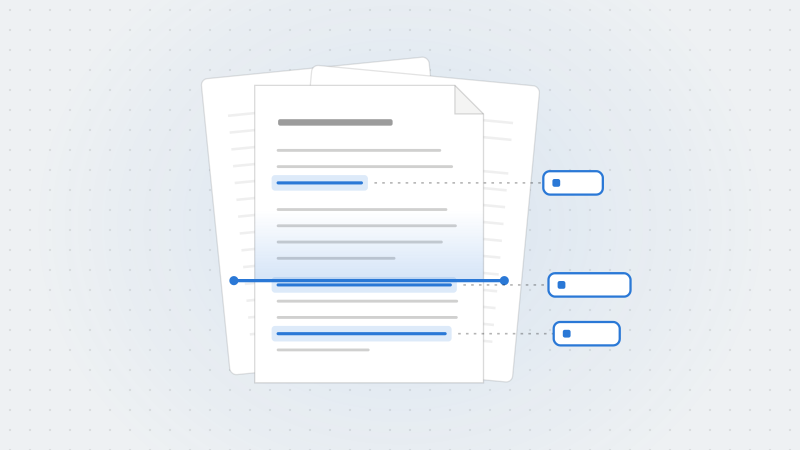
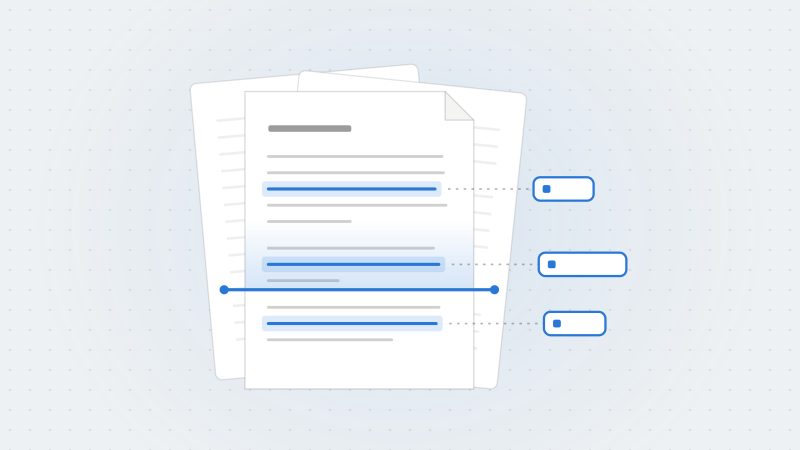
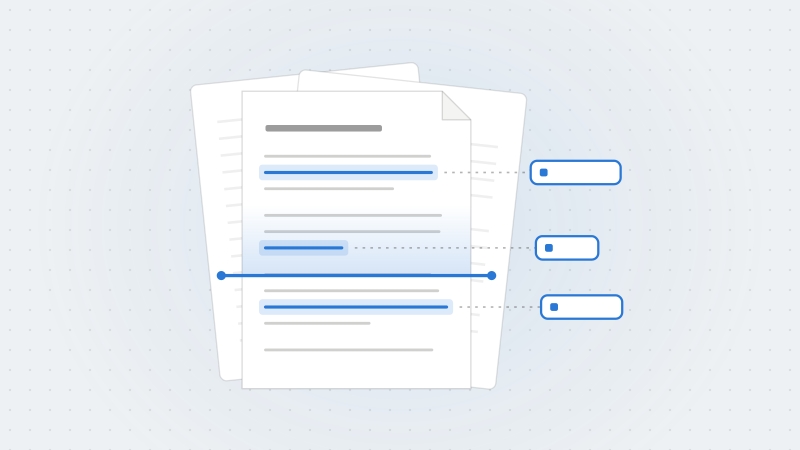
How one handoff flows through the system
For one patient, the report builds across a 12-hour shift and closes at the bedside when the incoming nurse arrives3, 4.
Results
The following table lists the results of the pilots and of the 2025 study2, 4, 5.
| Metric | Before | After | Scope and timeframe | Reported by |
|---|---|---|---|---|
| Nurse rating of accuracy and helpfulness | Not disclosed | 97% accurate, 95% helpful | Pilots at eight hospitals, reported July 2026 | HCA Healthcare, pilot4 |
| Safety events related to shift handoff | Not disclosed | 83% reduction | 2025 study of the tool | HCA Healthcare, pilot5 |
| Key performance indicator rating across five measures | Not disclosed | 95% | 2025 study of the tool | HCA Healthcare, pilot5 |
| Nurse rating of factuality and helpfulness | Not disclosed | 86% factual, 90% helpful | One pilot hospital, reported July 2025 | Google Cloud, pilot2 |
| Time to complete the handoff | Approximately 40 minutes per shift | Not disclosed | HCA facilities before the tool | Google Cloud, estimate2 |
The metrics measure the following:
- Nurse ratings: The nurses who used the tool rated its drafts, first at one facility in 2025 and then across the eight pilot hospitals by July 20262, 4.
- Safety events: The 2025 study counted safety events related to shift handoff5. In November 2026, a newsletter summarizing a Becker’s Hospital Review report quoted Schlosser as saying handoff-related safety events and near misses “basically have gone to zero in our pilot sites”1.
- Key performance indicator rating: Combines factuality, coverage, coherence, conciseness and helpfulness, from the same 2025 study5.
- Pilot benefits: HCA lists reduced preparation time, higher confidence in shift transitions and fewer communication-related near misses, as efficiency gains beside the quality aim4.
- Adoption: New graduate nurses were particularly eager to use the tool, and said they feel more supported, confident and prepared2. By March 2026, the pilots had strong participation and high engagement6.
Lessons learned
Building the tool with nurses worked. Nurses picked the problem, reviewed the drafts and reshaped the output, and the pilot grew from one hospital to eight before the wider rollout began2, 6, 7. HCA’s own lesson is that early engagement, iterative testing and strong leadership support are as vital as the technology itself4.
Two design choices answer the risks of the task. Citations tie each statement to the chart, and the record sits beside the draft on the same screen, so a nurse can check a claim without leaving the app2.
The model wasn’t useful out of the box. Testers went through the review process three or four times before the drafts lost their filler, and HCA was still fine-tuning the model and the interface during the five-hospital pilot2, 3. The ratings describe the tool after that work.
Scope is a second limit. In 2024, HCA expected that ICUs and labor and delivery would take extra development, because their handoffs are done differently9. HCA meant to adapt and monitor its data sets in more complex care areas, and every unit in the pilot as late as March 2026 was a med-surg unit2, 6.
Every result comes from HCA or Google, and the independent pieces that mention them repeat the companies’ numbers2, 4, 5, 12. The fullest account, Schlosser’s paper, first appeared in a peer-reviewed management journal, but it’s by HCA’s own executive and was supported by HCA4. His near-zero remark comes from a newsletter’s summary of a Becker’s Hospital Review report1.
The ratings measure whether a draft looked right to the nurse who read it, which isn’t the same as checking each summary against the chart. The 2025 figure is 86% “factual” in Google’s posts and 86% “accurate” in Becker’s Hospital Review2, 12. The sources also disagree on the start, because Google dates the work to early 2024 and HCA and Google’s release had a tool in testing in August 20232, 8.
Case study scorecard
- 97% accurate Nurse rating of summary accuracy4
- 83% reduction Safety events related to shift handoff5
- 86% factual Nurse rating of summary factuality2
Sources by publication date
- Organization 6
- Vendors and partners 3
- Press, academic, and regulators 4
- 1 undated
Build this solution yourself
Analysis
What you need
To build this solution the way HCA did, you need the following in place:
- An EHR that the tool can integrate with directly: The app draws notes, orders and tests from the record and shows the full record beside the draft2, 4.
- A secure cloud environment for patient data: The models run in a highly secure cloud environment that keeps patient information confidential, on a Google Cloud partnership from 20212, 8.
- Nurses with time to review drafts, and engineers close by: Testers reviewed the drafts three or four times, and engineers in the same hospitals acted on what they said2.
- A bedside handoff with both nurses present: The two nurses finalize the draft together in front of the patient, which gives the draft a natural place to be checked4.
Reference architecture
Document review and drafting
A document review and drafting solution reads a case's documents against a written standard, precedents, or a list of questions and drafts a review, summary, clause, or report with its sources for an expert to finish. The solution pulls the case's documents, and a language model answers each question from the passages that bear on it, with its source. Fixed logic settles what must not vary, and an expert checks the draft against the sources and makes the decision.
- Source system
- Connector to the source system
- Review and drafting platform (documented in this case study)
- Text recognition
- Document preparation
- Passage index
- Access control
- Questions and templates (documented in this case study)
- Drafting model (documented in this case study)
- Private model endpoint
- Fixed logic
- Review workbench (documented in this case study)
- Reviewer feedback
- Tests on known cases
A check mark shows a building block that this case study's sources document.
Open the reference architectureOthers who built it
- Mercy: By February 2026, its nurses, with Epic’s Art assistant drafting end-of-shift notes, had cut documentation time from 3.5 minutes per note to about 32 seconds10.
- Houston Methodist: By May 2025, it had run a pilot of Pieces Technologies software to produce real-time patient summaries that guide handoffs at shift change11.
In the library
- How Nationwide uses generative AI to summarize claim notes Nationwide
- Merck drafts clinical study reports in days with gen AI Merck & Co.
- AI drafts clinical study reports in minutes at Novo Nordisk Novo Nordisk
- Corona, California speeds building plan review with AI City of Corona
- Denver pre-screens permit applications with CivCheck AI City and County of Denver
- Court strikes down DOGE's ChatGPT screening of NEH grants United States DOGE Service
Cite this case study
Enterprise AI Case Studies. "HCA Healthcare drafts nurse shift handoffs with Google AI." Updated Nov 18, 2026. https://case-studies.ai/case-studies/document-intelligence/DI-014-nurse-shift-handoff-summaries-hca/
@misc{csai-di-014,
  author = {{Enterprise AI Case Studies}},
  title = {{HCA Healthcare drafts nurse shift handoffs with Google AI}},
  year = {2026},
  note = {Updated 2026-11-18},
  url = {https://case-studies.ai/case-studies/document-intelligence/DI-014-nurse-shift-handoff-summaries-hca/}
}Sources
The following reporting, and every passage quoted from it, belongs to its publisher, not to this site. Sources and ownership
- Source 1:
Supporting excerpts (3)
Becker’s Hospital Review reporter Kelly Gooch describes HCA’s plan to expand its Google-developed nurse handoff system to approximately 100 hospitals over the next two months
chief clinical officer Michael Schlosser saying handoff-related safety events and near misses
basically have gone to zero in our pilot sites
- Source 2:
How nurses are charting the future of AI at America's largest hospital network
Supporting excerpts (34)
nurses repeat the same task around 60,000 times
Nurse handoffs, which are often completed using a clipboard at the patient’s bedside
It typically takes a nurse at HCA Healthcare facilities approximately 40 minutes to complete the handoff for their shift.
This adds up to an extraordinary 10 million hours in aggregate per year for all HCA Healthcare nurses.
When the team surveyed HCA Healthcare nurses, the nurse handoff process was identified as a top area that could be improved.
Traditionally, nurses rely upon their recollection of events, conversations, and data points, leaving room for error and inconsistency in the information given during handoff.
HCA Healthcare built two Innovation Hubs in its hospitals staffed by engineers who work directly with caregivers.
HCA Healthcare’s Digital Transformation & Innovation department started working on the Nurse Handoff tool with Google Cloud in early 2024.
used retrieval augmented generation to identify citations for the generated content, provided templates for organizing information the way we want
shows nurses the electronic health record on one side and the AI-generated output on the other
Using a hospital-provided mobile device, nurses are able to easily review and add information throughout their shift.
This can include relevant patient data from notes, orders, tests, and more.
All this happens within a highly secure cloud environment, to keep patient information confidential.
We went through that process three or four different times
And each time, it became a little bit more accurate, a little less filled with fluff that we don't need.
Using drag and drop widgets, nurses can arrange the user interface
The team started with acute care medical surgical units, because narrowing the use cases helped ensure the foundational model was delivering reliable results.
Our new graduate nurses have been particularly eager to use the new tool
HCA Healthcare’s goal is to pilot the nurse handoff solution in five hospitals, gather additional feedback, then prepare the version they’ll roll out for use by all 99,000 nurses working across their system.
feedback from nurses at one HCA Healthcare facility have rated it as 86% factual and 90% helpful.
explains Samantha Hall, a registered nurse at TriStar Hendersonville Medical Center
Given the amount of information involved in nurse handoffs, this seemed like a natural place to deploy technology that could quickly ingest, analyze, and query information in a natural, conversational way.
With its ability to process structured and unstructured elements of the EHR, generative AI appears to be the perfect foundational technology.
nurses can easily find the information they and their peers have collected through the automated shift report and add their own notes, so the system keeps building
Google’s gen AI foundation models, running within the Nurse Handoff app, can ingest, analyze, and develop a cohesive and concise view of pertinent patient information for the oncoming nurse for handoff.
We wanted to train a large language model system to organize information like a nurse and figure out key pieces of information that it needs to extract from the chart, then organize them in an intelligent way that the oncoming shift could easily consume
notes Dr. Michael Schlosser, senior vice president and chief transformation officer in charge of DT&I
We fed the model the information nurses want to know, prompted the model in a multitude of ways
noted K.C. DeShetler, a registered nurse who is also the product owner for Nurse Handoff on the DT&I team
It’s really important for adoption that we give the nurse a sense of, ‘this is my assistant.’
said Dr. Whitney Staub-Juergens, vice president of Transformation Operations, DT&I
telling us they feel more supported, more confident, and more prepared to perform what can typically be an intimidating process for a novice nurse
They could then expand to more complex care areas in the hospital, adapting and monitoring the data sets accordingly.
The more we worked with it and provided our feedback, the more useful it became for the handoff setting.
- Source 3:
Can AI save nurses millions of hours of paperwork?
Supporting excerpts (7)
The notes are a main part of the patient handoff that happens when nurses change shifts every 12 hours.
Over the course of 2024, HCA Healthcare’s Digital Transformation and Innovation (DT&I) department worked with Google Cloud’s healthcare solutions team to build and optimize a new AI-powered app, called Nurse Handoff.
HCA Healthcare is currently piloting Nurse Handoff in five of its hospitals, gathering feedback and continuing to fine tune both its AI model and the user experience.
reviewed the model’s output to highlight what was unnecessary, repetitive, inaccurate or missing
the 10 million hours that HCA Healthcare estimates they collectively spend each year on these paper-based tasks
The approach they settled on shows nurses a familiar electronic health record on one side of the screen and an AI-generated output on the other.
Hall, the nurse from Tennessee, was among a group of early testers
- Source 4:
HCA Healthcare's strategic approach to scaling artificial intelligence
Supporting excerpts (20)
which occur 24 million times annually in HCA healthcare hospitals
nurses often spend valuable minutes navigating fragmented electronic health record (EHR) systems to piece together a complete patient story
Currently Beta tested at eight hospitals, the platform integrates directly with the EHR, generating concise, context-aware summaries of the patient’s current status alongside their full record that is fed to widgets on the nurses’ HCA Mobile Heartbeat configured iPhone.
The nurses switching shifts can review, edit and finalize information together in real time
The exchange takes place in front of the patient, so the patient can also ask questions, known internally as ‘caring out loud’.
During alpha testing, teams conducted interviews and observations to capture concerns and expectations
Early pilots at eight hospitals have shown strong promise: nurses rated the tool 97% accurate and 95% helpful.
the project was designed primarily as a quality initiative
focused on improving accuracy and consistency of communication during shift changes
pilots have also demonstrated meaningful efficiency gains
Reported benefits included reduced preparation time, higher confidence in shift transitions and fewer communication-related near misses.
If results continue to hold, HCA Healthcare plans to scale Nurse Handoff across its 100,000 nurses.
across 189 hospitals with 138,000 clinicians
Dr. Mike Schlosser, Senior Vice President and Chief Transformation Officer, HCA Healthcare
to create Nurse Handoff, a generative AI-powered tool that streamlines and standardizes the process
then iterated the product based on this feedback
addressing universal industry challenges requires pairing innovation with robust change management; early engagement, iterative testing and strong leadership support are as vital as the technology itself
This article was originally published in Management in Healthcare: A Peer-Reviewed Journal, Volume 10, Issue 4 in June 2026
This research was supported (in whole or in part) by HCA Healthcare and/or an HCA Healthcare-affiliated entity.
It has a workforce of more than 300,000 employees, which includes 100,000 nurses.
- Source 5:
Purpose: HCA Healthcare Magazine, Spring/Summer 2026
Supporting excerpts (11)
Because this process relies on individual judgment, it can create variation and increase the risk of omitted information.
HCA Healthcare’s product development team worked with nurses across four facilities and three divisions, collecting more than 7,000 responses.
The tool generates an automated shift report, including a consolidated summary of a patient’s encounter from admission to current date, and a timeline detailing the progression of care and significant events throughout a patient’s encounter.
the tool presents pertinent handoff data such as assessments, laboratory results and imaging
In 2025, a study of the Nurse Handoff tool indicated an 83% reduction in safety events related to shift handoff and a 95% key performance indicator rating for factuality, coverage, coherence, conciseness and helpfulness.
Nurses were able to spend less time digging through the charts and having to recall details at the end of the shift. The AI handoff tool helped them organize all the necessary information in one place.
says Gladys Dushane, ACNO, HCA Florida Lake Monroe Hospital
So many times, nurses are given tools that they use but never had any input on
an opportunity to use large language models, or LLMs, to support nursing operations and standardize the language used during the bedside shift report process
the introduction of MEDITECH’s Expanse electronic health record platform
The tool isn’t an off-the-shelf product.
- Source 6:
Supporting excerpts (2)
Nurse Handoff has been piloted in eight hospitals across more than 40 medical surgical units.
Early adoption is promising, with strong participation and excitement leading to high engagement rates with the tool.
- Source 7:
UCF Lake Nona Hospital nurses help shape the future of AI-supported patient care
Supporting excerpts (12)
Sept 24 2026 – HCA Healthcare nurses at UCF Lake Nona Hospital have helped develop and pilot Nurse Handoff
For more information about healthcare innovation at HCA Healthcare, visit our Integrating clinically led technology to enhance patient care – HCA Healthcare Impact Report.
About UCF Lake Nona Hospital
Nurse Handoff expanded to 15 additional Florida hospitals this month
Developed with frontline nurses and Google Cloud at HCA Healthcare’s first Innovation Hub at UCF Lake Nona Hospital
The tool uses an agentic AI system to organize specific information from a patient’s electronic health record into a concise shift report for the incoming nurse.
Nurses remain in control of the handoff and their clinical decisions.
Using a hospital-provided secure mobile device, nurses can review information from notes, orders, tests and other clinical information
Frontline nurses have been integral to the tool’s development, helping determine what information is most useful, how it should be organized and how the technology fits into the nursing workflow.
Having nurses help shape Nurse Handoff means it is built around how we actually care for patients.
said Jessica Bailey, a registered nurse and division vice present of nursing operations for HCA Healthcare’s North Florida Division
nurse handoffs occur approximately 24 million times each year
- Source 8:
HCA Healthcare Collaborates with Google Cloud to Bring Generative AI to Hospitals
Supporting excerpts (8)
part of a strategic partnership announced in 2021
its multi-year implementation of MEDITECH Expanse in 2022
HCA Healthcare’s CT&I team built a system using one of Google Cloud’s large language models (LLMs) that helps automatically generate handoff reports
Prompts were carefully designed to guide the LLM toward prioritized details, such as medication changes, laboratory results, vital sign fluctuations, patient concerns, and overall response to treatment.
Currently, the nurse handoff tool is undergoing continued testing at UCF Lake Nona Hospital.
Typically, this important process is manual and time-consuming, and often provides varying levels of detail.
while saving nurses significant time and maintaining human oversight
During initial beta testing, HCA Healthcare collected nurse feedback to further refine the tool.
- Source 9:
HCA Healthcare pilots Google AI to aid handoff documentation
Supporting excerpts (7)
Nurses at two southern HCA Healthcare hospitals are testing out Google’s generative artificial intelligence (AI) technology
review the MedLM-created breakdown and make edits to it before transferring
relies on the nurse’s recollection of events and conversations
currently only used in med-surgical (med-surg) units
It’ll take a little development work to go to other units, like to ICUs or labor and delivery, because the way they do handoff is a little different.
does 400,000 handoffs a week
the system hired about 12,000 new nurses in 2023
- Source 10:
Nurses write notes 85% faster with Epic AI
Supporting excerpts (1)
At Mercy, one of the 15 largest health systems in the U.S., average end-of-shift documentation time fell from 3.5 minutes per note to about 32 seconds
- Source 11:
From paper to AI: Houston Methodist's journey to smarter patient handoffs
Supporting excerpts (2)
Houston Methodist kicked off a pilot program using generative AI to produce real-time patient summaries
The hospital uses software produced by Dallas-based Pieces Technologies
- Source 12:
How HCA and Google built a nurse-approved AI tool
Supporting excerpts (3)
The tool integrates with EHRs and uses Google’s MedLM models to generate concise, AI-assisted shift summaries.
It is currently being tested in five hospitals within the HCA system.
At one HCA hospital, nurses rated the tool as 86% accurate and 90% helpful.
- Source 13:
HCA, Google roll out generative AI project
Supporting excerpts (3)
a generative AI platform digests data about a patient from the previous 12 hours — such as vital sign changes, medication adjustments and lab work — to create a summary and care plan for the incoming nurse
The handoff tool is currently in the "proof-of-concept stage," Dr. Schlosser said
HCA's AI platform is not storing or learning from its patients' data, and humans are always involved in the process, Dr. Schlosser said.












Comments
Start the conversation.
Invited members of the library comment here. Sign in to join the conversation.