
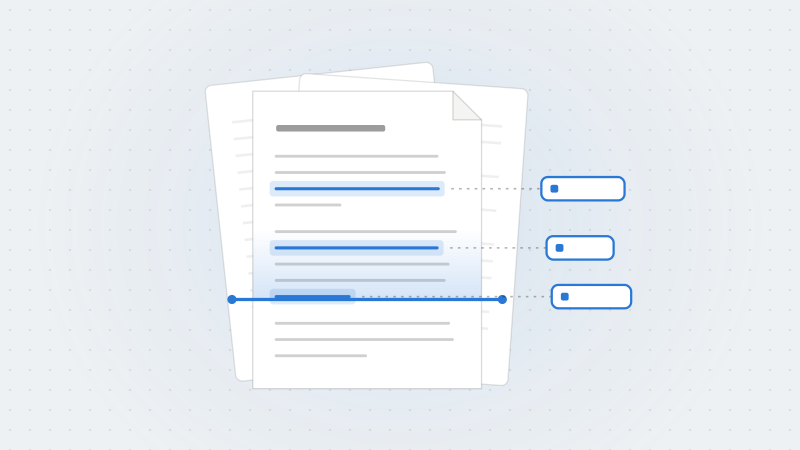
How Medlitix cut clinical record review to minutes with AI
Medlitix, which reviews medical records for prior authorization, utilization review and appeals, now has long-context language models on UiPath draft cited summaries that its clinicians check.
MedlitixNorth AmericaOutsourcing and staffingIn production
- Scale
- Hundreds of summaries per day across specialties
- Scenario
- Medical record summarization for clinical review
- Business function
- Clinical care
- Kind of solution
- Document review and drafting
- Who built it
- Vendor product (UiPath)
- Human oversight
- Assists people
- Organization
- Enterprise
- AI types
- Generative AI
tl;drAverage summary review time at Medlitix fell from 70 minutes to six per case.See the results
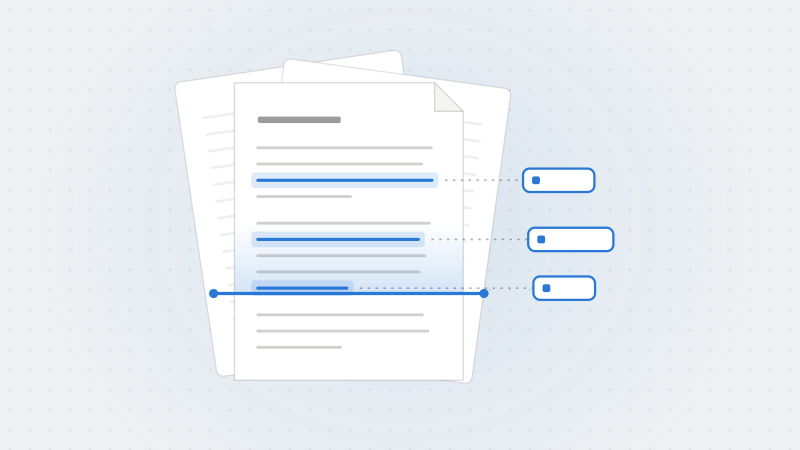
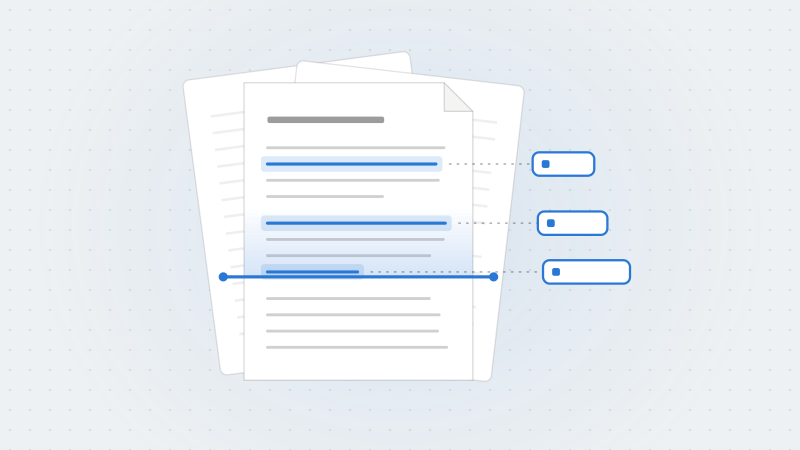
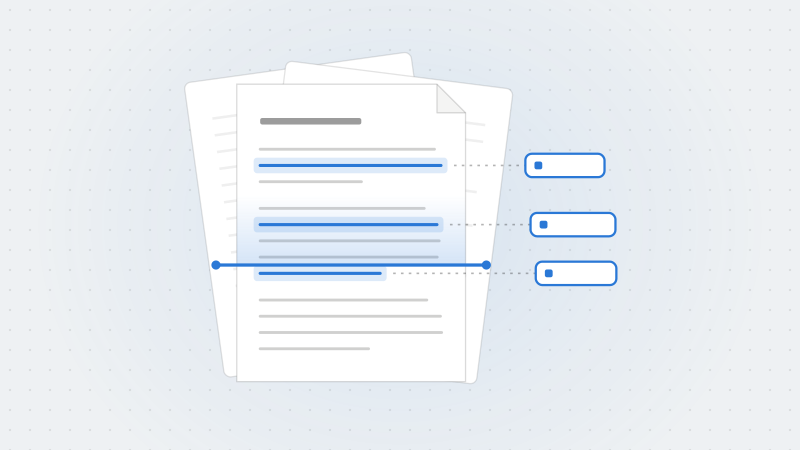
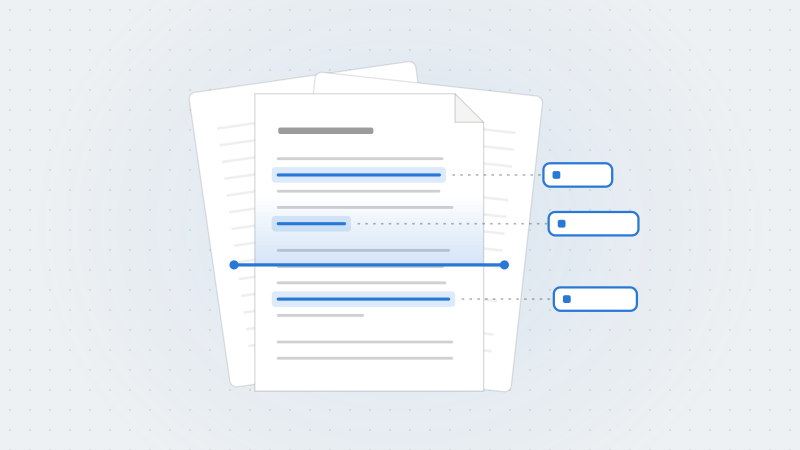
Medlitix uses UiPath’s medical record summarization product to draft summaries of patient records for clinical review1. Long-context language models write each summary with citations to the record, and a clinician validates it1, 2.
Medlitix’s clinicians and software support prior authorization, utilization review, second opinions, and evidence-based appeals for healthcare organizations1. Each of these reviews starts with reading the patient’s record and writing a structured summary, and that is the step the models now draft1.
In February 2026, UiPath named Medlitix as a customer when it launched its healthcare suite at the ViVE 2026 conference5. Average summary review time had fallen from 70 minutes per case to six, a 90% improvement5, 1. The first AI-generated summaries reached 95% accuracy, and the estimated savings from five clinical hires that Medlitix didn’t make were $1.2M1.
Before the deployment
Before the deployment, Medlitix clinicians built each case summary by hand1. They reviewed large volumes of patient documentation, extracted the key clinical information, and wrote the structured summaries that the rest of the work relied on1. The manual process had the following problems:
- Each case required about 70 minutes of effort1.
- As demand grew across specialties, volumes reached hundreds of summaries per day, and manual record analysis became harder to scale1.
- Clinicians spent their time reviewing documentation instead of applying their expertise1.
- Payers and providers paid closer attention to how quickly clinical documentation can be reviewed and turned into information for reimbursement decisions2.
Medlitix’s leadership concluded that automating individual tasks wasn’t enough. The workflow had to be redesigned so that clinicians could focus on judgment and patient outcomes1.
What was built
The solution drafts a structured, cited summary of each incoming record, and a clinician validates it1, 2. Medlitix built it on the UiPath Platform as a governed workflow for document ingestion, analysis, and summary creation1. The work is divided as follows:
- Governed UiPath workflow: Processes incoming records automatically and extracts the relevant data1.
- Long-context language models with UiPath DeepRAG: Read the record and generate a structured draft summary that cites where each point came from1, 2.
- Clinicians: Request a structured output and receive it within minutes, instead of assembling the summary themselves1. They keep control of final validation, and they focus on interpretation and decision making while automation handles the repetitive analysis1.
The citations are meant to cut the time that reviewers spend searching the source documentation, and they leave reviewers a reference trail2.
“Our clinicians are spending more time on direct patient care and less time digging through documentation. The structured output and citations give us confidence in what we’re reviewing”
Technology and architecture
The following table lists the components of the solution.
| Layer | What they used | Role | Source |
|---|---|---|---|
| Language model | Long-context language models | Read whole records and draft the structured summaries | 1 |
| Prompt and context management | UiPath DeepRAG | Works with the models to analyze large clinical documents | 1 |
| Solution platform | UiPath MRS solution | Packaged medical record summarization, built on the UiPath Platform, that runs the governed workflow for ingestion, extraction and summary creation and produces structured, cited summaries | 1, 2, 5 |
Long context lets longer medical records be handled in a single workflow, and faster inference keeps the output consistent1. The solution takes in one kind of data, the patient’s incoming records1. It works with Medlitix’s existing systems, so teams reach the summary reports quickly and keep their workflows the same1.
Product design
UiPath’s documentation describes the product, now called Clinical Evidence, as it works for any customer6. It has the following parts:
- Hosting: The product runs as a UiPath app on UiPath Automation Cloud, and UiPath Orchestrator does the back-end processing6.
- Intake queue: Records or patient packets are dropped into a connected storage location, where they’re picked up automatically and queued6.
- Templates: Each queued record is summarized against a configured template, which fully controls DeepRAG’s output6.
- DeepRAG: Takes documents at run time, retrieves the passages relevant to its task, and synthesizes an answer that can cite the source7. It reads text, images, scanned documents, tables, charts, and handwriting6.
- Clinical review queue: A reviewer approves, rejects, or edits each summary, or leaves feedback for future summaries6. Every claim in a summary links to a specific passage in the source document6.
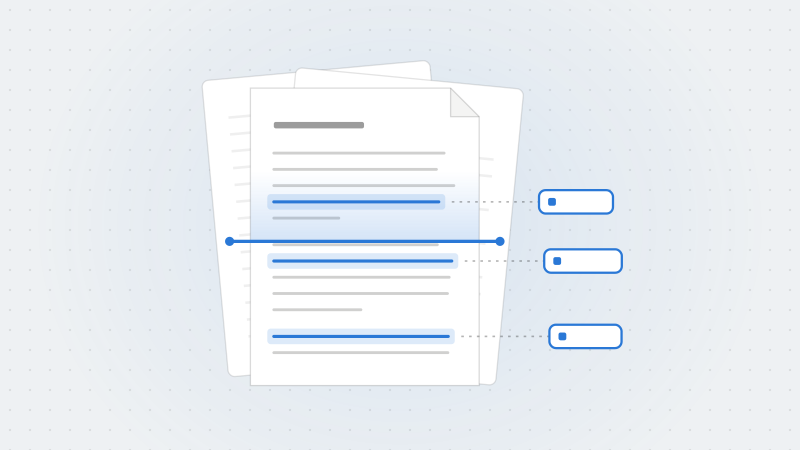
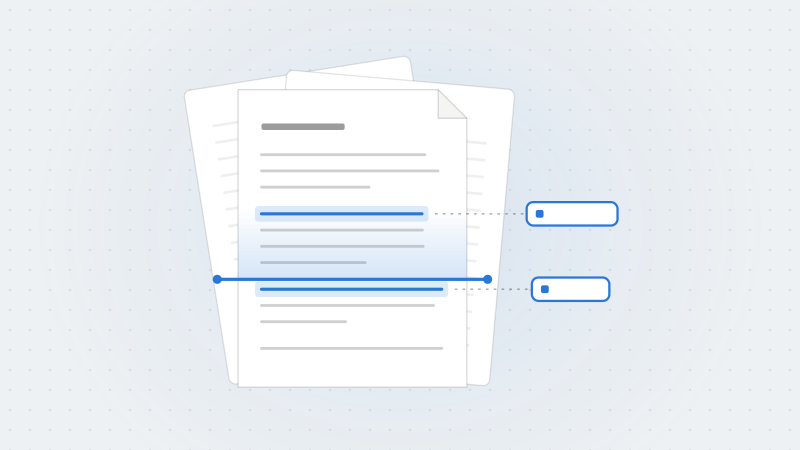
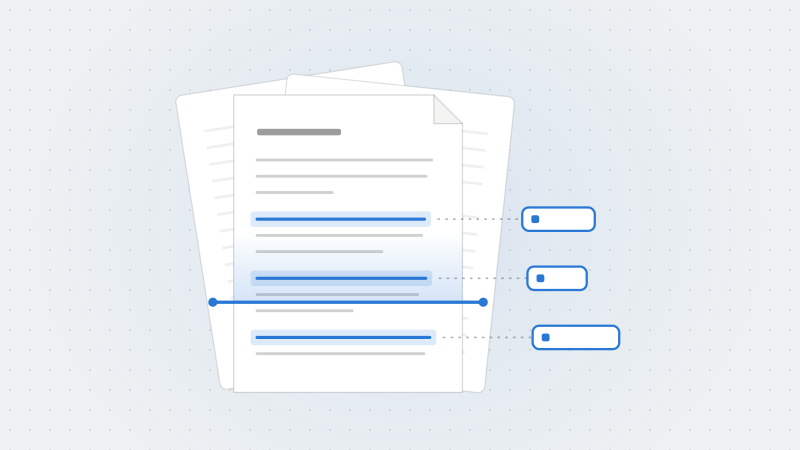
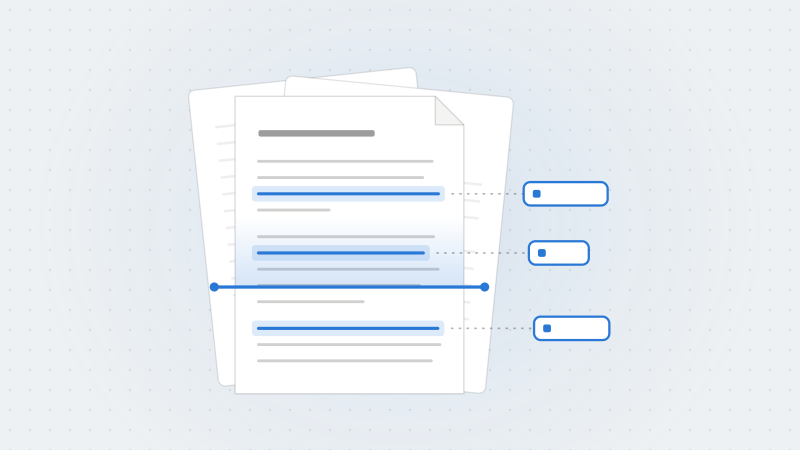
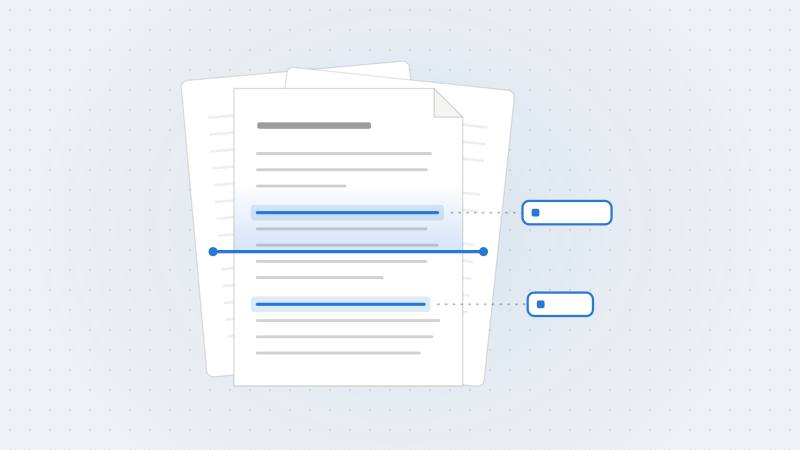
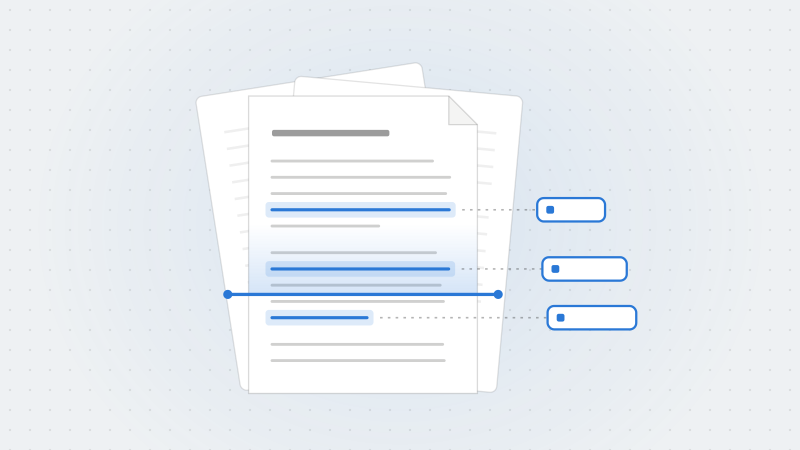
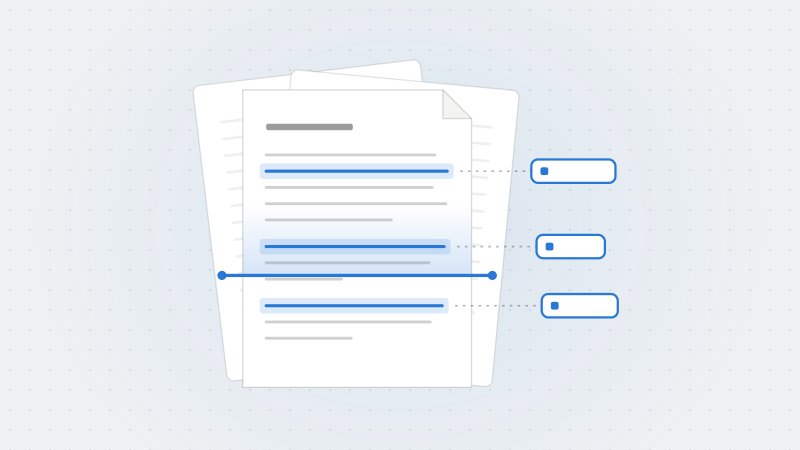
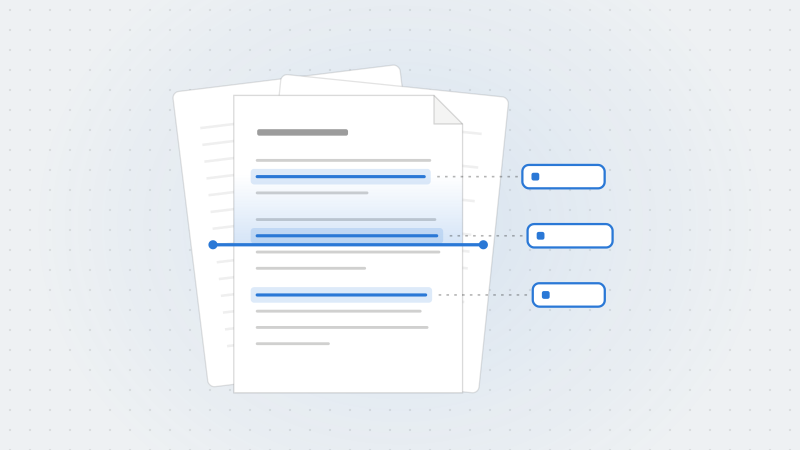
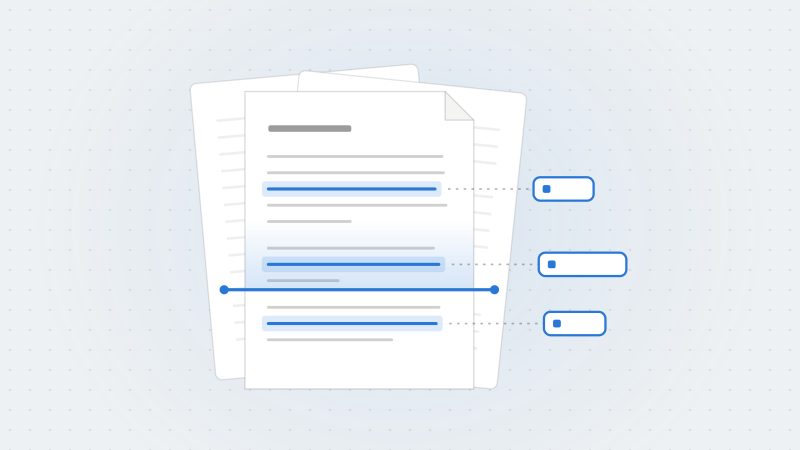
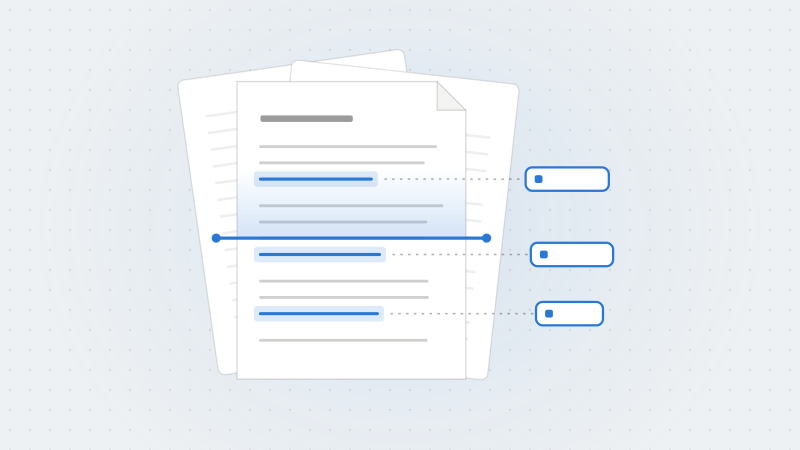
How one case flows through the system
A case starts when its records arrive, and the workflow processes them without anyone starting it1.
Results
The results were made public in February 2026, in UiPath’s launch announcement and in its case study on the deployment5, 1.
| Metric | Before | After | Scope and timeframe | Reported by |
|---|---|---|---|---|
| Clinician time per case summary | About 70 minutes | 6 minutes (90%) | Average per case, since implementation | Medlitix, measured1, 5, 2 |
| Accuracy of initial AI-generated summaries | Not disclosed | 95% | Measure and sample not stated | UiPath, measured1 |
| Savings from avoided hiring | Not disclosed | $1.2M | Five clinical hires avoided, estimate | UiPath, estimated1 |
Two of the metrics need an explanation:
- Clinician time per case summary: Compares about 70 minutes of effort to build a summary by hand with the average time to review a drafted summary since implementation1, 5. Medlitix calls the change a 90% improvement5.
- Savings from avoided hiring: The $1.2M is an estimate of the savings from not adding five clinicians1. The process supports growth without additional headcount1.
Lessons learned
The design takes the reading and writing off the clinician and leaves the judgment with them. Clinicians remain in control of final validation, and the gain comes from turning their work into the review of a draft1. Smith names the structured output and citations as what gives Medlitix confidence in what it reviews2.
The same design sets a limit. Every summary still goes through a clinician, so the work is reviewed, not removed, and the savings can’t exceed the reading and writing that a clinician no longer does1.
Keeping a person on the decision might also become a legal requirement. A Business Intelligence Group profile of Sagility, which runs a comparable tool in prior authorization, notes that state legislatures are passing laws on what can be automated in this work and what requires human involvement4.
The drafts aren’t free of errors. Initial summaries were put at 95% accuracy, which leaves the clinician responsible for catching what the model gets wrong1.
The 90% compares two different tasks. The 70 minutes was the effort of building a summary by hand, and the six minutes is the average time to review an AI draft, so the figure covers the summarization step and not the whole review that follows it1, 5.
The figures come from Medlitix and its vendor, UiPath. They appeared in UiPath’s product launch and its customer story, and IT Brief Australia relayed Smith’s quote from the announcement5, 1, 2.
Case study scorecard
- 90% Less clinician time per case summary1, 5, 2
- 95% Accuracy of initial AI-generated summaries1
- $1.2M Estimated savings from avoiding five clinical hires1
Sources by publication date
- Vendors and partners 5
- Press, academic, and regulators 2
- 3 undated
Build this solution yourself
Analysis
What you need
This deployment depended on the following:
- Records that reach the workflow unattended: The workflow processes incoming records without a person starting each case, at hundreds of summaries a day across specialties1.
- Summaries that cite the record: The citations let a clinician check a draft in minutes instead of rereading the chart2.
- Clinicians who own the validation: You need reviewers who sign off on every draft, because the determination in each case stays with them1.
Reference architecture
Document review and drafting
A document review and drafting solution reads a case's documents against a written standard, precedents, or a list of questions and drafts a review, summary, clause, or report with its sources for an expert to finish. The solution pulls the case's documents, and a language model answers each question from the passages that bear on it, with its source. Fixed logic settles what must not vary, and an expert checks the draft against the sources and makes the decision.
- Source system
- Connector to the source system
- Review and drafting platform (documented in this case study)
- Text recognition
- Document preparation
- Passage index
- Access control
- Questions and templates (documented in this case study)
- Drafting model (documented in this case study)
- Private model endpoint
- Fixed logic
- Review workbench
- Reviewer feedback
- Tests on known cases
A check mark shows a building block that this case study's sources document.
Open the reference architectureOthers who built it
- Citizens Medical Center: Its utilization review nurses start from a summary that Xsolis GenAI Initial Review drafts, and they verify, refine, and finalize it, which saved about five minutes per review in the first version3.
- Sagility: Its Nurse Assist tool extracts diagnoses and treatment details from prior authorization case documents, compares them with clinical guidelines, and recommends a decision that a registered nurse makes4. Madan Moudgal, its chief digital officer, says it can halve a review that takes 30 minutes to an hour4.
In the library
- How Nationwide uses generative AI to summarize claim notes Nationwide
- Merck drafts clinical study reports in days with gen AI Merck & Co.
- AI drafts clinical study reports in minutes at Novo Nordisk Novo Nordisk
- Corona, California speeds building plan review with AI City of Corona
- Denver pre-screens permit applications with CivCheck AI City and County of Denver
- Court strikes down DOGE's ChatGPT screening of NEH grants United States DOGE Service
Cite this case study
Enterprise AI Case Studies. "How Medlitix cut clinical record review to minutes with AI." Updated Nov 18, 2026. https://case-studies.ai/case-studies/document-intelligence/DI-015-medical-record-summarization-medlitix/
@misc{csai-di-015,
  author = {{Enterprise AI Case Studies}},
  title = {{How Medlitix cut clinical record review to minutes with AI}},
  year = {2026},
  note = {Updated 2026-11-18},
  url = {https://case-studies.ai/case-studies/document-intelligence/DI-015-medical-record-summarization-medlitix/}
}Sources
The following reporting, and every passage quoted from it, belongs to its publisher, not to this site. Sources and ownership
- Source 1:
Medlitix achieves 90% faster clinical review with UiPath Solution for medical record summarization
Supporting excerpts (21)
Medlitix achieves 90% faster clinical review with UiPath Solution for medical record summarization
95% accuracy achieved with initial AI-generated summaries
$1.2M estimated savings from avoiding five additional clinical hires
Its technology and clinical expertise support prior authorization, utilization review, second opinions, and evidence-based appeals
As demand grew across specialties, manual medical record analysis became harder to scale.
Clinicians were spending valuable time reviewing documentation instead of applying their expertise.
clinicians reviewed large volumes of patient documentation, extracted key clinical information, and created structured summaries for downstream use.
Each case required about 70 minutes of effort, making it difficult to scale as volumes grew to hundreds of summaries per day across specialties.
Leadership realized they needed to redesign workflows—not just automate tasks—so clinicians could focus on judgment and patient outcomes.
Medlitix implemented medical record summarization built on the UiPath Platform™ to automate document ingestion, analysis, and structured summary creation within a governed workflow.
Incoming records are processed automatically; relevant data is extracted, and draft summaries are generated for clinician review.
Clinicians remain in control of final validation, ensuring clinical accuracy while dramatically reducing manual effort.
long-context language models combined with the UiPath DeepRAG framework analyze large clinical documents and generate structured summaries.
Extended context processing enables longer medical records to be handled in a single workflow, while faster inference speeds deliver consistent, high-quality outputs.
Instead of manually assembling summaries, clinicians request structured outputs and receive results within minutes.
Automation handles repetitive analysis at scale while clinicians focus on interpretation and decision making.
The solution works with Medlitix existing systems.
This lets teams access summary reports quickly and keep their workflows the same.
The result is a faster, more consistent process that supports growth without requiring additional headcount.
Operations scale without adding headcount
Region:North America
- Source 2:
UiPath unveils agentic AI to streamline healthcare admin
Supporting excerpts (9)
UiPath has launched a set of agentic AI products for healthcare providers and payers, focused on administrative work within revenue cycle management.
there is greater scrutiny on how quickly clinical documentation can be reviewed and turned into information payers can use for reimbursement decisions.
The medical records summarisation product converts patient records into shorter, structured summaries with citations.
UiPath says the format reduces time spent searching source documentation and gives reviewers a reference trail.
Medlitix, which has used the product, reported a large reduction in review time after implementation.
we've reduced the average summary review time from 70 minutes to six, a 90 percent improvement.
Our clinicians are spending more time on direct patient care and less time digging through documentation. The structured output and citations give us confidence in what we're reviewing
said Benjamin Smith, Vice President of Technology, Medlitix.
It has not disclosed pricing or availability for the new healthcare suite.
- Source 3:
Citizens Medical Center Reduces Denial Rates by 12% with Xsolis GenAI Initial Review
Supporting excerpts (3)
Citizens Medical Center found that path through Xsolis GenAI Initial Review, a generative AI tool that produces editable clinical summaries.
The tool generates a starting summary, and the UR nurse verifies, refines, and finalizes it.
Version one delivered measurable workflow efficiencies, delivering approximately five minutes of time savings per review.
- Source 4:
Supporting excerpts (7)
The company's Nurse Assist solution extracts relevant data points from case documents, including diagnosis, treatment details, and pre-existing conditions.
It summarizes and structures that information, compares it to clinical guidelines for the specific service being requested, and provides a recommendation. The registered nurse makes the final decision.
A case could take up to an hour, 30 minutes to an hour for it to be addressed in the traditional process
We can cut that by 50 percent.
Madan Moudgal, Chief Digital Officer at Sagility
State entities are passing laws defining what can be automated and what requires human involvement.
the system cannot share PHI-specific data with external models.
- Source 5:
Supporting excerpts (5)
today announced new agentic AI solutions for the healthcare industry for providers and payers at the ViVE 2026 conference.
Converts complex, fragmented medical records into concise, citation-backed summaries
Since implementing the UiPath MRS solution, we've reduced the average summary review time from 70 minutes to six, a 90 percent improvement.
The structured output and citations give us confidence in what we're reviewing,
said Benjamin Smith, Vice President of Technology, medlitix.
- Source 6:
Supporting excerpts (9)
Clinical Evidence (formerly Medical Record Summarization) is a UiPath vertical solution that uses agentic AI to automatically generate structured clinical summaries from patient medical records.
It is delivered as a UiPath App hosted on UiPath Automation Cloud and uses UiPath Orchestrator for back-end processing.
Medical records or patient packets are deposited to a connected storage location, where they are automatically picked up and queued for processing.
Each queued record is summarized in turn: the configured template is applied, and DeepRAG generates a structured clinical summary with inline citations.
each summary enters the Clinical Review queue, where a human reviewer can approve it, reject it, or edit it before approval, or submit feedback to be taken into consideration for future summaries.
Every claim in the AI-generated output is linked to a specific passage in the source document, so reviewers can verify the AI's interpretation against the original record without leaving the application.
It processes multiple content types found in medical records - including text, images, scanned documents, tables, charts, and handwriting.
DeepRAG's output is fully controlled by the template configuration.
Summaries generated, pages summarized, estimated time saved, and review time
- Source 7:
Supporting excerpts (2)
DeepRAG ingests one or more documents provided at runtime and performs semantic retrieval across their contents.
Based on the task you define, it synthesizes relevant information into a coherent response and can optionally include citations that reference the source documents.














Comments
Start the conversation.
Invited members of the library comment here. Sign in to join the conversation.